



Centre Withdraws Fuel Sale Curbs From July One
ECONOMY & POLICY

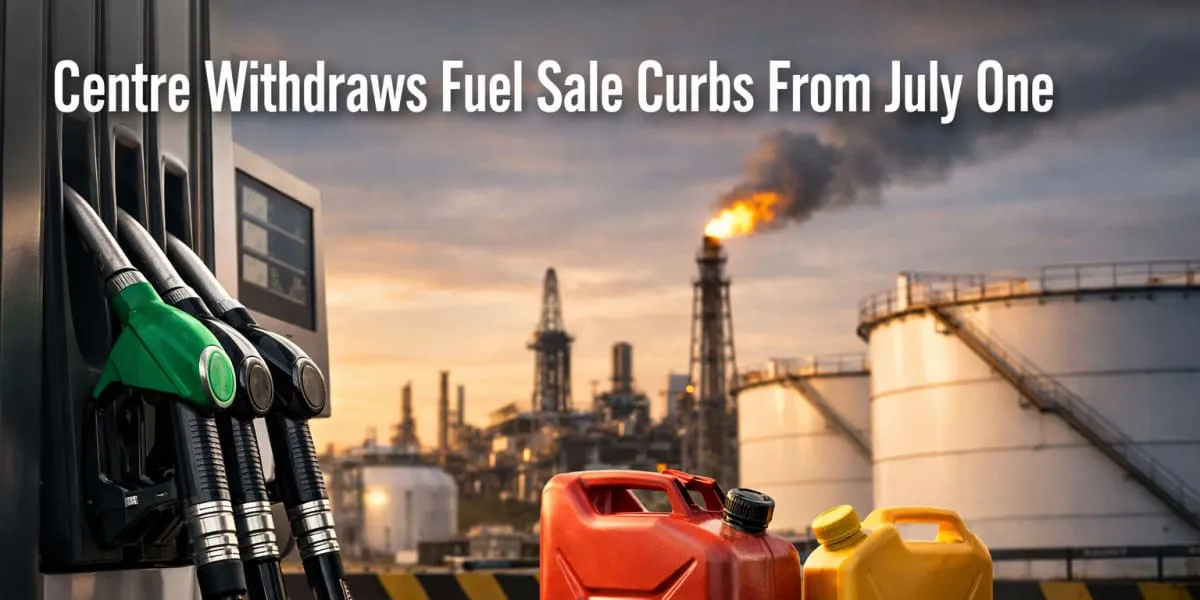
Centre Withdraws Fuel Sale Curbs From July One

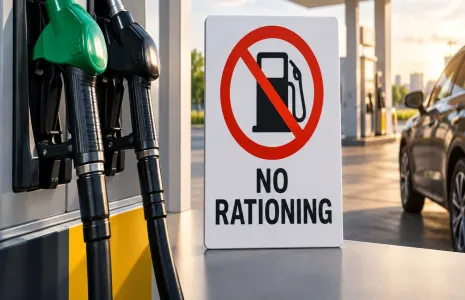
The central government has withdrawn temporary restrictions on the sale of petrol and diesel with effect from one July after determining that emergency measures introduced earlier in June are no longer required. The Ministry of Petroleum and Natural Gas rescinded its 12 June order by issuing a directive on 29 June that annulled limits on retail sales. The decision restores normal retail supply arrangements.

Commercial, industrial and institutional consumers may once again purchase petrol and diesel from retail fuel stations and the 200 litre daily cap on diesel sales to a single vehicle has been removed. The earlier measures had been imposed to ensure equitable distribution and availability of motor spirit and high speed diesel during a period of abnormal retail demand. The ministry said it was satisfied that supplies had returned to normal.

The temporary curbs were introduced after global supply disruptions triggered a surge in retail demand following tensions in West Asia and a wide price gap opened between retail and bulk diesel. In Delhi diesel at retail pumps was priced at Rs 95.20 per litre while bulk diesel cost Rs 134.50 per litre, prompting industries and other bulk users to source fuel from retail outlets. The shift led to spikes in demand and risked shortages for motorists.

Under the 12 June restrictions retail outlets had been instructed to sell diesel only into vehicle fuel tanks or Petroleum and Explosives Safety Organisation (PESO) approved containers and to limit sales per customer, while industrial and commercial buyers were required to procure through their own consumer pumps. The measures were intended to prevent black marketing, hoarding and diversion and to protect uninterrupted availability for retail consumers. They were envisaged for up to 90 days.

The ministry attributed the withdrawal to improved crude oil and fuel supplies from Gulf producers and to the resumption of normal shipping through the Strait of Hormuz, which eased market pressures. The order takes effect from one July after a review that concluded the emergency measures were no longer required in the public interest.

"Join industry leaders at RAHSTA Expo, India's premier platform for roads, highways and traffic infrastructure. Register now to explore innovations, network with experts and shape the future of mobility."

The central government has withdrawn temporary restrictions on the sale of petrol and diesel with effect from one July after determining that emergency measures introduced earlier in June are no longer required. The Ministry of Petroleum and Natural Gas rescinded its 12 June order by issuing a directive on 29 June that annulled limits on retail sales. The decision restores normal retail supply arrangements. Commercial, industrial and institutional consumers may once again purchase petrol and diesel from retail fuel stations and the 200 litre daily cap on diesel sales to a single vehicle has been removed. The earlier measures had been imposed to ensure equitable distribution and availability of motor spirit and high speed diesel during a period of abnormal retail demand. The ministry said it was satisfied that supplies had returned to normal. The temporary curbs were introduced after global supply disruptions triggered a surge in retail demand following tensions in West Asia and a wide price gap opened between retail and bulk diesel. In Delhi diesel at retail pumps was priced at Rs 95.20 per litre while bulk diesel cost Rs 134.50 per litre, prompting industries and other bulk users to source fuel from retail outlets. The shift led to spikes in demand and risked shortages for motorists. Under the 12 June restrictions retail outlets had been instructed to sell diesel only into vehicle fuel tanks or Petroleum and Explosives Safety Organisation (PESO) approved containers and to limit sales per customer, while industrial and commercial buyers were required to procure through their own consumer pumps. The measures were intended to prevent black marketing, hoarding and diversion and to protect uninterrupted availability for retail consumers. They were envisaged for up to 90 days. The ministry attributed the withdrawal to improved crude oil and fuel supplies from Gulf producers and to the resumption of normal shipping through the Strait of Hormuz, which eased market pressures. The order takes effect from one July after a review that concluded the emergency measures were no longer required in the public interest.

Next Story
Infrastructure Urban

ABS Marine Sees CRISIL Credit Rating Upgrade

ABS Marine Services has secured an upgrade to its long term and short term credit ratings from CRISIL, reflecting improved profitability and revenue growth through long term contracts. CRISIL moved the long term rating from BBB+/Stable to A-/Stable and revised the short term rating from A2 to A2+. The action signals strengthened financial metrics and operational resilience. The company benefited from durable client relationships with firms such as ONGC and Schlumberger. The rating decision followed stronger cash flows and an enlarged bank loan facility, which increased from Rs 3,705 million (m..

Next Story
Infrastructure Transport

Project BRAHMANK Marks 16 Years Of Strategic Roads In Arunachal

Project BRAHMANK is marking 16 years of work to establish strategic road and bridge links across Arunachal Pradesh, maintaining and developing 811 kilometres of roads and nearly 86 bridges that range from small culverts to large steel and arch bridges. These transport links are described as critical for ensuring year-round movement of defence personnel, equipment and essential supplies while improving everyday travel for people in remote villages. The project balances national security requirements with regional development by focusing on reliable access in challenging terrain. Notable enginee..

Next Story
Infrastructure Transport

Longleng CSOs Give One Week Ultimatum Over Two-Lane Highway

Civil society organisations (CSOs) in Longleng district have demanded immediate restoration of the deteriorating Changtongya–Longleng two-lane road and sought a detailed status report on the stalled construction within one week. The demand followed a consultative meeting convened under the Phom Peoples' Council (PPC) to discuss welfare and development concerns. PPC president YB Angam Phom said prolonged non-maintenance had caused hardship to commuters and affected transportation, local commerce and the district's development. The meeting urged authorities to undertake immediate restoration a..

Advertisement

Subscribe to Our Newsletter

Get daily newsletters around different themes from Construction world.

STAY CONNECTED

Advertisement

Advertisement

Advertisement