


+
Copper Prices Hit Record Above $13,000 per Tonne
ECONOMY & POLICY

Copper Prices Hit Record Above $13,000 per Tonne

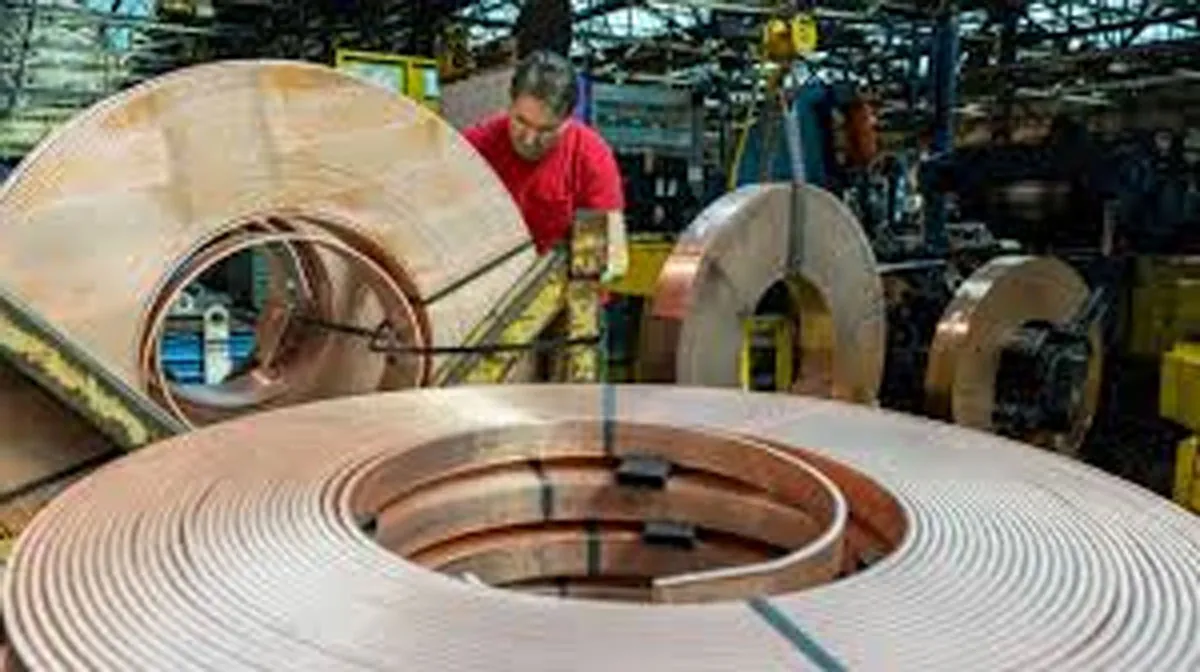
Copper prices have surged to record levels above $13,000 per metric tonne, driven by concerns over supply shortages and strong demand from data centres supporting artificial intelligence and the electric vehicle industry. Prices of the metal, widely used in power cables and construction, rose by around 40 per cent last year amid expectations of sustained demand growth.

Analysts said higher prices are required to encourage significant new mining activity, as many existing copper mines have been operating at or beyond their original design capacity for extended periods. This has increased the risk of disruptions, highlighted by recent incidents at major operations such as the Grasberg mine in Indonesia and labour-related stoppages at the Mantoverde copper and gold mine in northern Chile.

Geopolitical uncertainty has also added to market volatility. Developments in Venezuela and broader concerns over the security of critical mineral supply chains have intensified the global race to secure key resources. Market participants noted that copper and other metals are increasingly being viewed through the lens of supply-chain security in a changing global order.

According to industry estimates, refined copper production is expected to total about 26.9 million tonnes this year, pointing to a supply deficit of roughly 308,000 tonnes. Analysts said investment in the next generation of copper mines will only materialise if prices remain elevated, with breakeven levels for new projects seen above $13,000 per tonne.

Further supporting prices is the prospect of tariffs on copper imports into the United States, which has led traders and producers to ship large volumes of the metal into the country in advance of any potential levies. As a result, copper stocks in US-based warehouses have risen sharply in recent months.

However, some analysts cautioned that current prices may not be fully supported by market fundamentals, noting that significant quantities of copper are held both on and off exchanges in the US, suggesting the global market may have been in surplus last year despite recent supply disruptions.

Copper prices have surged to record levels above $13,000 per metric tonne, driven by concerns over supply shortages and strong demand from data centres supporting artificial intelligence and the electric vehicle industry. Prices of the metal, widely used in power cables and construction, rose by around 40 per cent last year amid expectations of sustained demand growth. Analysts said higher prices are required to encourage significant new mining activity, as many existing copper mines have been operating at or beyond their original design capacity for extended periods. This has increased the risk of disruptions, highlighted by recent incidents at major operations such as the Grasberg mine in Indonesia and labour-related stoppages at the Mantoverde copper and gold mine in northern Chile. Geopolitical uncertainty has also added to market volatility. Developments in Venezuela and broader concerns over the security of critical mineral supply chains have intensified the global race to secure key resources. Market participants noted that copper and other metals are increasingly being viewed through the lens of supply-chain security in a changing global order. According to industry estimates, refined copper production is expected to total about 26.9 million tonnes this year, pointing to a supply deficit of roughly 308,000 tonnes. Analysts said investment in the next generation of copper mines will only materialise if prices remain elevated, with breakeven levels for new projects seen above $13,000 per tonne. Further supporting prices is the prospect of tariffs on copper imports into the United States, which has led traders and producers to ship large volumes of the metal into the country in advance of any potential levies. As a result, copper stocks in US-based warehouses have risen sharply in recent months. However, some analysts cautioned that current prices may not be fully supported by market fundamentals, noting that significant quantities of copper are held both on and off exchanges in the US, suggesting the global market may have been in surplus last year despite recent supply disruptions.

Next Story
Infrastructure Transport

Second Mountain Tunnel Breakthrough in Palghar Advances High Speed Rail

The Mumbai-Ahmedabad high speed rail (MAHSR) project reached a milestone with the breakthrough of a mountain tunnel in Palghar, Maharashtra. Mountain tunnel MT-six measures 454 metres long and 14.4 metres wide and will accommodate up and down tracks. The breakthrough follows MT-five near Saphale on second January 2026 and the MT-six excavation was completed from both ends using the New Austrian Tunnelling Method. The ministry reported that the tunnelling was completed within 12 months. The New Austrian Tunnelling Method is favoured for its flexibility in complex geology and irregular tunnel s..

Next Story
Infrastructure Transport

Modi Government Pushes Atmanirbhar Container Drive With BCSL MoU

The Union Government advanced a plan to create an integrated, domestically anchored container ecosystem with the signing of a Memorandum of Understanding to establish the Bharat Container Shipping Line (BCSL). The MoU was signed by key agencies including the Shipping Corporation of India and Container Corporation of India alongside major port authorities and Sagarmala Finance Corporation Limited under the Ministry of Ports, Shipping and Waterways, in the presence of senior ministers. The initiative aligns with the Container Manufacturing Assistance Scheme announced in the Union Budget 2026–2..

Next Story
Infrastructure Urban

Ministry Reports Gains In Mobility For Marginalised Communities

The Ministry of Social Justice and Empowerment is implementing skill development, education and rehabilitation schemes to promote socio-economic mobility and sustainable livelihoods for marginalised and disadvantaged communities across the country. Programmes target Scheduled Castes, Other Backward Classes, Economically Weaker Sections, De-notified Tribes and Safai Karamcharis through specialised implementing corporations and empanelled training institutes. Pradhan Mantri Dakshata Aur Kushalta Sampann Hitgrahi Yojana, or PM-DAKSH, provided skill training and placement support through the Nati..

Advertisement

Subscribe to Our Newsletter

Get daily newsletters around different themes from Construction world.

STAY CONNECTED

Advertisement

Advertisement

Advertisement

Open In App