DDWS Hosts Third Sujal Gram Samvad in Local Languages
ECONOMY & POLICY

DDWS Hosts Third Sujal Gram Samvad in Local Languages

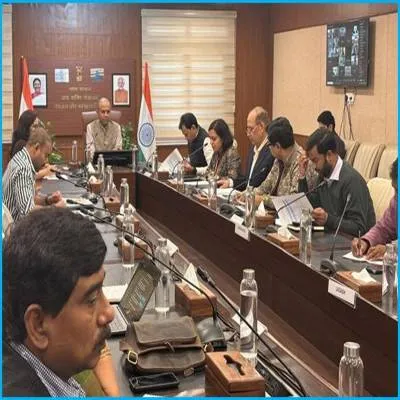
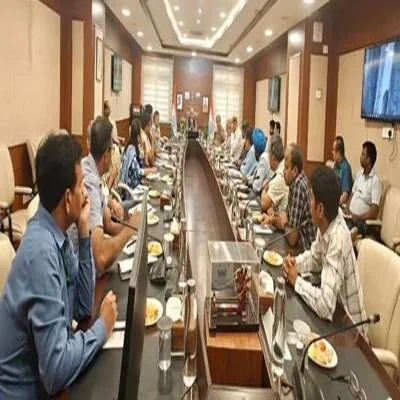
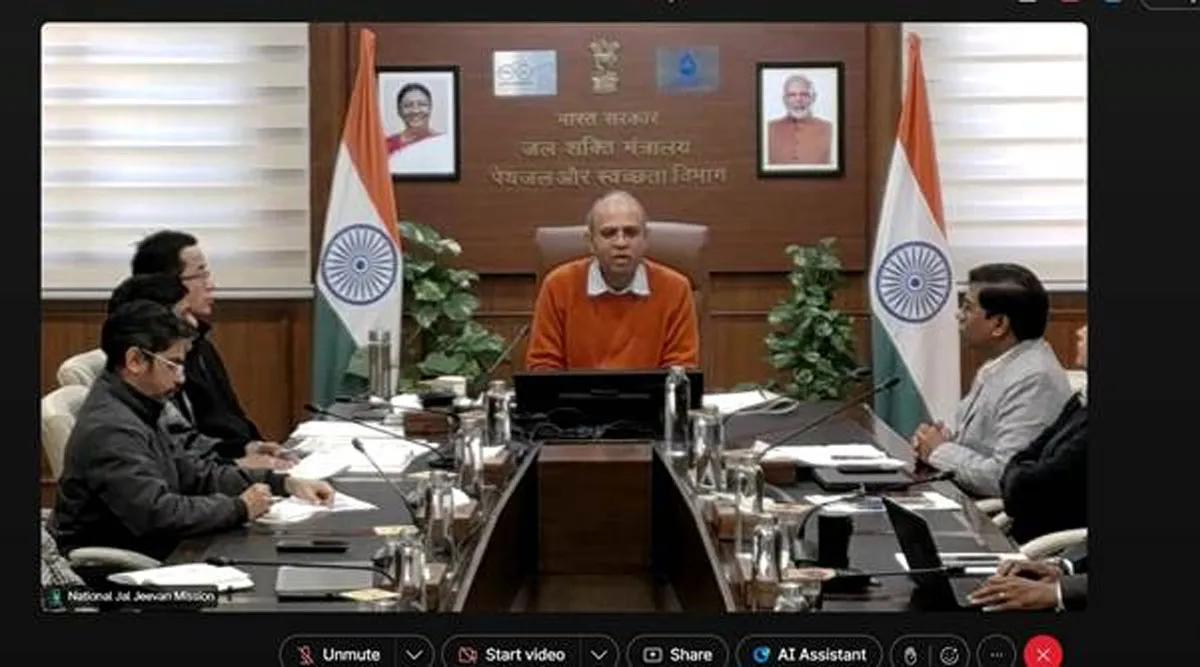
The Department of Drinking Water & Sanitation (Department of Drinking Water & Sanitation), Ministry of Jal Shakti, recently organised the third edition of ‘Sujal Gram Samvad’, reinforcing participatory water governance and community-led implementation of the Jal Jeevan Mission.

The virtual interaction connected Gram Panchayat representatives and village communities from eight Gram Panchayat headquarter villages across eight States and Union Territories. Conducted in local languages and dialects, the programme enabled direct dialogue among villagers, officials and mission leaders, strengthening Jan Bhagidari and peer learning. More than 3,000 participants joined the sessions, with wider community participation at village levels.

Secretary, DDWS, Shri Ashok K.K. Meena, highlighted the constitutional role of Gram Panchayats in drinking water supply and stressed sustained community engagement. He emphasised initiatives such as Jal Arpan, Lok Jal Utsav and Jal Seva Aankalan to ensure transparency, accountability and long-term sustainability of rural water systems.

AS & MD, National Jal Jeevan Mission, Shri Kamal Kishore Soan, noted that Sujal Gram Samvad provides a platform to hear grassroots experiences directly in local languages. He underlined that the Mission is a people’s movement, requiring active participation for source sustainability, system maintenance and reliable service delivery over the long term.

Village-level interactions showcased improvements in health, reduced drudgery for women, regular water quality testing and community-managed operations. Villages reported responsible water use, monthly user charges ranging from Rs 50 to Rs 100 per household, women-led water quality monitoring using field testing kits, and initiatives such as recharge pits, rainwater harvesting and protection of traditional water bodies. Several villages highlighted 24×7 water supply, metering, SCADA-based monitoring and reinvestment of surplus funds to expand infrastructure.

The third edition strengthened feedback between the Centre and grassroots institutions, reaffirming the government’s resolve to make rural drinking water systems sustainable, people-centric and future-ready under the Jal Jeevan Mission.

The Department of Drinking Water & Sanitation (Department of Drinking Water & Sanitation), Ministry of Jal Shakti, recently organised the third edition of ‘Sujal Gram Samvad’, reinforcing participatory water governance and community-led implementation of the Jal Jeevan Mission. The virtual interaction connected Gram Panchayat representatives and village communities from eight Gram Panchayat headquarter villages across eight States and Union Territories. Conducted in local languages and dialects, the programme enabled direct dialogue among villagers, officials and mission leaders, strengthening Jan Bhagidari and peer learning. More than 3,000 participants joined the sessions, with wider community participation at village levels. Secretary, DDWS, Shri Ashok K.K. Meena, highlighted the constitutional role of Gram Panchayats in drinking water supply and stressed sustained community engagement. He emphasised initiatives such as Jal Arpan, Lok Jal Utsav and Jal Seva Aankalan to ensure transparency, accountability and long-term sustainability of rural water systems. AS & MD, National Jal Jeevan Mission, Shri Kamal Kishore Soan, noted that Sujal Gram Samvad provides a platform to hear grassroots experiences directly in local languages. He underlined that the Mission is a people’s movement, requiring active participation for source sustainability, system maintenance and reliable service delivery over the long term. Village-level interactions showcased improvements in health, reduced drudgery for women, regular water quality testing and community-managed operations. Villages reported responsible water use, monthly user charges ranging from Rs 50 to Rs 100 per household, women-led water quality monitoring using field testing kits, and initiatives such as recharge pits, rainwater harvesting and protection of traditional water bodies. Several villages highlighted 24×7 water supply, metering, SCADA-based monitoring and reinvestment of surplus funds to expand infrastructure. The third edition strengthened feedback between the Centre and grassroots institutions, reaffirming the government’s resolve to make rural drinking water systems sustainable, people-centric and future-ready under the Jal Jeevan Mission.

Next Story
Infrastructure Urban

9th India–Myanmar Joint Trade Committee Meeting Held in Nay Pyi Taw

The ninth meeting of the India–Myanmar Joint Trade Committee (JTC) was held in Nay Pyi Taw, Myanmar, with a focus on strengthening bilateral trade and deepening economic cooperation. The meeting was co-chaired by U Minn Minn, Deputy Minister, Ministry of Commerce of the Republic of the Union of Myanmar, and Nitin Kumar Yadav, Additional Secretary, Department of Commerce, Ministry of Commerce and Industry, Government of India.Representatives from relevant ministries and stakeholder departments from both countries participated in the discussions. The meeting covered a broad range of issues aim..

Next Story
Infrastructure Urban

DGCA Launches Digital Pilot Licence Services for ATPL

The Directorate General of Civil Aviation (DGCA) has launched Electronic Personnel Licence (EPL) services for the Airline Transport Pilot Licence (ATPL), marking a significant step in the regulator’s ongoing digital transformation of aviation licensing in India. The service was inaugurated at an event held at the DGCA headquarters.Inaugurating the EPL ATPL service, Director General of Civil Aviation Faiz Ahmed Kidwai said the initiative represents a major advancement in strengthening India’s civil aviation regulatory framework through secure, modern and future-ready digital systems. He con..

Next Story
Infrastructure Urban

Cabinet Extends Atal Pension Yojana and Support Till 2030–31

The Union Cabinet, chaired by Prime Minister Narendra Modi, has approved the continuation of the Atal Pension Yojana (APY) up to the financial year 2030–31, along with the extension of government funding support for promotional and developmental activities and gap funding to ensure the scheme’s long-term sustainability.Under the approved framework, APY will continue to receive government support aimed at expanding its reach among unorganised and low-income workers. This includes funding for awareness campaigns, capacity-building initiatives and other developmental activities to strengthen ..

Advertisement

Subscribe to Our Newsletter

Get daily newsletters around different themes from Construction world.

STAY CONNECTED

Advertisement

Advertisement

Advertisement

Advertisement

Open In App