Delhi Raises Capital Spend to Rs 302.5 Billion in FY26
ECONOMY & POLICY

Delhi Raises Capital Spend to Rs 302.5 Billion in FY26

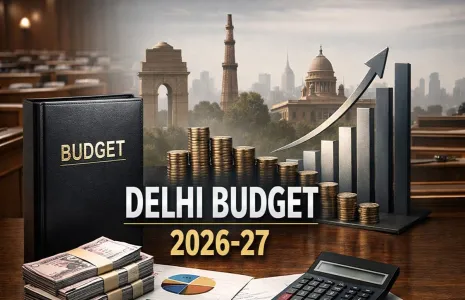
The Delhi government has revised its spending plans for 2025–26, increasing capital expenditure to fast-track key projects across transport, education, urban development and river rejuvenation.

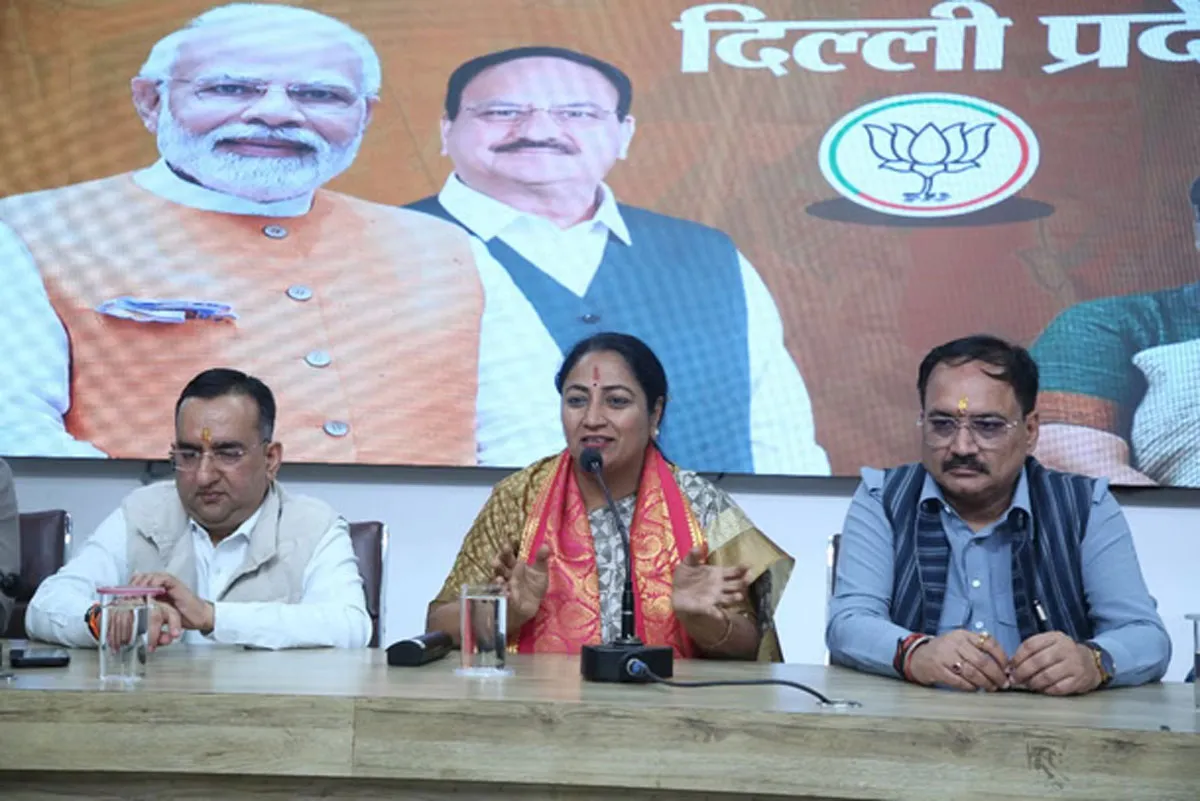
Capital outlay has been raised from Rs 281.15 billion in the original Budget Estimates to Rs 302.48 billion under the Revised Estimates, signalling a stronger focus on long-term infrastructure creation. Chief Minister Rekha Gupta, who also holds the finance portfolio, presented the supplementary demands for grants in the Delhi Assembly, which were approved through a voice vote.

The revisions come months after Gupta presented her maiden budget for 2025–26 in March, shortly after assuming office. While the overall allocation for schemes, programmes and projects has been marginally reduced from Rs 593.0 billion to Rs 578.5 billion, several priority sectors have received significant increases.

Spending on transport, including roads and bridges, has been sharply increased from Rs 129.52 billion to Rs 160.24 billion. Allocations for education have risen from Rs 192.91 billion to Rs 207.02 billion, taking the sector’s share to 21 per cent of Delhi’s Rs 1 trillion budget.

Housing and urban development has also seen higher support, with revised estimates climbing to Rs 117.54 billion. Funding for Delhi Metro Rail Corporation has nearly doubled, rising by Rs 21.17 billion to Rs 50.47 billion.

The Municipal Corporation of Delhi has received an additional Rs 10.31 billion, while allocations for the Delhi Jal Board and the Delhi Transport Corporation have also been enhanced through higher loans and grants.

Several specific heads have been strengthened, including road development, land and flat purchases for universities, and power subsidies, which now stand at Rs 40.0 billion. Funds have also been earmarked to clear legacy liabilities related to the Eastern and Western Peripheral Expressways.

The government’s contribution to the Yamuna Action Plan has nearly tripled, funding for unauthorised colonies has been increased, and additional allocations have been approved to complete the long-pending Barapullah Phase III corridor and settle outstanding tuition fee reimbursements under the Right to Education Act.

The Delhi government has revised its spending plans for 2025–26, increasing capital expenditure to fast-track key projects across transport, education, urban development and river rejuvenation. Capital outlay has been raised from Rs 281.15 billion in the original Budget Estimates to Rs 302.48 billion under the Revised Estimates, signalling a stronger focus on long-term infrastructure creation. Chief Minister Rekha Gupta, who also holds the finance portfolio, presented the supplementary demands for grants in the Delhi Assembly, which were approved through a voice vote. The revisions come months after Gupta presented her maiden budget for 2025–26 in March, shortly after assuming office. While the overall allocation for schemes, programmes and projects has been marginally reduced from Rs 593.0 billion to Rs 578.5 billion, several priority sectors have received significant increases. Spending on transport, including roads and bridges, has been sharply increased from Rs 129.52 billion to Rs 160.24 billion. Allocations for education have risen from Rs 192.91 billion to Rs 207.02 billion, taking the sector’s share to 21 per cent of Delhi’s Rs 1 trillion budget. Housing and urban development has also seen higher support, with revised estimates climbing to Rs 117.54 billion. Funding for Delhi Metro Rail Corporation has nearly doubled, rising by Rs 21.17 billion to Rs 50.47 billion. The Municipal Corporation of Delhi has received an additional Rs 10.31 billion, while allocations for the Delhi Jal Board and the Delhi Transport Corporation have also been enhanced through higher loans and grants. Several specific heads have been strengthened, including road development, land and flat purchases for universities, and power subsidies, which now stand at Rs 40.0 billion. Funds have also been earmarked to clear legacy liabilities related to the Eastern and Western Peripheral Expressways. The government’s contribution to the Yamuna Action Plan has nearly tripled, funding for unauthorised colonies has been increased, and additional allocations have been approved to complete the long-pending Barapullah Phase III corridor and settle outstanding tuition fee reimbursements under the Right to Education Act.

Next Story
Building Material

Industry Bodies Call for Wider Use of Cement Co-Processing

Leading industry organisations have called for stronger policy support to accelerate the adoption of cement industry co-processing as a sustainable solution for managing non-recyclable and non-reusable waste. In a joint statement, bodies including the Global Cement and Concrete Association, European Composites Industry Association, International Solid Waste Association – Africa, Mission Possible Partnership and the Global Waste-to-Energy Research and Technology Council highlighted the role co-processing can play in addressing the growing global waste challenge.Co-processing enables the use o..

Next Story
Resources

German Chancellor Friedrich Merz Visits Bosch India Campus

Friedrich Merz, Federal Chancellor of the Federal Republic of Germany, visited the Bosch campus at Adugodi, Bengaluru, as part of his official India trip, underscoring the strong and long-standing partnership between India and Germany. The delegation was hosted by Guruprasad Mudlapur, President of the Bosch Group in India and Managing Director, Bosch Limited, at the company’s Indian headquarters.During the visit, the Chancellor was briefed on key innovations developed by Bosch India, reflecting the country’s growing role as a global hub for technology and engineering. “We feel honoured t..

Next Story
Infrastructure Transport

Odisha To Get Six New Amrit Bharat Express Trains

Indian Railways is set to significantly expand the footprint of the Amrit Bharat Express in Odisha with the introduction of six new services that will pass through several major stations across the state. With this addition, the total number of Amrit Bharat Express trains operating through Odisha will rise to seven. At present, Odisha is served by a single Amrit Bharat Express on the Berhampur–Udhna (Surat) route. The East Coast Railway said the newly introduced non-air-conditioned sleeper trains are designed to improve passenger comfort through modern LHB coaches, enhanced seating layouts ..

Advertisement

Subscribe to Our Newsletter

Get daily newsletters around different themes from Construction world.

STAY CONNECTED

Advertisement

Advertisement

Advertisement

Advertisement

Open In App