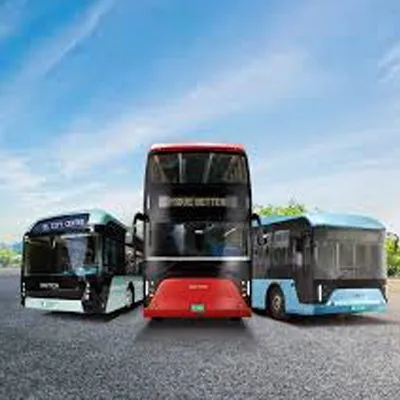

Delhi Seeks 3,330 More E-Buses Under PM E-DRIVE
ECONOMY & POLICY

Delhi Seeks 3,330 More E-Buses Under PM E-DRIVE

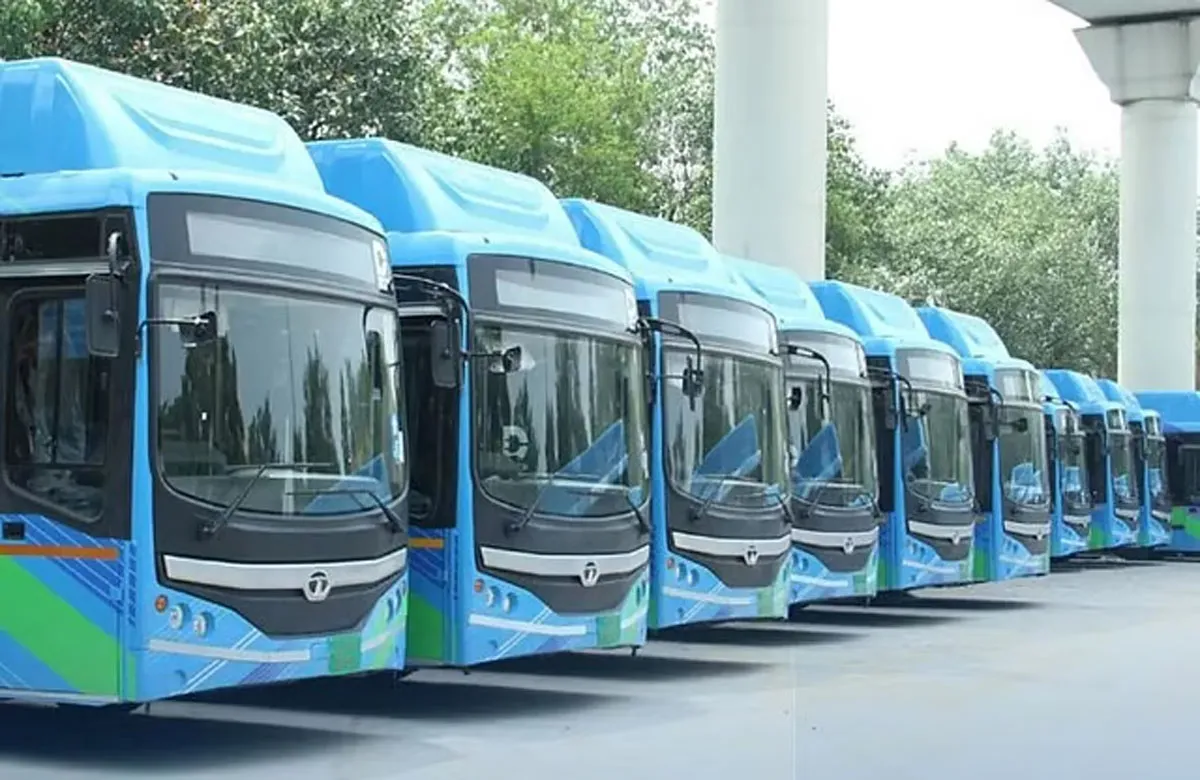
The Delhi government’s Transport Department has sent a proposal to Convergence Energy Services Limited (CESL) for the immediate procurement of 3,330 additional electric buses to accelerate the city’s transition to clean public transport and curb air pollution.

Chief Minister Rekha Gupta said clean air and affordable, modern mobility are among the government’s top priorities. Following a high-level meeting with CESL, Delhi has proposed an enhanced allocation under Phase II of the PM E-DRIVE Scheme.

After reassessing operational needs, the Transport Department has sought 3,330 low-floor, air-conditioned electric buses—500 buses of 7 metres, 2,330 buses of 9 metres and 500 buses of 12 metres. The 7-metre buses will cater to narrow streets and last-mile connectivity, the 9-metre buses will serve smaller roads and feeder routes, while the 12-metre buses will operate on main and high-density corridors.

Gupta said the Centre and the Ministry of Heavy Industries have been requested to include these buses—over and above the already approved 2,800—under the subsidy framework. She added that the Delhi government is prepared to bear costs arising from any technical issues to avoid delays. The expanded fleet is expected to reduce private vehicle use, cut emissions and improve safety and comfort, particularly for women and senior citizens.

Delhi currently operates 5,336 government buses, including 3,535 electric buses. By March, the number of e-buses on city roads is expected to exceed 5,000. With 2,800 buses under Phase I and the proposed 3,330 under Phase II, the total fleet would rise to 13,760 buses. The PM E-DRIVE scheme has an outlay of Rs 109 billion for 2024–26 to promote electric mobility and cleaner air.

The Delhi government’s Transport Department has sent a proposal to Convergence Energy Services Limited (CESL) for the immediate procurement of 3,330 additional electric buses to accelerate the city’s transition to clean public transport and curb air pollution. Chief Minister Rekha Gupta said clean air and affordable, modern mobility are among the government’s top priorities. Following a high-level meeting with CESL, Delhi has proposed an enhanced allocation under Phase II of the PM E-DRIVE Scheme. After reassessing operational needs, the Transport Department has sought 3,330 low-floor, air-conditioned electric buses—500 buses of 7 metres, 2,330 buses of 9 metres and 500 buses of 12 metres. The 7-metre buses will cater to narrow streets and last-mile connectivity, the 9-metre buses will serve smaller roads and feeder routes, while the 12-metre buses will operate on main and high-density corridors. Gupta said the Centre and the Ministry of Heavy Industries have been requested to include these buses—over and above the already approved 2,800—under the subsidy framework. She added that the Delhi government is prepared to bear costs arising from any technical issues to avoid delays. The expanded fleet is expected to reduce private vehicle use, cut emissions and improve safety and comfort, particularly for women and senior citizens. Delhi currently operates 5,336 government buses, including 3,535 electric buses. By March, the number of e-buses on city roads is expected to exceed 5,000. With 2,800 buses under Phase I and the proposed 3,330 under Phase II, the total fleet would rise to 13,760 buses. The PM E-DRIVE scheme has an outlay of Rs 109 billion for 2024–26 to promote electric mobility and cleaner air.

Next Story
Infrastructure Energy

ONGC Caps Mori-5 Well in Five Days After Blowout

Oil and Natural Gas Corporation Limited (ONGC) has successfully established well control at the Mori-5 well, completing the capping operation within a record five days. The achievement underscores ONGC’s strong blowout response capability and operational discipline in managing critical field incidents.The blowout occurred on 5 January 2026 during service operations at the well being carried out by PEC contractor M/s Deep Industries Limited. ONGC immediately activated its in-house Crisis Management framework and mobilised specialised manpower and equipment to ensure rapid, safe and controlled..

Next Story
Infrastructure Urban

NIIT MTS Acquires SweetRush for Up to $26 Million

NIIT Learning Systems Limited, through its NIIT Managed Training Services (NIIT MTS) arm, has recently acquired 100 per cent of US-based SweetRush, Inc for an aggregate consideration of up to USD 26 million. The transaction was completed via NIIT MTS’ wholly owned subsidiary, NIIT (USA), Inc., and includes performance-linked earnouts over the next five years, subject to customary adjustments.Headquartered in San Francisco, SweetRush was founded in 2001 by Arturo Schwartzberg and Andrei Hedstrom. The company employs over 100 professionals, supported by an extended network of learning experts ..

Next Story
Infrastructure Urban

Lemon Tree–Fleur Restructuring to Create Two Focused Platforms

Lemon Tree Hotels Limited and Fleur Hotels Limited have recently announced that their Boards have approved a Composite Scheme of Arrangement to simplify group structure, sharpen strategic focus and unlock long-term shareholder value, subject to regulatory and shareholder approvals.The reorganisation will result in two distinct yet complementary platforms. Lemon Tree Hotels will operate as a pure-play, asset-light hotel management and brand platform, while Fleur Hotels, a subsidiary of Lemon Tree, will emerge as a large-scale hotel ownership and development platform with a strong growth pipelin..

Advertisement

Subscribe to Our Newsletter

Get daily newsletters around different themes from Construction world.

STAY CONNECTED

Advertisement

Advertisement

Advertisement

Advertisement

Open In App