Drivn And Prasanna Purple Deploy 100 Electric Buses
ECONOMY & POLICY

Drivn And Prasanna Purple Deploy 100 Electric Buses

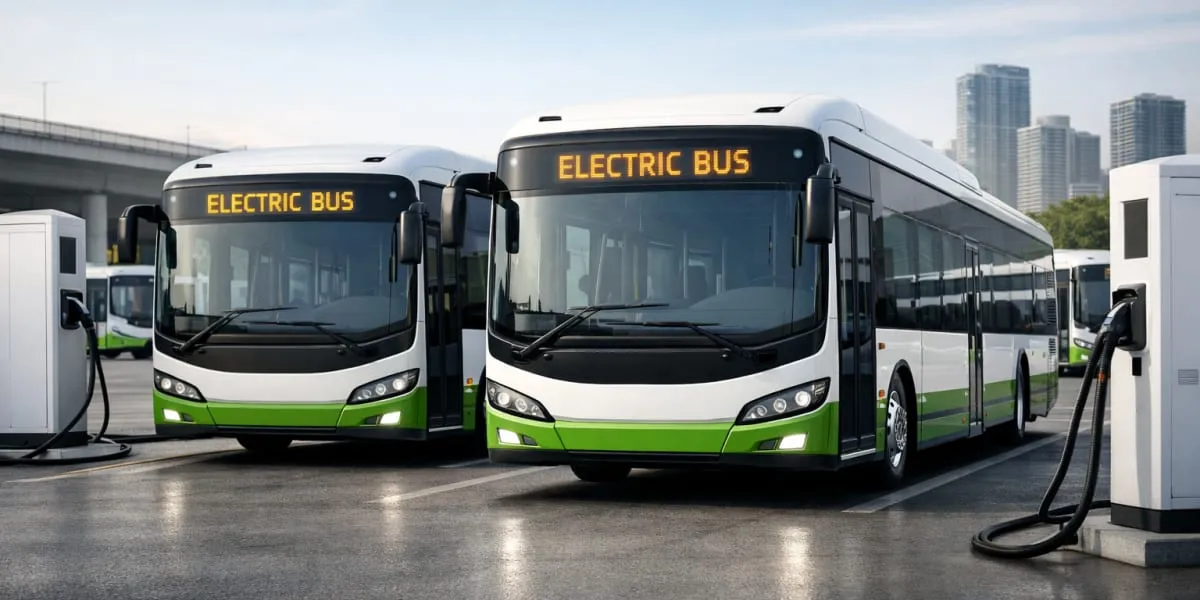
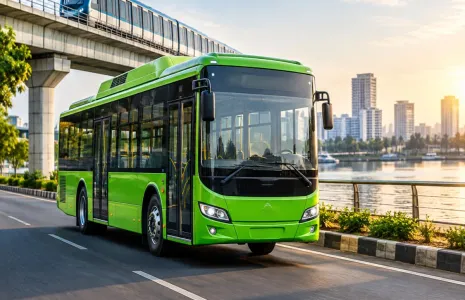
Drivn and Prasanna Purple have deployed 100 electric buses as part of a joint initiative to expand zero emission public transport services. The deployment marks a significant addition to their combined fleet and is intended to accelerate the shift away from diesel vehicles in urban corridors. The companies outlined plans to integrate the buses across multiple routes to improve service frequency and passenger capacity.

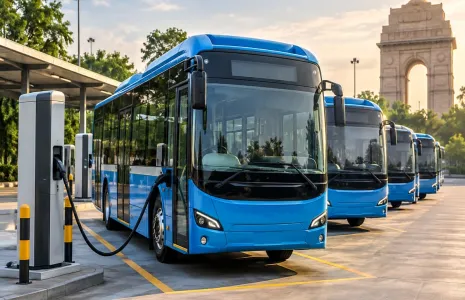
The buses are expected to operate on high demand intra city routes and to be supported by dedicated charging infrastructure installed at depots. The initiative forms part of a broader corporate strategy to reduce greenhouse gas emissions and operating costs associated with conventional fuel. Operators will adopt data driven fleet management to optimise route scheduling and energy use.

The deployment also includes measures for driver training and predictive maintenance to improve vehicle uptime and passenger safety. The firms noted that lifecycle cost benefits and lower maintenance requirements underpin the economic case for electric buses. Stakeholders anticipate improvements in air quality and noise reduction in the areas served.

Regulatory incentives and favourable policy frameworks were cited as enabling factors for accelerated electrification of public transport. Industry analysts said the move aligns with national aims to increase the share of electric vehicles in urban mobility. The partners committed to monitor performance and report operational metrics to inform future scale up decisions. The successful rollout could encourage additional operators to transition to electric fleets.

Planners will evaluate battery performance charging turnaround times and total cost of ownership to refine deployment models. Community engagement and accessibility audits are planned to ensure services meet commuter needs and to address first and last mile connectivity challenges. The programme will be reviewed periodically with metrics shared with municipal authorities to support wider transport decarbonisation objectives. Future scale up will be informed by operational data.

Drivn and Prasanna Purple have deployed 100 electric buses as part of a joint initiative to expand zero emission public transport services. The deployment marks a significant addition to their combined fleet and is intended to accelerate the shift away from diesel vehicles in urban corridors. The companies outlined plans to integrate the buses across multiple routes to improve service frequency and passenger capacity. The buses are expected to operate on high demand intra city routes and to be supported by dedicated charging infrastructure installed at depots. The initiative forms part of a broader corporate strategy to reduce greenhouse gas emissions and operating costs associated with conventional fuel. Operators will adopt data driven fleet management to optimise route scheduling and energy use. The deployment also includes measures for driver training and predictive maintenance to improve vehicle uptime and passenger safety. The firms noted that lifecycle cost benefits and lower maintenance requirements underpin the economic case for electric buses. Stakeholders anticipate improvements in air quality and noise reduction in the areas served. Regulatory incentives and favourable policy frameworks were cited as enabling factors for accelerated electrification of public transport. Industry analysts said the move aligns with national aims to increase the share of electric vehicles in urban mobility. The partners committed to monitor performance and report operational metrics to inform future scale up decisions. The successful rollout could encourage additional operators to transition to electric fleets. Planners will evaluate battery performance charging turnaround times and total cost of ownership to refine deployment models. Community engagement and accessibility audits are planned to ensure services meet commuter needs and to address first and last mile connectivity challenges. The programme will be reviewed periodically with metrics shared with municipal authorities to support wider transport decarbonisation objectives. Future scale up will be informed by operational data.

Next Story
Real Estate

We will continue to invest in integrated commercial destinations: Amrita Gupta

Amrita Gupta, Director, Manglam Group and CEO, Manglam Spa and Resorts, speaks on how projects like Westin Jaipur Resort and Sheraton Jaipur are strengthening Manglam Group's integrated real estate and hospitality strategy.Manglam Group has announced a Rs 1,000 crore hospitality expansion in Rajasthan—what strategic vision is driving this next phase of growth?Hospitality has emerged as a defining pillar of Manglam Group’s long-term growth strategy, underpinned by a vision of creating destination-led experiences that transcend conventional hospitality. The genesis of this journey was The We..

Next Story
Infrastructure Energy

Batliboi Wins Rs 520 Mn Contract For Solar Cell Pollution Controls

Batliboi Limited has secured a major contract from SAEL Industries Limited to supply pollution control systems for a new solar cell manufacturing facility at Jewar in Uttar Pradesh. The order instructs Batliboi Limited's EEG Division to design, engineer, supply, install and commission a PEX system to support SAEL Industries Limited's six GW solar cell line. The contract is domestic in origin and was submitted to the stock exchanges under regulatory disclosure requirements. The contract value is Rs 520 mn, reflecting a substantial order for environmental control equipment for the manufacturing ..

Next Story
Infrastructure Urban

Delhi Approves PARIVARTAN Scheme To Replace Old Trucks And Buses

The Delhi government has approved the Programme for Accelerated Renewal and Incentivisation of Vehicle Assets for Reducing Transport Air Pollution and Network Emissions (PARIVARTAN) to cut transport-related emissions in the national capital. The scheme, supported by the Ministry of Road Transport and Highways (MoRTH), will phase out old, polluting trucks and buses and replace them with BS-VI, higher-emission-standard or electric vehicles. The initiative is intended to modernise the commercial vehicle fleet and strengthen the capital's clean transport system. Owners of Light Goods Vehicles that..

Advertisement

Subscribe to Our Newsletter

Get daily newsletters around different themes from Construction world.

STAY CONNECTED

Advertisement

Advertisement

Advertisement