India Installs 39,485 EV Chargers Under PM E-Drive Scheme
ECONOMY & POLICY

India Installs 39,485 EV Chargers Under PM E-Drive Scheme

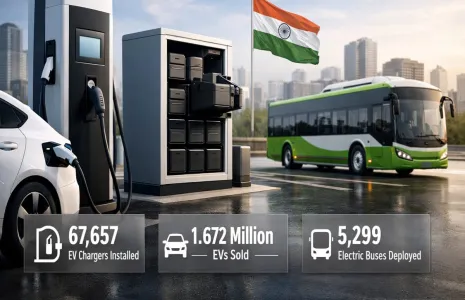
According to inputs from BHEL, the project implementation agency for electric vehicle public charging stations (EVPCS) under the PM E-Drive Scheme, a total of 39,485 EV chargers have been installed across the country, including 8,414 fast chargers for cars.

To address EV users’ range anxiety, the Ministry of Power has issued the Guidelines for Installation and Operation of Electric Vehicle Charging Infrastructure 2024. These outline the standards and protocols required to create a connected and interoperable national charging network, including battery-swapping and charging stations. Setting up charging stations is an unlicensed activity, enabling private-sector participation. Additionally, Rs 2 billion has been allocated under the PM E-Drive Scheme for establishing public charging stations.

The Ministry of Heavy Industries (MHI) has also notified the Scheme for Promotion of Manufacturing of Electric Passenger Cars in India to boost domestic production of electric cars. The PLI Auto & Auto Component scheme further supports the manufacturing of EVs, including electric cars.

The PM E-Drive Scheme, notified on 29 September 2024, provides for the procurement of e-buses through an aggregation model facilitated by Convergence Energy Services Limited (CESL). In Phase I, 10,900 e-buses have been allocated to five cities, and bids for operator selection were opened on 14 November 2025. A further 2,900 e-buses have been allotted under Phase II.

While no national target has been set for EV adoption, the Government is implementing several schemes to accelerate the transition:

Production Linked Incentive (PLI) Scheme for Automobile and Auto Component Industry (PLI-Auto): Notified on 23 September 2021 with a budget of Rs 259.38 billion, the scheme aims to strengthen India’s manufacturing of Advanced Automotive Technology products, including EVs.

PLI Scheme for Advanced Chemistry Cell (ACC) Battery Storage: Notified on 9 June 2021 with an outlay of Rs 181 billion, the scheme aims to build a competitive domestic ecosystem capable of producing 50 GWh of ACC battery storage.

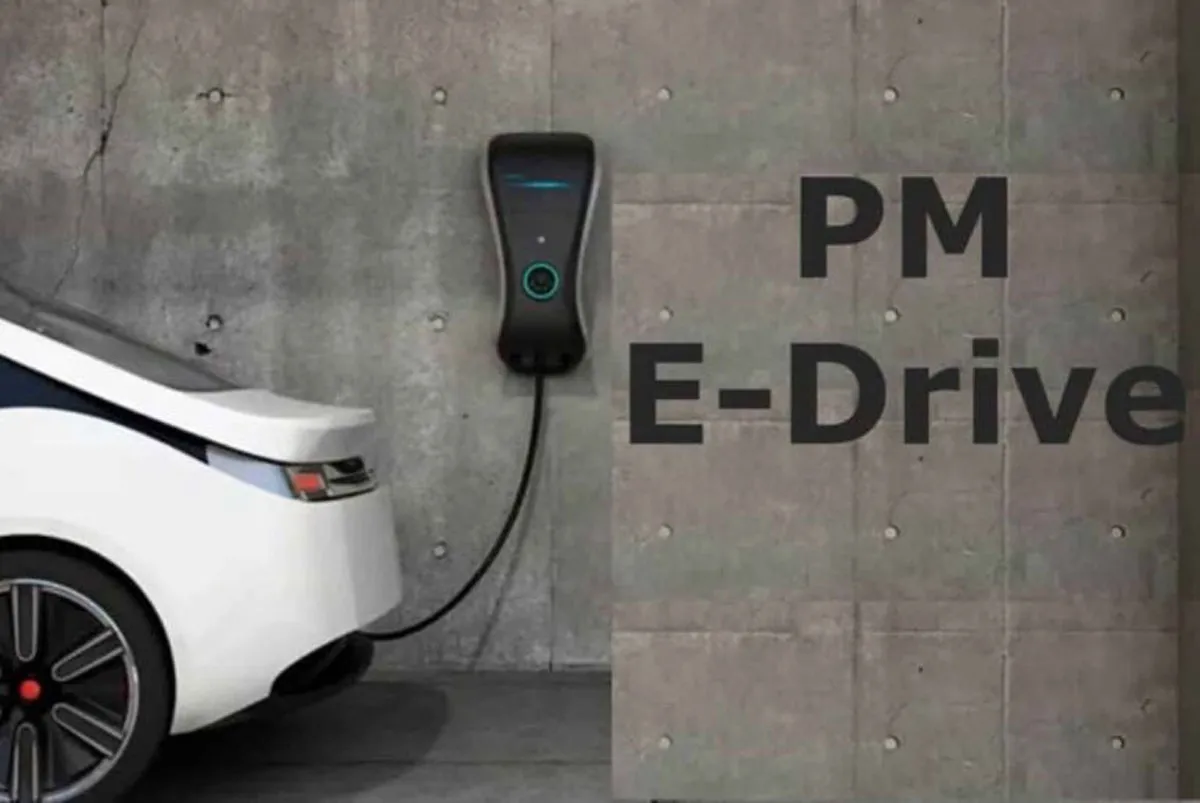
PM Electric Drive Revolution in Innovative Vehicle Enhancement (PM E-Drive): Notified on 29 September 2024 with a budget of Rs 109 billion, supporting e-two-wheelers, e-three-wheelers, e-trucks, e-buses and e-ambulances, along with public charging stations and upgraded testing facilities.

PM e-Bus Sewa – Payment Security Mechanism (PSM) Scheme: Launched on 28 October 2024 with an allocation of Rs 34.353 billion, the scheme supports deployment of more than 38,000 electric buses and provides payment security in case of default by public transport authorities.

Scheme for Promotion of Manufacturing of Electric Passenger Cars in India (SPMEPCI): Notified on 15 March 2024, requiring a minimum investment of Rs 41.5 billion and mandating domestic value addition of 25 per cent at the end of year three and 50 per cent at the end of year five.

This information was provided by the Minister of State for Heavy Industries, Shri Bhupathiraju Srinivasa Varma, in a written reply in the Rajya Sabha.

According to inputs from BHEL, the project implementation agency for electric vehicle public charging stations (EVPCS) under the PM E-Drive Scheme, a total of 39,485 EV chargers have been installed across the country, including 8,414 fast chargers for cars. To address EV users’ range anxiety, the Ministry of Power has issued the Guidelines for Installation and Operation of Electric Vehicle Charging Infrastructure 2024. These outline the standards and protocols required to create a connected and interoperable national charging network, including battery-swapping and charging stations. Setting up charging stations is an unlicensed activity, enabling private-sector participation. Additionally, Rs 2 billion has been allocated under the PM E-Drive Scheme for establishing public charging stations. The Ministry of Heavy Industries (MHI) has also notified the Scheme for Promotion of Manufacturing of Electric Passenger Cars in India to boost domestic production of electric cars. The PLI Auto & Auto Component scheme further supports the manufacturing of EVs, including electric cars. The PM E-Drive Scheme, notified on 29 September 2024, provides for the procurement of e-buses through an aggregation model facilitated by Convergence Energy Services Limited (CESL). In Phase I, 10,900 e-buses have been allocated to five cities, and bids for operator selection were opened on 14 November 2025. A further 2,900 e-buses have been allotted under Phase II. While no national target has been set for EV adoption, the Government is implementing several schemes to accelerate the transition: Production Linked Incentive (PLI) Scheme for Automobile and Auto Component Industry (PLI-Auto): Notified on 23 September 2021 with a budget of Rs 259.38 billion, the scheme aims to strengthen India’s manufacturing of Advanced Automotive Technology products, including EVs. PLI Scheme for Advanced Chemistry Cell (ACC) Battery Storage: Notified on 9 June 2021 with an outlay of Rs 181 billion, the scheme aims to build a competitive domestic ecosystem capable of producing 50 GWh of ACC battery storage. PM Electric Drive Revolution in Innovative Vehicle Enhancement (PM E-Drive): Notified on 29 September 2024 with a budget of Rs 109 billion, supporting e-two-wheelers, e-three-wheelers, e-trucks, e-buses and e-ambulances, along with public charging stations and upgraded testing facilities. PM e-Bus Sewa – Payment Security Mechanism (PSM) Scheme: Launched on 28 October 2024 with an allocation of Rs 34.353 billion, the scheme supports deployment of more than 38,000 electric buses and provides payment security in case of default by public transport authorities. Scheme for Promotion of Manufacturing of Electric Passenger Cars in India (SPMEPCI): Notified on 15 March 2024, requiring a minimum investment of Rs 41.5 billion and mandating domestic value addition of 25 per cent at the end of year three and 50 per cent at the end of year five. This information was provided by the Minister of State for Heavy Industries, Shri Bhupathiraju Srinivasa Varma, in a written reply in the Rajya Sabha.

Next Story
Infrastructure Urban

Centre Boosts FPO Growth With New Credit And Market Support

The Government is implementing the Central Sector Scheme on the formation and promotion of 10,000 Farmer Producer Organisations (FPOs), under which all 10,000 FPOs have now been registered. The scheme provides Rs 1.8 million per FPO for three years as management support, a matching equity grant of up to Rs 1.5 million, and a credit guarantee of up to Rs 0.02 billion through eligible lending institutions. It also offers assistance for training, market linkages and alignment with other schemes. FPOs receive support to obtain input licences for seed, fertiliser and pesticide supplies, as well as..

Next Story
Infrastructure Urban

PM-KISAN Drives Farm Income Gains And Rural Stability

The PM-KISAN scheme, a central sector initiative launched in February 2019, aims to support the financial needs of farmers holding cultivable land. Under the scheme, Rs 6,000 per year is transferred in three equal instalments to Aadhaar-seeded bank accounts through Direct Benefit Transfer. Eligibility is based primarily on cultivable landholding, with certain exclusions for individuals of higher economic status. A farmer-centric digital infrastructure ensures scheme benefits reach farmers across India without intermediaries. With full transparency in registration and verification, the Governm..

Next Story
Infrastructure Urban

Govt Extends Pro Tem Security Certificate To Two Years

In a further push to improve ease of doing business and ensure continuity for the telecom industry, the National Centre for Communication Security (NCCS) under the Department of Telecommunications has extended the validity of the Pro Tem Security Certification from six months to two years. The Pro Tem Certification, initially launched in October 2024 with a six-month validity, was designed to prevent business disruption for IP Router and Wi-Fi CPE products, which became subject to mandatory security certification from 1 October 2024. Under this certification, OEMs submit a declaration confirm..

Advertisement

Subscribe to Our Newsletter

Get daily newsletters around different themes from Construction world.

STAY CONNECTED

Advertisement

Advertisement

Advertisement

Advertisement

Open In App