+
India Needs Connected Public Transport and Walkable Streets
ECONOMY & POLICY

India Needs Connected Public Transport and Walkable Streets

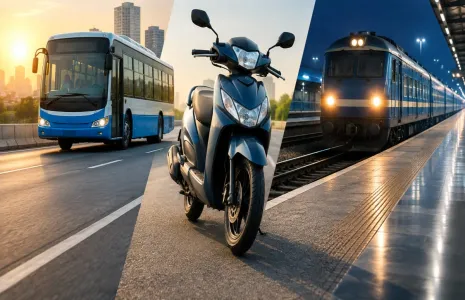
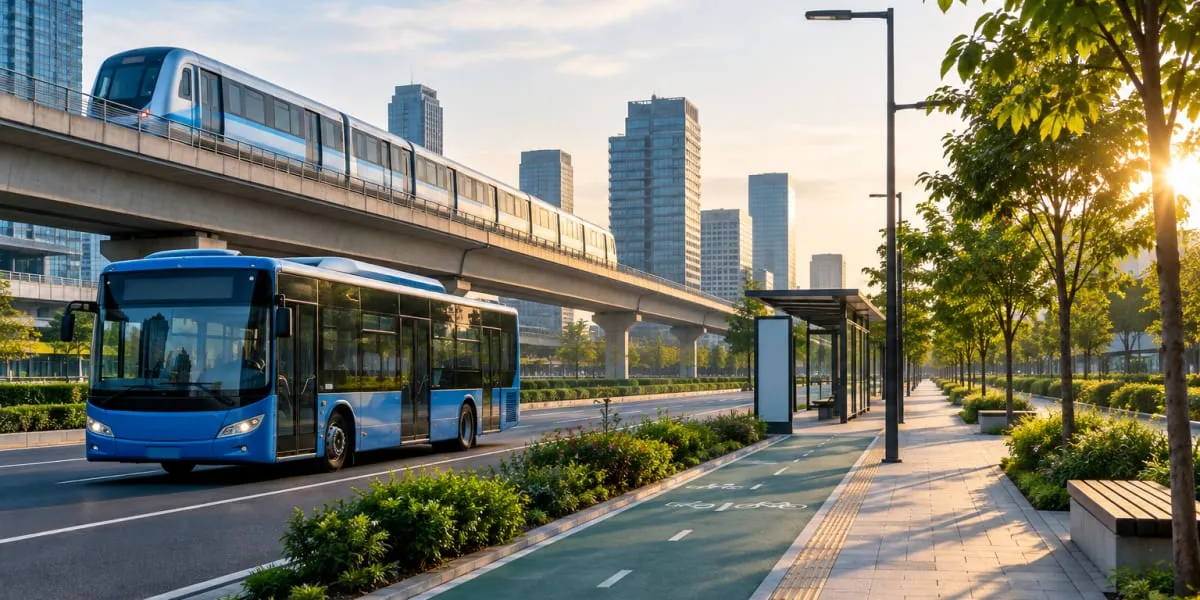
Indian cities need to move beyond isolated transport projects and develop connected mobility networks that combine public transport, walkable streets, reliable last-mile services and stronger participation from employers, speakers at the Mobility Symposium 2026 said. The discussions focused on making daily travel more accessible, resilient and better integrated across growing urban centres.

The third edition of the symposium, hosted by MoveInSync, brought together city administrators, policymakers, corporate leaders and mobility experts from Bengaluru, Cyberabad and Ahmedabad. Participants examined ways to improve connections between different modes of transport and address the difficulties faced by commuters travelling to workplaces and residential areas.

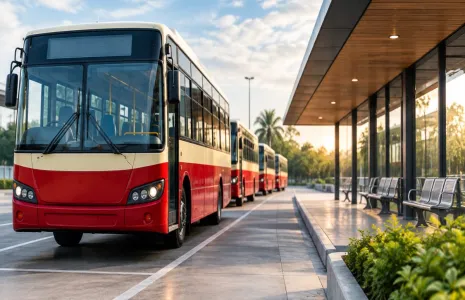
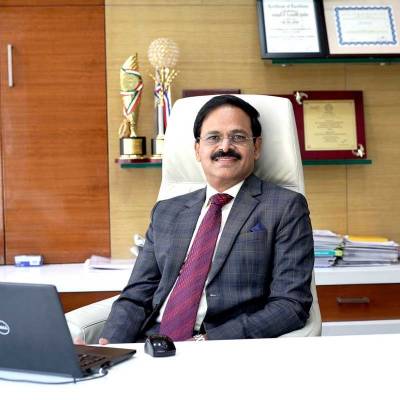
Maheshwar Rao, Chief Commissioner of the Greater Bengaluru Authority (GBA), identified increasing bus availability and improving pedestrian infrastructure as key priorities for Bengaluru. He said the city was aiming to add close to 3,000 buses and stressed the need for wider footpaths, better pedestrian access and greater employer support for public transport through incentives. Rao also urged technology park owners to work with authorities to improve access to workplaces.

The symposium also addressed climate resilience and urban infrastructure. Rao said Bengaluru needed a long-term approach to urban drainage and outlined preliminary plans to identify locations for public heat shelters. Ahmedabad city administrator Banchhanidhi Pani highlighted multimodal integration, single ticketing and journey planning, while also calling for transport routes to be protected from flooding and for commuter comfort to improve during extreme heat.

MLA Sharath Bache Gowda called for transport networks to be formalised in rapidly growing towns around Bengaluru. He said towns and municipalities needed more structured transport infrastructure, pointing to costly and unorganised last-mile journeys between bus stations and homes. The discussions underscored the need for coordinated planning among civic authorities, transport agencies, employers and technology park operators to create more dependable urban mobility systems.

Indian cities need to move beyond isolated transport projects and develop connected mobility networks that combine public transport, walkable streets, reliable last-mile services and stronger participation from employers, speakers at the Mobility Symposium 2026 said. The discussions focused on making daily travel more accessible, resilient and better integrated across growing urban centres. The third edition of the symposium, hosted by MoveInSync, brought together city administrators, policymakers, corporate leaders and mobility experts from Bengaluru, Cyberabad and Ahmedabad. Participants examined ways to improve connections between different modes of transport and address the difficulties faced by commuters travelling to workplaces and residential areas. Maheshwar Rao, Chief Commissioner of the Greater Bengaluru Authority (GBA), identified increasing bus availability and improving pedestrian infrastructure as key priorities for Bengaluru. He said the city was aiming to add close to 3,000 buses and stressed the need for wider footpaths, better pedestrian access and greater employer support for public transport through incentives. Rao also urged technology park owners to work with authorities to improve access to workplaces. The symposium also addressed climate resilience and urban infrastructure. Rao said Bengaluru needed a long-term approach to urban drainage and outlined preliminary plans to identify locations for public heat shelters. Ahmedabad city administrator Banchhanidhi Pani highlighted multimodal integration, single ticketing and journey planning, while also calling for transport routes to be protected from flooding and for commuter comfort to improve during extreme heat. MLA Sharath Bache Gowda called for transport networks to be formalised in rapidly growing towns around Bengaluru. He said towns and municipalities needed more structured transport infrastructure, pointing to costly and unorganised last-mile journeys between bus stations and homes. The discussions underscored the need for coordinated planning among civic authorities, transport agencies, employers and technology park operators to create more dependable urban mobility systems.

Related Stories

Gold Stories

Next Story
Real Estate

Adani begins construction of Dharavi rehabilitation homes

Construction of rehabilitation homes for eligible Dharavi residents has commenced at the 22-acre Matunga railway site, following a Bhoomi Poojan ceremony performed by Pranav Adani, Director, Adani Enterprises (AEL). The project, being implemented by Adani Navbharat Developers (ANDPL), envisages 10 towers comprising 10,432 rehabilitation apartments and 1,379 commercial and industrial units.Under the in-situ rehabilitation scheme, eligible residents will receive homes measuring 350 sq ft. Residents from Sectors 6 and 1 will be accommodated at Matunga first, followed by nearly 4,500 apartments fo..
Next Story
Equipment

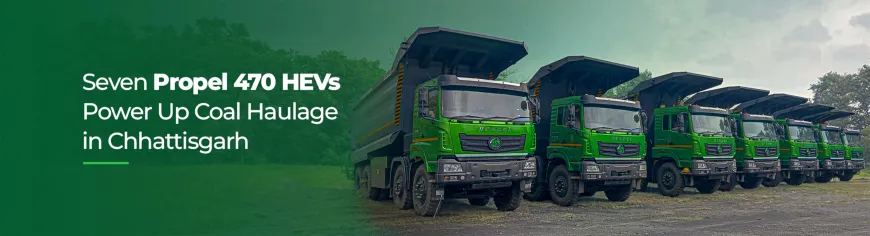
Seven Propel 470 HEV electric tippers go to work on coal haulage in Chhattisgarh

Propel EV, the electric mobility division of Propel Industries and India's No. 1 electric tipper brand, has deployed seven 470 HEV electric trucks with a leading coal-haulage contractor at one of India's largest opencast coal mines in Chhattisgarh. The trucks are in daily operation, moving coal on continuous haul cycles in one of the most demanding applications in Indian mining.Why Electric - and Why CoalCoal haulage runs round the clock: heavy loads, long haul cycles, steep ramps and abrasive dust. It is also where diesel hurts most. Engines run continuously, fuel is the largest single operat..
Next Story
Infrastructure Transport

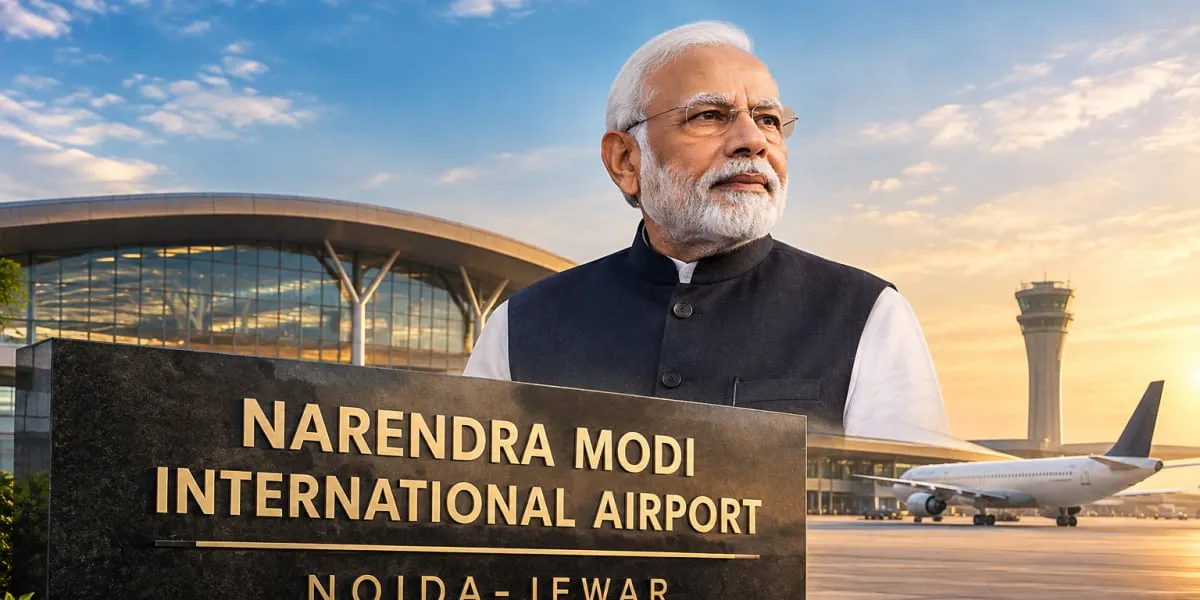
UP Cabinet Approves Renaming Jewar Airport After PM Modi

The Uttar Pradesh Cabinet has approved a proposal to rename Noida International Airport at Jewar as Narendra Modi International Airport, Noida-Jewar. Chief Minister Yogi Adityanath announced the decision after a Cabinet meeting, saying the airport represented a major contribution to the state and would become Uttar Pradesh’s largest airport and a significant aviation hub. The greenfield airport’s foundation stone was laid by Prime Minister Narendra Modi on November 25, 2021. He inaugurated Phase 1 on March 28, 2026, and commercial flights began on June 15. The facility is being developed a..

Advertisement

Subscribe to Our Newsletter

Get daily newsletters around different themes from Construction world.

STAY CONNECTED

Advertisement

SPECIAL OFFER
QR Code