Jain Irrigation Commissions World Scale Biochar Reactor
ECONOMY & POLICY

Jain Irrigation Commissions World Scale Biochar Reactor

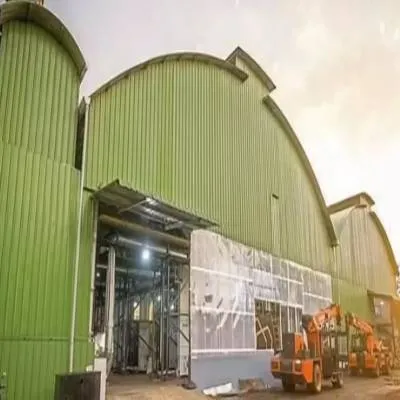
Jain Irrigation Systems Ltd has commissioned a 20,000 tonne per annum (20,000 t/yr) biochar facility in Jalgaon, Maharashtra, which ranks among the world's largest single-unit biochar reactors. The plant processes more than 50 t per day of agricultural and fruit residue, positioning India at the forefront of commercial biochar production. The facility is the first of multiple reactors planned and will integrate with existing agri-processing operations.

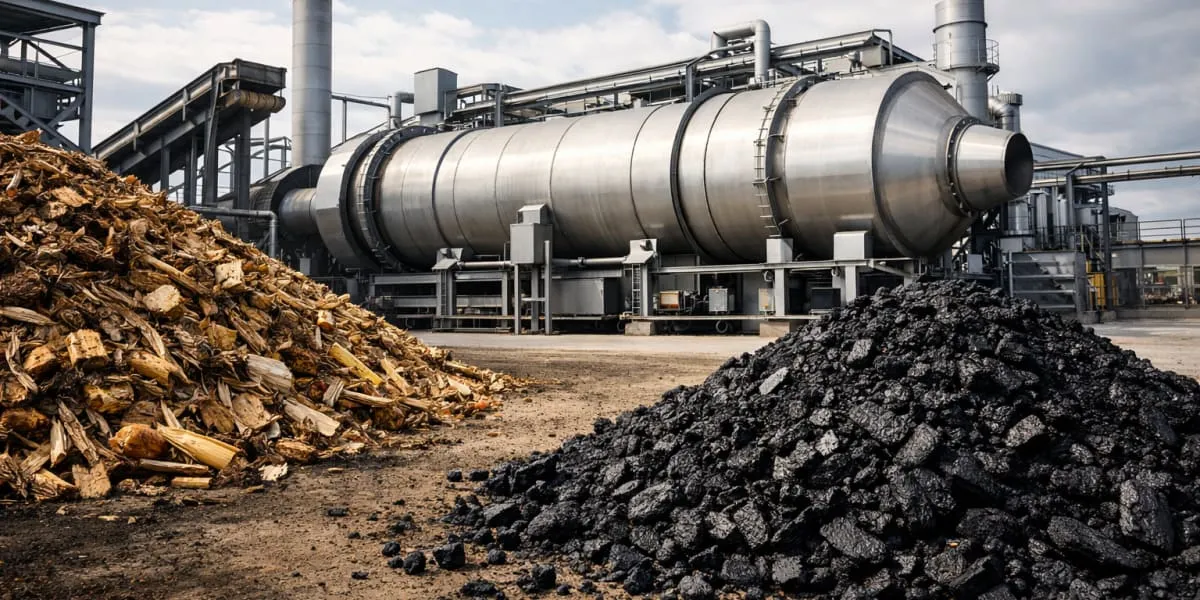
Biochar is produced by pyrolysis, in which crop residue is heated in a low-oxygen environment to create a stable, carbon-rich material that stores carbon for hundreds of years. This durable form of carbon dioxide removal, verified for credits by Puro.earth, contrasts with open burning and other disposal methods that emit greenhouse gases. The process also enhances soil structure and water retention, improving resilience to drought.

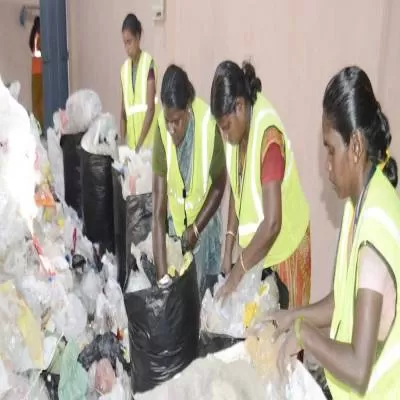
The project establishes a farm-to-soil circular economy in which residues are converted into a premium soil amendment and returned to fields, bolstering soil fertility and reducing dependence on synthetic fertilisers. By creating value from waste, the initiative opens new income streams for farmers and supports rural employment across biomass collection, processing and distribution. It is designed to improve long-term farm productivity and economics.

Jain Irrigation will use its distribution network, developed through micro-irrigation, planting material, food processing and solar systems, to deploy biochar at scale to farmers. The company has worked with global experts on the plant design and will leverage reach to more than 10 million (10 mn) farmers across over 120 countries. The business reports revenues of USD 750 million and employs over 9,000 associates worldwide, creating an integrated value chain from biomass sourcing to farm application.

The initiative aims to reduce stubble burning, enrich soil carbon and improve water-use efficiency while enabling farmers to participate in the global carbon economy through verified durable credits. The company states that the project supports national climate goals and offers a replicable model for agricultural economies across Asia. Further reactors under development will scale processing capacity and expand rural benefits.

Jain Irrigation Systems Ltd has commissioned a 20,000 tonne per annum (20,000 t/yr) biochar facility in Jalgaon, Maharashtra, which ranks among the world's largest single-unit biochar reactors. The plant processes more than 50 t per day of agricultural and fruit residue, positioning India at the forefront of commercial biochar production. The facility is the first of multiple reactors planned and will integrate with existing agri-processing operations. Biochar is produced by pyrolysis, in which crop residue is heated in a low-oxygen environment to create a stable, carbon-rich material that stores carbon for hundreds of years. This durable form of carbon dioxide removal, verified for credits by Puro.earth, contrasts with open burning and other disposal methods that emit greenhouse gases. The process also enhances soil structure and water retention, improving resilience to drought. The project establishes a farm-to-soil circular economy in which residues are converted into a premium soil amendment and returned to fields, bolstering soil fertility and reducing dependence on synthetic fertilisers. By creating value from waste, the initiative opens new income streams for farmers and supports rural employment across biomass collection, processing and distribution. It is designed to improve long-term farm productivity and economics. Jain Irrigation will use its distribution network, developed through micro-irrigation, planting material, food processing and solar systems, to deploy biochar at scale to farmers. The company has worked with global experts on the plant design and will leverage reach to more than 10 million (10 mn) farmers across over 120 countries. The business reports revenues of USD 750 million and employs over 9,000 associates worldwide, creating an integrated value chain from biomass sourcing to farm application. The initiative aims to reduce stubble burning, enrich soil carbon and improve water-use efficiency while enabling farmers to participate in the global carbon economy through verified durable credits. The company states that the project supports national climate goals and offers a replicable model for agricultural economies across Asia. Further reactors under development will scale processing capacity and expand rural benefits.

Next Story
Real Estate

Mahindra Lifespaces Unveils New Phase at Mahindra Citadel

Mahindra Lifespace Developers has launched Codename Sanctum, a new phase of its residential project, Mahindra Citadel, in Pimpri-Chinchwad, Pune. Spread across approximately 9.66 acres, the development has a Gross Development Value (GDV) of nearly Rs 25 billion. The newly launched phase, comprising Towers E, F and G, has an estimated GDV of around Rs 8-8.5 billion and offers a limited inventory of premium 2 and 3 BHK residences.Vimalendra Singh, Chief Business Officer (Residential), Mahindra Lifespace Developers Ltd. said, “Mahindra Citadel has emerged as a strong contributor to our Pune por..

Next Story
Infrastructure Urban

Cabinet Approves Two Year Scheme To Replace Old Trucks And Buses

The Union Cabinet, chaired by the Prime Minister, approved a two-year scheme to reduce air pollution in the Delhi–NCR region and promote cleaner mobility. The programme will be funded through the National Capital Region Planning Board under the Ministry of Housing and Urban Affairs and implemented by the Ministry of Road Transport and Highways and the Ministry of Petroleum and Natural Gas, with participating States and Union Territories of Delhi, Haryana, Rajasthan and Uttar Pradesh. The total financial outlay has been set at Rs 95.85 billion (bn), with the Central Government contributing Rs..

Next Story
Infrastructure Transport

Bengaluru Suburban Rail And Metro To Share 500-Metre Corridor

Bengaluru suburban rail and the Metro will share a 500-metre corridor at Benniganahalli, a decision that planners say will reduce capital expenditure and urban disruption. The consolidation of alignments across the short stretch is intended to avoid duplication of elevated structures and station facilities while cutting land acquisition needs. Authorities put the maximum savings at Rs 1.69 bn (1,690 mn). The arrangement also aims to streamline construction interfaces between the two systems. The shared corridor will require coordinated design of track beds, piers and passenger access so that s..

Advertisement

Subscribe to Our Newsletter

Get daily newsletters around different themes from Construction world.

STAY CONNECTED

Advertisement

Advertisement

Advertisement