Centre Clears Power Distribution Upgrade for Uttar Pradesh
ECONOMY & POLICY

Centre Clears Power Distribution Upgrade for Uttar Pradesh

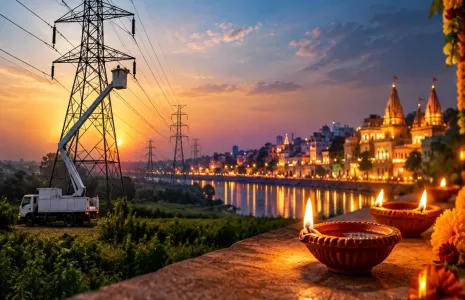
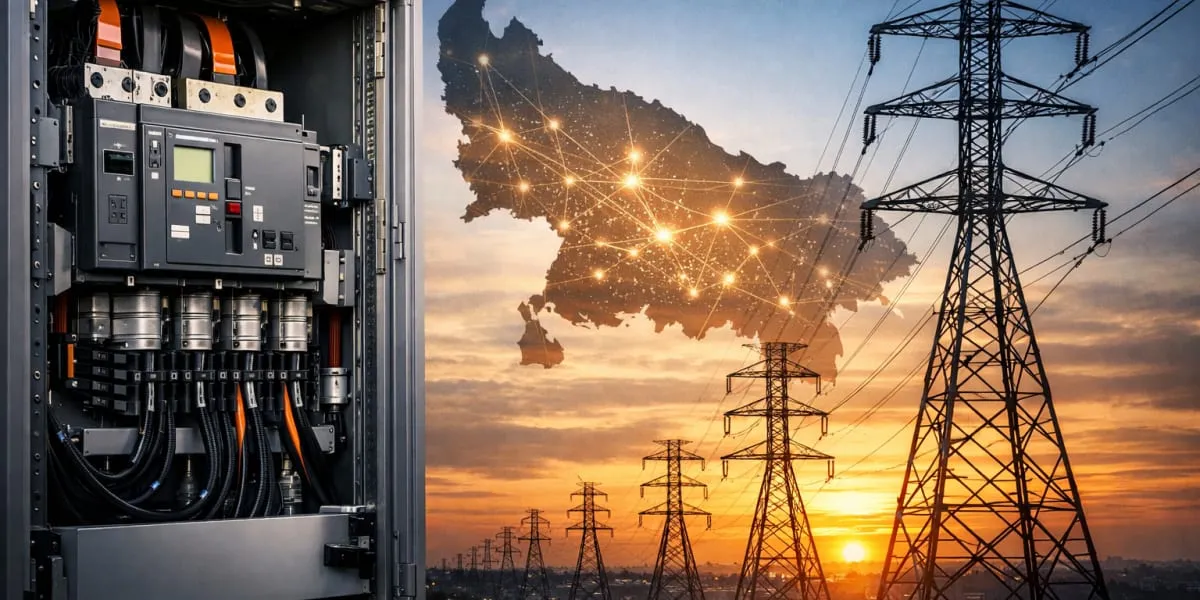
The Central Government has approved power distribution projects worth Rs 407.39 billion for Uttar Pradesh under the Revamped Distribution Sector Scheme (RDSS). The investment will be used to modernise the state's electricity distribution infrastructure and strengthen network capacity across urban and rural areas. The package targets one of the country's largest distribution networks as the state experiences rapid urbanisation and rising electricity consumption.

Planned interventions include the strengthening of distribution lines, modernisation of substations, replacement of ageing electrical equipment and expansion of network capacity in high demand corridors. The programme encourages the adoption of supervisory control and data acquisition systems and other digital monitoring tools to improve system visibility and fault detection. Such technology integration is intended to enable more efficient network management by distribution utilities. Project designs will prioritise areas with frequent outages and overloaded feeders.

A principal objective of the scheme is to reduce technical and commercial losses that undermine the financial sustainability of electricity distribution companies. Improved metering, energy accounting and operational planning are expected to enhance revenue realisation and service reliability for consumers. Enhanced supply quality is also likely to support industrial activity, healthcare and educational services that rely on dependable power. Stakeholders and utilities will be able to sequence investments to address priority needs within local supply zones.

Implementation will be led by the state's distribution companies in phased projects aligned with the technical and financial framework prescribed under the scheme, with periodic monitoring to ensure adherence to timelines and quality standards. The phased approach aims to minimise service disruptions while allowing upgrades to be integrated into the existing network. Periodic reviews and technical audits will be used to measure progress and guide subsequent phases. Once works are complete, the strengthened infrastructure and operational practices should improve resilience and meet future demand.

The Central Government has approved power distribution projects worth Rs 407.39 billion for Uttar Pradesh under the Revamped Distribution Sector Scheme (RDSS). The investment will be used to modernise the state's electricity distribution infrastructure and strengthen network capacity across urban and rural areas. The package targets one of the country's largest distribution networks as the state experiences rapid urbanisation and rising electricity consumption. Planned interventions include the strengthening of distribution lines, modernisation of substations, replacement of ageing electrical equipment and expansion of network capacity in high demand corridors. The programme encourages the adoption of supervisory control and data acquisition systems and other digital monitoring tools to improve system visibility and fault detection. Such technology integration is intended to enable more efficient network management by distribution utilities. Project designs will prioritise areas with frequent outages and overloaded feeders. A principal objective of the scheme is to reduce technical and commercial losses that undermine the financial sustainability of electricity distribution companies. Improved metering, energy accounting and operational planning are expected to enhance revenue realisation and service reliability for consumers. Enhanced supply quality is also likely to support industrial activity, healthcare and educational services that rely on dependable power. Stakeholders and utilities will be able to sequence investments to address priority needs within local supply zones. Implementation will be led by the state's distribution companies in phased projects aligned with the technical and financial framework prescribed under the scheme, with periodic monitoring to ensure adherence to timelines and quality standards. The phased approach aims to minimise service disruptions while allowing upgrades to be integrated into the existing network. Periodic reviews and technical audits will be used to measure progress and guide subsequent phases. Once works are complete, the strengthened infrastructure and operational practices should improve resilience and meet future demand.

Next Story
Infrastructure Energy

India Data Centres To Consume 191 TWh By 2040 Driving Renewables

A Wood Mackenzie report says India's operational data centre capacity is projected to increase more than fivefold to 12 gigawatt (GW) by 2030 from 2.2 GW in 2025 as artificial intelligence (AI) and cloud computing drive demand. It projects electricity consumption to rise from 10 terawatt-hour (TWh) in 2025 to 191 TWh by 2040. The study forecasts a compound annual growth rate of around 40 per cent and notes AI-dedicated capacity will surge nearly 24-fold from 275 megawatt (MW) in 2025 to 6,546 MW by 2030. The report places India's digital economy at Rs 32 trillion (tn) in 2025 and says it contr..

Next Story
Infrastructure Transport

Hydrogen Train Completes 1,200 Kilometres Of Trials

India's first hydrogen train was flagged off between Jind and Sonipat on July 17 and has travelled over 1,200 kilometres in trials, saving diesel consumption of more than 3,200 litres, a Railway Ministry press release said. The deployment marks the introduction of a zero-emission fuel cell train into route testing and represents a milestone in domestic rail innovation. The train generates electricity onboard through a chemical reaction between hydrogen and oxygen, producing electricity to propel the vehicle while emitting only water vapour as a by-product. There is no smoke and no tailpipe car..

Next Story
Infrastructure Transport

Kolkata Biratnagar Rail Cargo To Ease Nepal India Trade

The Government of Nepal's Ministry of Foreign Affairs said the first-ever rail cargo service from Kolkata to Biratnagar will ease business between Nepal and India. It said the service began from the first of Shrawan 2083 and was launched officially on July 17, marking a milestone in Nepal's transit and trade logistics by extending direct rail access beyond Birgunj for the first time. The ministry made the remarks at a regular fortnightly press briefing in Kathmandu and identified the route as operating under the Nepal-India Transit Treaty. The ministry explained that under the treaty goods imp..

Advertisement

Subscribe to Our Newsletter

Get daily newsletters around different themes from Construction world.

STAY CONNECTED

Advertisement

Advertisement

Advertisement