JK Tyre To Invest Rs 49.8 Billion In Chennai And Mysuru Plants
ECONOMY & POLICY

JK Tyre To Invest Rs 49.8 Billion In Chennai And Mysuru Plants

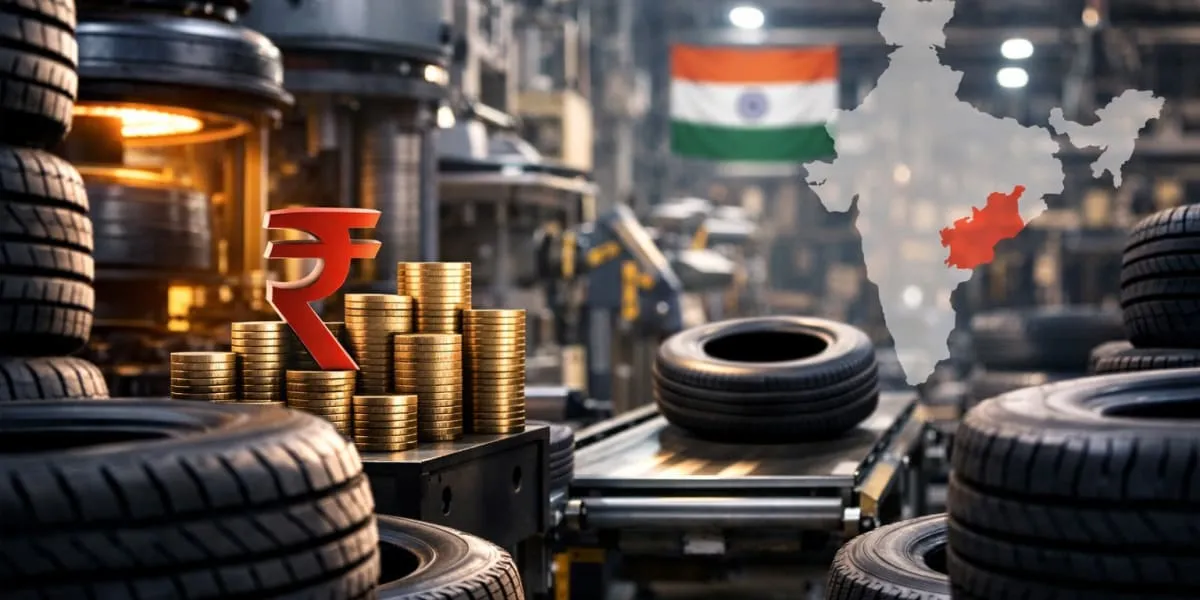
JK Tyre will invest Rs 49.8 billion (bn) on capital expenditure at its manufacturing facilities in Chennai and Mysuru by 2030, the company said. The planned investment is aimed at expanding production capacity and upgrading manufacturing technology across both plants. Company executives indicated the funds would be allocated to plant modernisation, equipment renewal and supply chain enhancements to support future demand.

The allocation for Chennai will focus on tyre production lines for passenger and commercial vehicles while the Mysuru outlay will concentrate on radial tyre capacity and ancillary processes. The company outlined a phased investment schedule through the remainder of the decade, with milestones tied to commissioning of new lines and integration of automation. Management described the programme as part of a broader capital expenditure strategy to strengthen domestic manufacturing and export competitiveness.

Analysts noted that such capex commitments across the tyre sector can drive incremental capacity and support vendor ecosystems, though they advised monitoring execution timelines. The company said it would pursue regulatory clearances, capital sourcing and contractor engagements as part of project delivery. Investment in technology upgrades was presented as a means to improve yields, reduce downtime and align production with evolving vehicle specifications.

The investment plan was framed within the company's long-term industrial strategy to enhance scale and operational resilience. JK Tyre signalled that plant-level interventions would be coordinated with existing production schedules to minimise disruption. Further details on the annual spend breakdown and precise commissioning dates were to be disclosed in subsequent updates.

Financial planning for the programme will include staged capital allocation and internal and external funding sources, the company noted, and annual budgets will reflect project cash flows. Progress reports and periodic disclosures to stakeholders were to form part of governance arrangements, with the board overseeing major milestones and compliance requirements.

"Join industry leaders at RAHSTA Expo, India's premier platform for roads, highways and traffic infrastructure. Register now to explore innovations, network with experts and shape the future of mobility."

JK Tyre will invest Rs 49.8 billion (bn) on capital expenditure at its manufacturing facilities in Chennai and Mysuru by 2030, the company said. The planned investment is aimed at expanding production capacity and upgrading manufacturing technology across both plants. Company executives indicated the funds would be allocated to plant modernisation, equipment renewal and supply chain enhancements to support future demand. The allocation for Chennai will focus on tyre production lines for passenger and commercial vehicles while the Mysuru outlay will concentrate on radial tyre capacity and ancillary processes. The company outlined a phased investment schedule through the remainder of the decade, with milestones tied to commissioning of new lines and integration of automation. Management described the programme as part of a broader capital expenditure strategy to strengthen domestic manufacturing and export competitiveness. Analysts noted that such capex commitments across the tyre sector can drive incremental capacity and support vendor ecosystems, though they advised monitoring execution timelines. The company said it would pursue regulatory clearances, capital sourcing and contractor engagements as part of project delivery. Investment in technology upgrades was presented as a means to improve yields, reduce downtime and align production with evolving vehicle specifications. The investment plan was framed within the company's long-term industrial strategy to enhance scale and operational resilience. JK Tyre signalled that plant-level interventions would be coordinated with existing production schedules to minimise disruption. Further details on the annual spend breakdown and precise commissioning dates were to be disclosed in subsequent updates. Financial planning for the programme will include staged capital allocation and internal and external funding sources, the company noted, and annual budgets will reflect project cash flows. Progress reports and periodic disclosures to stakeholders were to form part of governance arrangements, with the board overseeing major milestones and compliance requirements.

Next Story
Infrastructure Transport

Bhogapuram Airport Set For Take Off After Licence Issued

Union Civil Aviation Minister Kinjarapu Ram Mohan Naidu announced that Alluri Sitharama Raju Bhogapuram International Airport has achieved 100 per cent completion following issuance of its aerodrome licence by the Ministry of Civil Aviation after an inspection with public representatives, district officials and GMR Group representatives. The licence was granted after extensive verification over the past month to ensure that safety and operational standards were met. The Chief Minister's Office has already contacted the Prime Minister's Office to finalise an inauguration date and commercial fli..

Next Story
Infrastructure Urban

Auto Sector To Grow 22-24 Per Cent In Q1 FY27

Credit Rating Information Services of India (Crisil) estimated that India's automobile sector is expected to report revenue growth of 22-24 per cent year-on-year in the first quarter of FY27 and to be among the largest contributors to corporate revenue growth in the quarter. The agency estimated overall corporate revenue to have grown 11-11.5 per cent year-on-year in the quarter ended 30 June 2026, the fastest pace in two years despite supply chain disruptions and higher input costs from the West Asia conflict. This compared with growth of 9.6 per cent in the preceding quarter. Crisil said the..

Next Story
Infrastructure Urban

Nomura Sees Q1 Pressure On Cement Margins; Backs Major Players

Nomura said cement margins will be under pressure in the June quarter as fuel and packaging costs rose, although volume growth is expected to remain healthy. The brokerage forecast six to seven per cent year-on-year organic volume growth for the Indian cement industry in the period, with Shree Cement identified as likely to post the highest growth at 15 per cent year-on-year. It noted that the West and North regions outperformed on pricing, aiding companies with greater exposure in those markets. Average trade prices improved three per cent sequentially to around Rs 326 per bag after price inc..

Advertisement

Subscribe to Our Newsletter

Get daily newsletters around different themes from Construction world.

STAY CONNECTED

Advertisement

Advertisement

Advertisement