




+
JMC Deploys New Machines To Boost City Cleaning
ECONOMY & POLICY

JMC Deploys New Machines To Boost City Cleaning

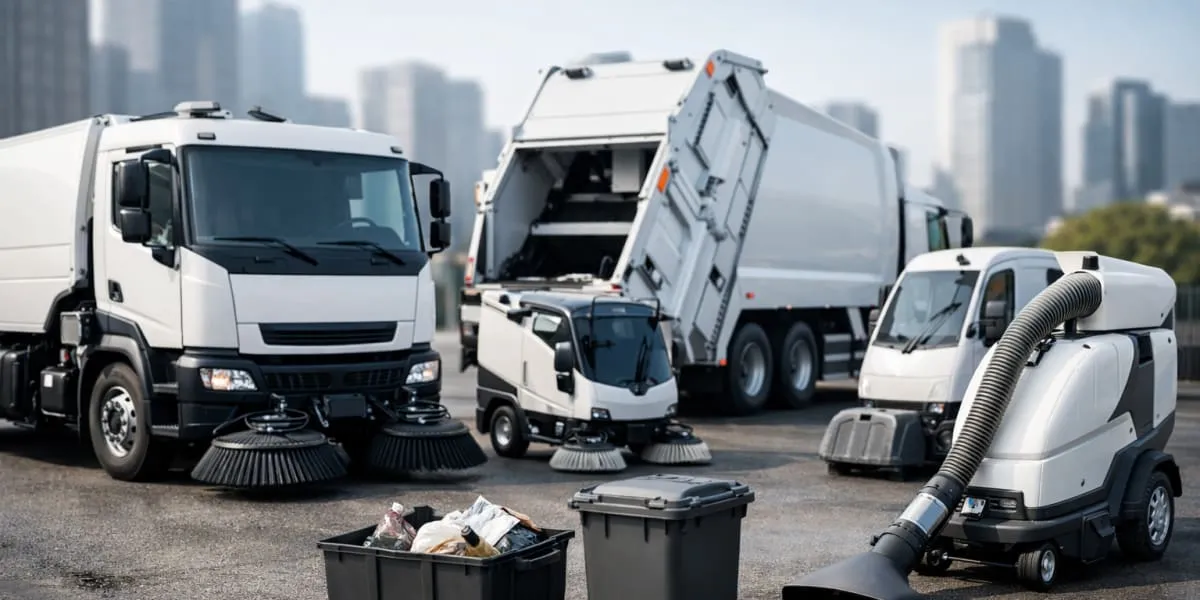
JMC (the municipal corporation) has deployed a new fleet of machines to boost city cleaning as part of a recent municipal initiative. The move aims to augment routine sanitation operations and to modernise waste collection across urban wards. Officials said the deployment is intended to increase operational efficiency and to address longstanding concerns about street cleanliness and waste accumulation in densely populated neighbourhoods. The initiative forms part of ongoing efforts to modernise civic services and to respond to citizen complaints about sanitation.

The equipment includes mechanised sweepers, compactors and specialised loaders that will support manual crews and reduce dependence on labour for heavy tasks. Machines will be assigned to high-priority zones and to routes characterised by significant footfall and commercial activity. Staff have been scheduled for training to operate and maintain the equipment, and municipal teams will oversee daily deployment patterns. Usage will be prioritised during peak hours to maximise coverage and to reduce street-level congestion from waste.

The introduction of mechanised cleaning is expected to shorten collection cycles, reduce littering and improve the appearance of public spaces. Improved handling of refuse should lower health risks associated with open waste and with pest attraction, while enhanced street washing will help manage dust and pollutants. The municipal corporation plans to integrate machine-assisted operations with existing door-to-door collection and segregation efforts. Officials anticipate that combining mechanised methods with public awareness will strengthen source segregation and recycling rates over time.

Implementation will follow a phased schedule coordinated by ward offices, with monitoring to evaluate performance and to identify areas requiring additional resources. Maintenance arrangements have been outlined to ensure equipment uptime, and staff will be rotated to balance operational demands. Citizens are being urged to support the initiative by following waste disposal guidelines so that mechanised efforts deliver sustained improvements in urban sanitation. Periodic reviews will consider operational data and community feedback to refine routing and maintenance schedules.

JMC (the municipal corporation) has deployed a new fleet of machines to boost city cleaning as part of a recent municipal initiative. The move aims to augment routine sanitation operations and to modernise waste collection across urban wards. Officials said the deployment is intended to increase operational efficiency and to address longstanding concerns about street cleanliness and waste accumulation in densely populated neighbourhoods. The initiative forms part of ongoing efforts to modernise civic services and to respond to citizen complaints about sanitation. The equipment includes mechanised sweepers, compactors and specialised loaders that will support manual crews and reduce dependence on labour for heavy tasks. Machines will be assigned to high-priority zones and to routes characterised by significant footfall and commercial activity. Staff have been scheduled for training to operate and maintain the equipment, and municipal teams will oversee daily deployment patterns. Usage will be prioritised during peak hours to maximise coverage and to reduce street-level congestion from waste. The introduction of mechanised cleaning is expected to shorten collection cycles, reduce littering and improve the appearance of public spaces. Improved handling of refuse should lower health risks associated with open waste and with pest attraction, while enhanced street washing will help manage dust and pollutants. The municipal corporation plans to integrate machine-assisted operations with existing door-to-door collection and segregation efforts. Officials anticipate that combining mechanised methods with public awareness will strengthen source segregation and recycling rates over time. Implementation will follow a phased schedule coordinated by ward offices, with monitoring to evaluate performance and to identify areas requiring additional resources. Maintenance arrangements have been outlined to ensure equipment uptime, and staff will be rotated to balance operational demands. Citizens are being urged to support the initiative by following waste disposal guidelines so that mechanised efforts deliver sustained improvements in urban sanitation. Periodic reviews will consider operational data and community feedback to refine routing and maintenance schedules.

Related Stories

Gold Stories
Next Story
Infrastructure Transport

MMRDA Targets Completion of Projects by December 2028

The Mumbai Metropolitan Region Development Authority (MMRDA) is targeting the completion of all its ongoing infrastructure projects by December 2028, a year ahead of its December 2029 deadline, Metropolitan Commissioner Dr Sanjay Mukherjee has said.Speaking at the sixth edition of the Real Estate & Infrastructure Investors' Summit (REIIS) 2026 in Mumbai, Mukherjee said the authority was developing an integrated network of roads, tunnels, sea links and Metro corridors under its broader vision of “Mumbai in 59 Minutes”.The objective is to improve east-west and north-south connectivity an..

Next Story
Building Material

High-Performance Façades Gain Ground in Indian Buildings

High-performance façades are gaining greater importance in Indian architecture as developers and architects increasingly focus on energy efficiency, thermal comfort and building performance, according to Shankar Fenestrations & Glasses.The company said modern façade systems are increasingly being considered as part of a building's overall performance strategy rather than being used primarily as aesthetic elements.High-performance glass, curtain wall systems and structural glazing can contribute to thermal regulation, solar control, daylight management and indoor comfort. Their growing ad..

Next Story
Technology

SPML Infra's 104.4 kWh BESS Battery Pack Clears Global Tests

SPML Infra has announced that its proprietary 104.4 kWh Battery Energy Storage System (BESS) battery pack has completed key international safety, performance and transportation testing and certification requirements, marking a step towards its commercial deployment.Developed under the company's own intellectual property, the battery pack has completed requirements under UL9540A, IEC 62619, IEC 63056, IEC 60730, IEC 61000-6-2, IEC 61000-6-4 and UN38.3 standards.The testing covers areas including thermal runaway safety, battery performance, system functional safety, electromagnetic compatibility..

Advertisement

Subscribe to Our Newsletter

Get daily newsletters around different themes from Construction world.

STAY CONNECTED

Advertisement

SPECIAL OFFER
QR Code