

KG-D6 Profit Petroleum Dispute Nears Resolution
ECONOMY & POLICY

KG-D6 Profit Petroleum Dispute Nears Resolution

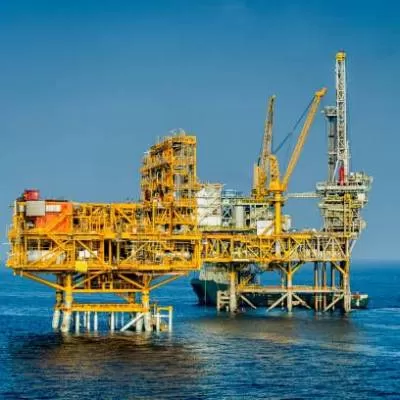
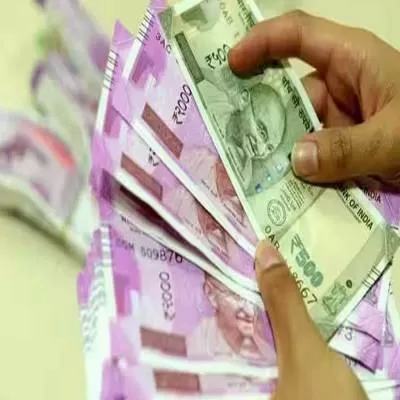
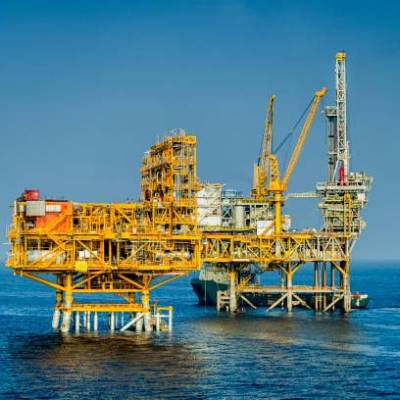
A resolution to the long-running dispute over the sharing of profit petroleum from the KG-D6 hydrocarbon block off the Andhra Pradesh coast in the Bay of Bengal could be reached in 2026, as international arbitration between Reliance Industries Ltd (RIL) and the Government of India enters its final stage. The dispute involves claims amounting to USD 247 million, or about Rs 22.3 billion.

Mukesh Ambani-led RIL has operated the KG-D6 block since 2000 and is contesting the government’s demand for additional profit petroleum. The disagreement arose after the government disallowed the recovery of a portion of costs already incurred by the RIL-led consortium, which also included BP Plc of the UK and Canada-based Niko Resources. The consortium had developed deepwater facilities at the block, a first for India’s upstream sector.

Industry sources said that deepwater exploration and production typically involve high geological and technical risks, and that production sharing contracts under the New Exploration and Licensing Policy explicitly allow contractors to recover costs related to exploration, development and production. Under these contracts, the government is entitled to a share of profit petroleum, in addition to royalties and taxes, and also has the authority to oversee, approve and audit project expenditure.

As per the production sharing contract, a management committee comprising two government representatives is constituted, with veto power over all key decisions. Contractors are not permitted to undertake spending or implement decisions without prior approval from this committee. Sources said the RIL-led consortium followed these procedures strictly and obtained all required approvals.

The dispute escalated when the government sought to retrospectively disallow part of the capital expenditure after gas output fell short of initial projections. RIL has objected to this move, citing investments of close to USD 10 billion in the block and pointing out that the contract does not permit unilateral, post-facto disallowance of costs once they have been approved and incurred.

Despite the dispute, the government has already received substantial proceeds from the KG-D6 block in the form of profit petroleum, royalties and taxes. RIL has also sold the entire volume of gas produced at a discount to prevailing market prices, even though the production sharing contract provided for a market-linked pricing formula.

A resolution to the long-running dispute over the sharing of profit petroleum from the KG-D6 hydrocarbon block off the Andhra Pradesh coast in the Bay of Bengal could be reached in 2026, as international arbitration between Reliance Industries Ltd (RIL) and the Government of India enters its final stage. The dispute involves claims amounting to USD 247 million, or about Rs 22.3 billion. Mukesh Ambani-led RIL has operated the KG-D6 block since 2000 and is contesting the government’s demand for additional profit petroleum. The disagreement arose after the government disallowed the recovery of a portion of costs already incurred by the RIL-led consortium, which also included BP Plc of the UK and Canada-based Niko Resources. The consortium had developed deepwater facilities at the block, a first for India’s upstream sector. Industry sources said that deepwater exploration and production typically involve high geological and technical risks, and that production sharing contracts under the New Exploration and Licensing Policy explicitly allow contractors to recover costs related to exploration, development and production. Under these contracts, the government is entitled to a share of profit petroleum, in addition to royalties and taxes, and also has the authority to oversee, approve and audit project expenditure. As per the production sharing contract, a management committee comprising two government representatives is constituted, with veto power over all key decisions. Contractors are not permitted to undertake spending or implement decisions without prior approval from this committee. Sources said the RIL-led consortium followed these procedures strictly and obtained all required approvals. The dispute escalated when the government sought to retrospectively disallow part of the capital expenditure after gas output fell short of initial projections. RIL has objected to this move, citing investments of close to USD 10 billion in the block and pointing out that the contract does not permit unilateral, post-facto disallowance of costs once they have been approved and incurred. Despite the dispute, the government has already received substantial proceeds from the KG-D6 block in the form of profit petroleum, royalties and taxes. RIL has also sold the entire volume of gas produced at a discount to prevailing market prices, even though the production sharing contract provided for a market-linked pricing formula.

Next Story
Infrastructure Transport

KPIL Secures Rs 7.19 Billion Metro Rail Order in Thane

Kalpataru Projects International (KPIL), along with its joint venture, has recently secured new orders and notifications of award worth approximately Rs 7.19 billion. The key contract includes an elevated metro rail project in Thane, Maharashtra, marking a significant addition to the company’s urban infrastructure portfolio.Commenting on the development, Manish Mohnot, MD & CEO, said the order strengthens KPIL’s presence in the expanding urban transportation EPC segment. He added that the company’s diversified order book, consistent order inflows and strong execution capabilities..

Next Story
Infrastructure Urban

IRFC Sanctions Rs 50 Billion Loan to MAHAGENCO

Indian Railway Finance Corporation (IRFC) has recently executed a Rupee Term Loan Agreement with Maharashtra State Power Generation Company Limited (MAHAGENCO) for a sanctioned amount of Rs 50 billion, of which Rs 30 billion has already been disbursed. A Navratna CPSE under the Ministry of Railways, IRFC has expanded its role beyond rail financing to support infrastructure projects linked to the railway ecosystem, including power generation, transmission, mining, logistics, ports and metro rail. The corporation continues to maintain a strong asset quality profile with a zero-NPA portfolio. M..

Next Story
Infrastructure Transport

AFCOM Inducts Third Aircraft, Boosting Cargo Capacity

AFCOM Holdings has recently inducted its third aircraft, marking a key milestone in the company’s fleet expansion and operational growth. The aircraft was welcomed with a water cannon salute on arrival at Chennai International Airport, underscoring its strategic importance to AFCOM’s expanding network. With Chennai as a key operational hub, the additional aircraft enhances AFCOM’s ability to cater to rising demand for air cargo services across domestic and international routes, including time-sensitive and specialised cargo segments. The induction strengthens operational capacity while ..

Advertisement

Subscribe to Our Newsletter

Get daily newsletters around different themes from Construction world.

STAY CONNECTED

Advertisement

Advertisement

Advertisement

Advertisement

Open In App