Maharashtra Clears Metro, Ring Road and Highway Projects
ECONOMY & POLICY

Maharashtra Clears Metro, Ring Road and Highway Projects

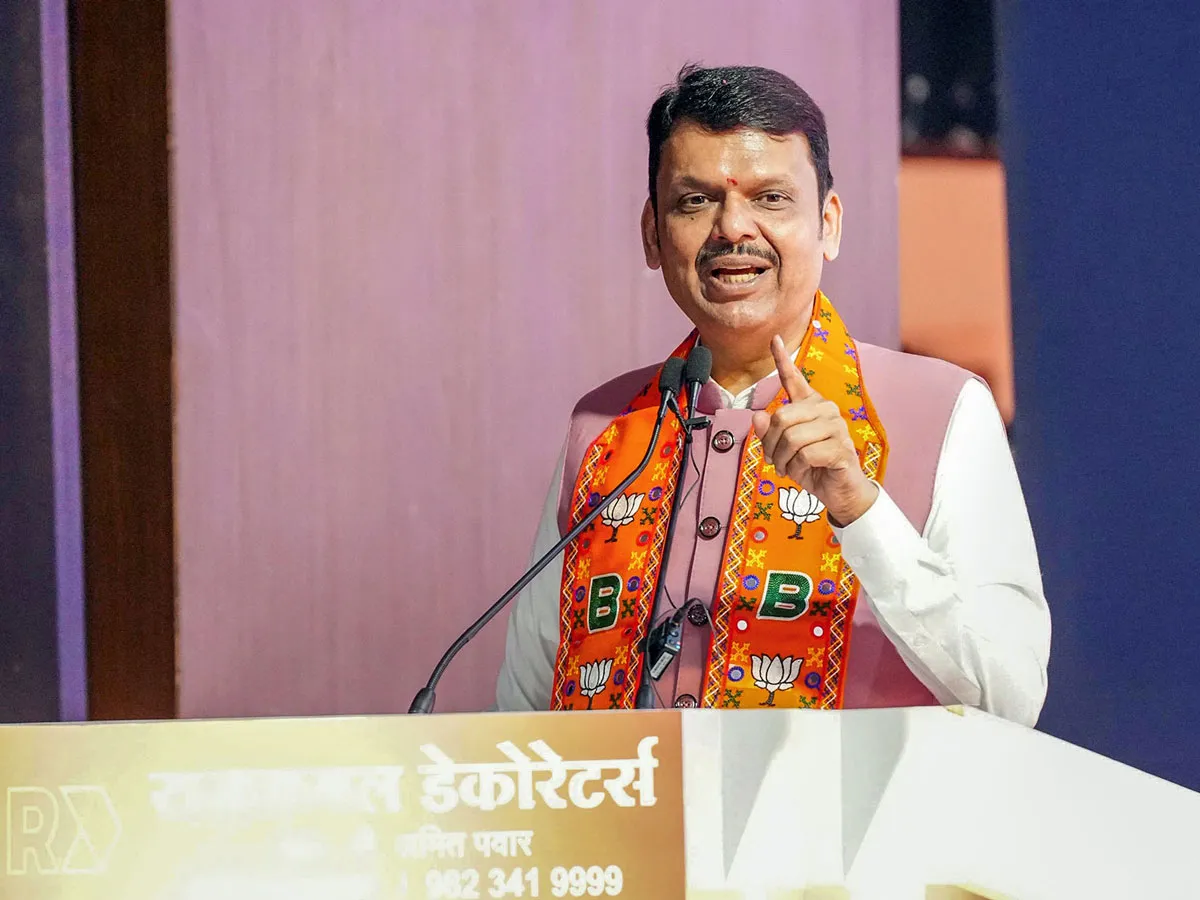
The Maharashtra government has approved several major infrastructure projects, including Metro Line-8 connecting Mumbai and Navi Mumbai airports, during a meeting of the Cabinet Infrastructure Committee chaired by Chief Minister Devendra Fadnavis at Mantralaya.

According to an official release, the committee cleared the 35-kilometre Metro Line-8 corridor linking Chhatrapati Shivaji Maharaj International Airport with the upcoming Navi Mumbai International Airport. The project is expected to significantly enhance airport connectivity and urban mobility across the Mumbai Metropolitan Region.

The meeting also approved the implementation of the 66-kilometre Nashik City Ring Road through the Maharashtra State Road Development Corporation, as well as a revised alignment for a four-lane cement concrete highway from Navegaon Mor to Surjagad in Gadchiroli district to facilitate mineral transportation.

Fadnavis directed that land acquisition and statutory approvals must be completed before the commencement of any infrastructure project. He further instructed that all projects should be completed within three years after land acquisition, warning that delays lead to cost escalation. He also called for faster execution of the Samruddhi Expressway extensions and proposed an incentive-penalty mechanism for contractors based on project timelines. The Chief Minister also emphasised the need to reserve space along the Gadchiroli highway for future gas pipeline infrastructure.

Key project details

Metro Line-8 (Mumbai–Navi Mumbai Airports) The 35-kilometre corridor will comprise a 9.25-kilometre underground section and a 24.64-kilometre elevated stretch, with 20 stations—six underground and 14 elevated. The underground section will run from CSMIA Terminal-2 to Ghatkopar (East), while the elevated section will extend from Govandi (West) to Navi Mumbai International Airport Terminal-2.

The project will require land acquisition of about 30.7 hectares, with an estimated acquisition cost of Rs 3.88 billion. The total project cost is pegged at around Rs 228.62 billion.

Nashik City Ring Road The 66.15-kilometre ring road project, planned in view of the upcoming Kumbh Mela, has an approved cost of about Rs 39.54 billion. Work orders will be issued after the acquisition of 50 per cent of the required land.

Gadchiroli Mineral Transport Highway Approval has been granted for a revised alignment covering 85.76 kilometres along the Navegaon Mor–Konsari–Mulchera–Hedri–Surjagad route. The four-lane cement concrete highway is designed to strengthen mineral transportation in the region.

Senior state officials, including Deputy Chief Minister Ajit Pawar, Chief Secretary Rajesh Agrawal and top executives from infrastructure agencies, attended the meeting, where detailed project presentations were made by officials from the Public Works Department and CIDCO.

The approvals underline Maharashtra’s renewed focus on accelerating infrastructure development while ensuring timely execution and integrated planning.

The Maharashtra government has approved several major infrastructure projects, including Metro Line-8 connecting Mumbai and Navi Mumbai airports, during a meeting of the Cabinet Infrastructure Committee chaired by Chief Minister Devendra Fadnavis at Mantralaya. According to an official release, the committee cleared the 35-kilometre Metro Line-8 corridor linking Chhatrapati Shivaji Maharaj International Airport with the upcoming Navi Mumbai International Airport. The project is expected to significantly enhance airport connectivity and urban mobility across the Mumbai Metropolitan Region. The meeting also approved the implementation of the 66-kilometre Nashik City Ring Road through the Maharashtra State Road Development Corporation, as well as a revised alignment for a four-lane cement concrete highway from Navegaon Mor to Surjagad in Gadchiroli district to facilitate mineral transportation. Fadnavis directed that land acquisition and statutory approvals must be completed before the commencement of any infrastructure project. He further instructed that all projects should be completed within three years after land acquisition, warning that delays lead to cost escalation. He also called for faster execution of the Samruddhi Expressway extensions and proposed an incentive-penalty mechanism for contractors based on project timelines. The Chief Minister also emphasised the need to reserve space along the Gadchiroli highway for future gas pipeline infrastructure. Key project details Metro Line-8 (Mumbai–Navi Mumbai Airports) The 35-kilometre corridor will comprise a 9.25-kilometre underground section and a 24.64-kilometre elevated stretch, with 20 stations—six underground and 14 elevated. The underground section will run from CSMIA Terminal-2 to Ghatkopar (East), while the elevated section will extend from Govandi (West) to Navi Mumbai International Airport Terminal-2. The project will require land acquisition of about 30.7 hectares, with an estimated acquisition cost of Rs 3.88 billion. The total project cost is pegged at around Rs 228.62 billion. Nashik City Ring Road The 66.15-kilometre ring road project, planned in view of the upcoming Kumbh Mela, has an approved cost of about Rs 39.54 billion. Work orders will be issued after the acquisition of 50 per cent of the required land. Gadchiroli Mineral Transport Highway Approval has been granted for a revised alignment covering 85.76 kilometres along the Navegaon Mor–Konsari–Mulchera–Hedri–Surjagad route. The four-lane cement concrete highway is designed to strengthen mineral transportation in the region. Senior state officials, including Deputy Chief Minister Ajit Pawar, Chief Secretary Rajesh Agrawal and top executives from infrastructure agencies, attended the meeting, where detailed project presentations were made by officials from the Public Works Department and CIDCO. The approvals underline Maharashtra’s renewed focus on accelerating infrastructure development while ensuring timely execution and integrated planning.

Next Story
Infrastructure Transport

Surya Roshni delivers customised lighting for NCRTC RRTS stations

Surya Roshni has supplied customised indoor lighting solutions for 18 elevated stations on the National Capital Region Transport Corporation's (NCRTC) Rapid Rail Transit System (RRTS), strengthening its presence in India's infrastructure lighting segment.The project involved the design and deployment of lighting systems for platforms, concourses, foot overbridges (FOBs) and back-of-house (BOH) areas. According to the company, the luminaires were developed specifically to meet NCRTC's design, operational and performance requirements rather than using standard products.Surya introduced two custo..

Next Story
Real Estate

Hilton debuts Tapestry Collection brand in Vietnam

Hilton has opened NHAAN Resort & Spa Hoi An, Tapestry Collection by Hilton, marking the debut of the Tapestry Collection brand in Vietnam and expanding its lifestyle hospitality portfolio in Southeast Asia.Located along the Co Co River in Cam Thanh village, the 174-key resort provides access to Hoi An Ancient Town, Cua Dai Beach and the Cam Thanh Nipa Forest. The property has been designed by Vietnamese architect Vo Trong Nghia, incorporating biophilic architecture, locally sourced materials and riverfront landscapes.The resort offers a mix of guest rooms and suites, including family-frien..

Next Story
Building Material

Electrent expands lithium energy storage system portfolio

Electrent Energy has expanded its lithium-based energy storage portfolio with the launch of the ESS 850 and ESS 1050, targeting compact and maintenance-free power backup solutions for Indian homes.The new systems integrate a Home UPS and a LiFePO4 lithium battery into a single unit, extending the company's product range following the launch of its ESS 1350 and ESS 2500 models.Designed for apartments and smaller homes, the ESS 850 provides up to 1 hour 15 minutes of backup, while the ESS 1050 offers up to 1 hour 45 minutes on a typical 400 W household load. The systems can power essential appli..

Advertisement

Subscribe to Our Newsletter

Get daily newsletters around different themes from Construction world.

STAY CONNECTED

Advertisement

Advertisement

Advertisement