Malkajgiri Civic Body Proposes Major Flyovers And Rs 25,866.7 mn Budget
ECONOMY & POLICY

Malkajgiri Civic Body Proposes Major Flyovers And Rs 25,866.7 mn Budget

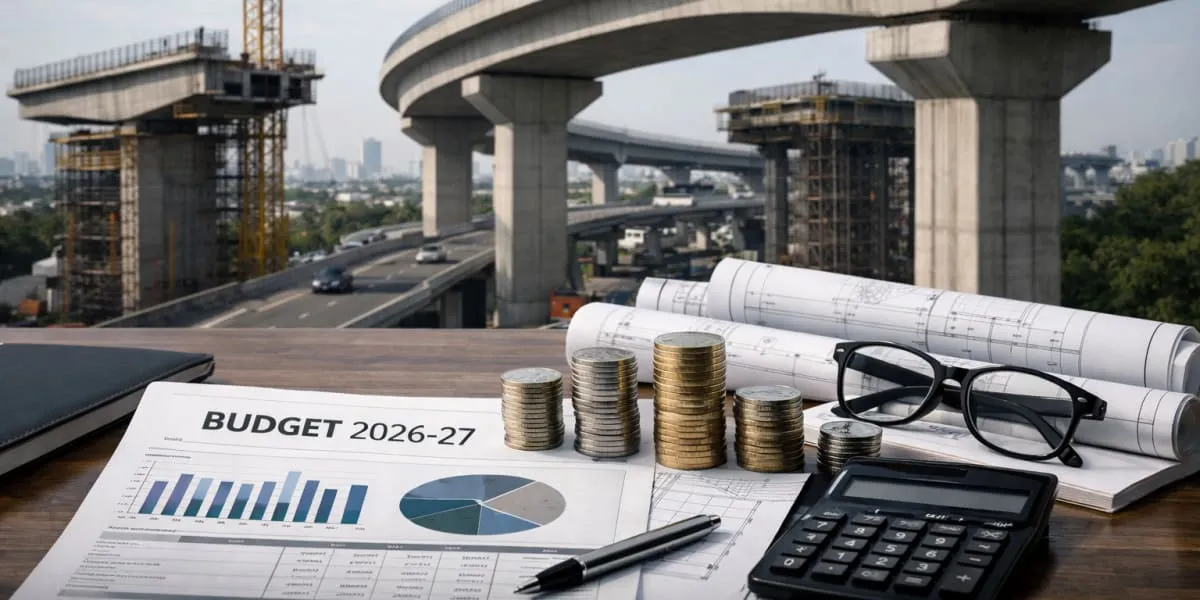
The Malkajgiri Municipal Corporation standing committee reviewed a budget of Rs 25,866.7 million (Rs 25,866.7 mn) for 2026–27 and considered 32 proposals at its sixth meeting chaired by Jayesh Ranjan, municipal administration and urban development special chief secretary. The session addressed roads, drainage, traffic infrastructure, sanitation and administrative matters. MMC commissioner T. Vinay Krishna Reddy, zonal commissioners and other officials attended and examined project scopes and funding sources.

Among transport measures, the committee evaluated a four?lane flyover at Anandnagar junction on the Nagole?Bandlaguda road and a six?lane grade separator crossing Hastinapuram, B.N. Reddynagar and Sagar Complex junctions, both proposed for HCITI funding. Drainage works discussed included a stormwater channel linking Nagireddy cheruvu and Kapra cheruvu in Yapral, a box drain at Kowkoor, development of Yapral junction and concrete cement roads, together with underground drainage pipelines across several colonies in the Nagole circle.

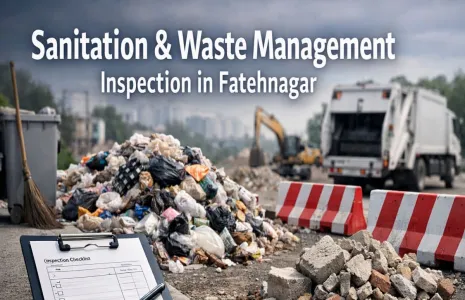
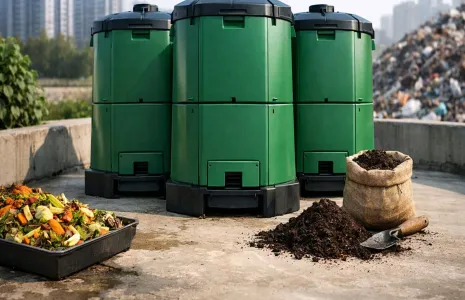
A substantial portion of the agenda focused on waste management under Swachh Bharat Mission (Urban) 2.0, with proposals for a 500 t per day construction and demolition waste processing plant, 15 material recovery facility centres, seven secondary collection transfer stations and nine electric mechanical road?sweeping machines. An integrated facility at Peerzadiguda was outlined to combine a solid waste transfer station, material recovery facility, refuse derived fuel plant, compost unit, bio?methanation or compressed niogas plant and a leachate treatment plant.

Additional recommendations included a sanitary landfill and aspirational toilets at nine locations, engagement of 30 National Academy of Construction engineers for the town planning wing for a year and wage revision for 223 outsourced workers in four circles of the LB Nagar zone to align with GHMC norms. The committee also considered handing maintenance of six parks across three zones to women’s self?help groups and forming a panel for compassionate appointments.

The Malkajgiri Municipal Corporation standing committee reviewed a budget of Rs 25,866.7 million (Rs 25,866.7 mn) for 2026–27 and considered 32 proposals at its sixth meeting chaired by Jayesh Ranjan, municipal administration and urban development special chief secretary. The session addressed roads, drainage, traffic infrastructure, sanitation and administrative matters. MMC commissioner T. Vinay Krishna Reddy, zonal commissioners and other officials attended and examined project scopes and funding sources. Among transport measures, the committee evaluated a four?lane flyover at Anandnagar junction on the Nagole?Bandlaguda road and a six?lane grade separator crossing Hastinapuram, B.N. Reddynagar and Sagar Complex junctions, both proposed for HCITI funding. Drainage works discussed included a stormwater channel linking Nagireddy cheruvu and Kapra cheruvu in Yapral, a box drain at Kowkoor, development of Yapral junction and concrete cement roads, together with underground drainage pipelines across several colonies in the Nagole circle. A substantial portion of the agenda focused on waste management under Swachh Bharat Mission (Urban) 2.0, with proposals for a 500 t per day construction and demolition waste processing plant, 15 material recovery facility centres, seven secondary collection transfer stations and nine electric mechanical road?sweeping machines. An integrated facility at Peerzadiguda was outlined to combine a solid waste transfer station, material recovery facility, refuse derived fuel plant, compost unit, bio?methanation or compressed niogas plant and a leachate treatment plant. Additional recommendations included a sanitary landfill and aspirational toilets at nine locations, engagement of 30 National Academy of Construction engineers for the town planning wing for a year and wage revision for 223 outsourced workers in four circles of the LB Nagar zone to align with GHMC norms. The committee also considered handing maintenance of six parks across three zones to women’s self?help groups and forming a panel for compassionate appointments.

Next Story
Infrastructure Urban

Centre Clears Power Distribution Upgrade for Uttar Pradesh

The Central Government has approved power distribution projects worth Rs 407.39 billion for Uttar Pradesh under the Revamped Distribution Sector Scheme (RDSS). The investment will be used to modernise the state's electricity distribution infrastructure and strengthen network capacity across urban and rural areas. The package targets one of the country's largest distribution networks as the state experiences rapid urbanisation and rising electricity consumption. Planned interventions include the strengthening of distribution lines, modernisation of substations, replacement of ageing electrical ..

Next Story
Infrastructure Energy

India Data Centres To Consume 191 TWh By 2040 Driving Renewables

A Wood Mackenzie report says India's operational data centre capacity is projected to increase more than fivefold to 12 gigawatt (GW) by 2030 from 2.2 GW in 2025 as artificial intelligence (AI) and cloud computing drive demand. It projects electricity consumption to rise from 10 terawatt-hour (TWh) in 2025 to 191 TWh by 2040. The study forecasts a compound annual growth rate of around 40 per cent and notes AI-dedicated capacity will surge nearly 24-fold from 275 megawatt (MW) in 2025 to 6,546 MW by 2030. The report places India's digital economy at Rs 32 trillion (tn) in 2025 and says it contr..

Next Story
Infrastructure Transport

Hydrogen Train Completes 1,200 Kilometres Of Trials

India's first hydrogen train was flagged off between Jind and Sonipat on July 17 and has travelled over 1,200 kilometres in trials, saving diesel consumption of more than 3,200 litres, a Railway Ministry press release said. The deployment marks the introduction of a zero-emission fuel cell train into route testing and represents a milestone in domestic rail innovation. The train generates electricity onboard through a chemical reaction between hydrogen and oxygen, producing electricity to propel the vehicle while emitting only water vapour as a by-product. There is no smoke and no tailpipe car..

Advertisement

Subscribe to Our Newsletter

Get daily newsletters around different themes from Construction world.

STAY CONNECTED

Advertisement

Advertisement

Advertisement