Mercedes-Benz May Raise Car Prices Quarterly in 2026
ECONOMY & POLICY

Mercedes-Benz May Raise Car Prices Quarterly in 2026

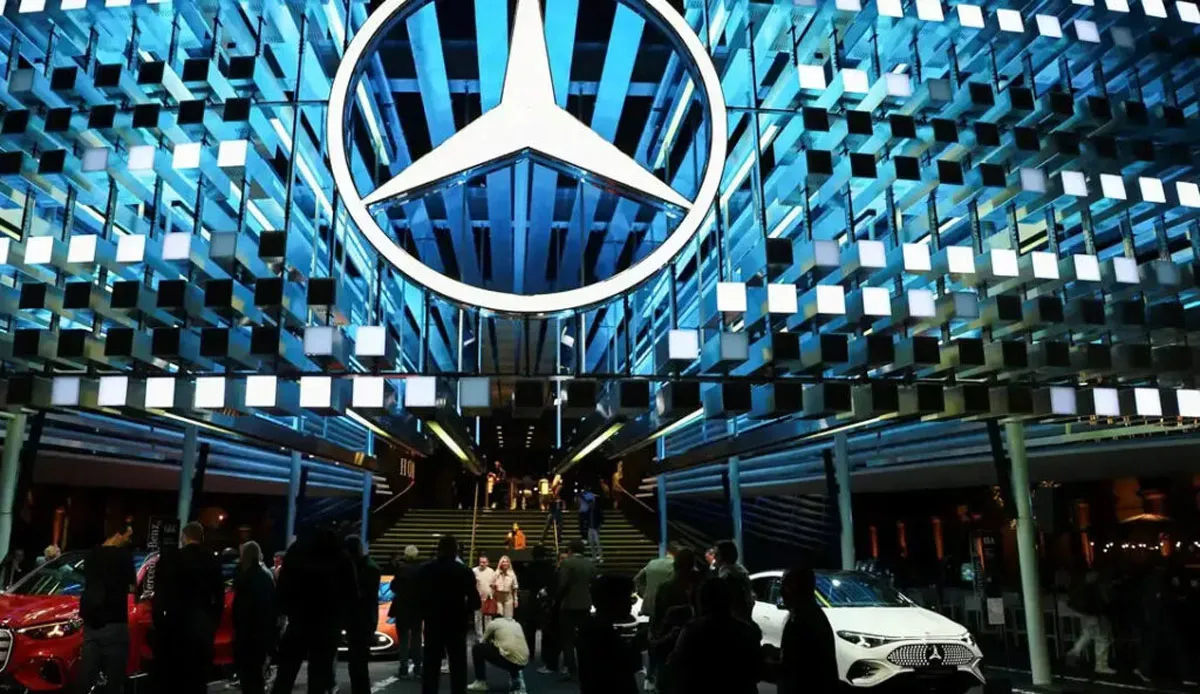
Mercedes-Benz India is considering quarterly price increases across its product portfolio in the next calendar year to offset the impact of the rupee’s depreciation against the euro, according to Managing Director and Chief Executive Officer Santosh Iyer.

The luxury carmaker has already announced a price hike of up to 2 per cent effective January 1, 2026. The move reflects sustained foreign exchange pressures, with the euro–rupee exchange rate remaining above the Rs 100 mark through 2025, well above historical averages.

Speaking on the sidelines of the FICCI Mercedes-Benz Bharat Innovation business ideas challenge programme launch, Iyer said the company is evaluating price hikes every quarter next year due to continued rupee weakness against the euro. He noted that around 18 months ago the exchange rate stood at about Rs 89 per euro, compared with nearly Rs 104–105 currently, translating into a depreciation of roughly 15–18 per cent.

While the January price increase has already been announced, Iyer indicated that further hikes would be required to absorb the full impact of currency depreciation. He added that there remains a gap of over 10–15 per cent between the effect of rupee depreciation and the price increases implemented so far.

To avoid a sharp impact on demand, the company plans to stagger the increases rather than implement a steep one-time adjustment. Although the exact quantum of quarterly hikes for 2026 has not been finalised, Iyer said each increase could be in the region of about 2 per cent.

Mercedes-Benz India is considering quarterly price increases across its product portfolio in the next calendar year to offset the impact of the rupee’s depreciation against the euro, according to Managing Director and Chief Executive Officer Santosh Iyer. The luxury carmaker has already announced a price hike of up to 2 per cent effective January 1, 2026. The move reflects sustained foreign exchange pressures, with the euro–rupee exchange rate remaining above the Rs 100 mark through 2025, well above historical averages. Speaking on the sidelines of the FICCI Mercedes-Benz Bharat Innovation business ideas challenge programme launch, Iyer said the company is evaluating price hikes every quarter next year due to continued rupee weakness against the euro. He noted that around 18 months ago the exchange rate stood at about Rs 89 per euro, compared with nearly Rs 104–105 currently, translating into a depreciation of roughly 15–18 per cent. While the January price increase has already been announced, Iyer indicated that further hikes would be required to absorb the full impact of currency depreciation. He added that there remains a gap of over 10–15 per cent between the effect of rupee depreciation and the price increases implemented so far. To avoid a sharp impact on demand, the company plans to stagger the increases rather than implement a steep one-time adjustment. Although the exact quantum of quarterly hikes for 2026 has not been finalised, Iyer said each increase could be in the region of about 2 per cent.

Next Story
Infrastructure Transport

NHAI gets SEBI nod for Raajmarg Infra InvIT

The National Highways Authority of India (NHAI) has received approval from the Securities and Exchange Board of India for its sponsored Raajmarg Infra Investment Trust (RIIT) to operate as a public Infrastructure Investment Trust (InvIT), marking a key milestone in its asset monetisation programme.The public InvIT is aimed at unlocking value from national highway assets while creating a long-term investment instrument targeted primarily at retail and domestic investors. NHAI said the move would broaden public participation in India’s highway infrastructure growth story and support sustainabl..

Next Story
Infrastructure Transport

Great Nicobar Airport to Boost Defence and Tourism

The government has begun work on a new airport at the southernmost tip of India on Great Nicobar Island, a move expected to significantly strengthen India’s defence preparedness while accelerating tourism-led development in the region, according to official documents accessed by ANI. The proposed airport will enable operations of larger military aircraft and sharply cut response times for defence forces in the Indian Ocean Region, a critical consideration for national security. The nearest major airport, Veer Savarkar International Airport in Port Blair, is located more than 500 kilometres ..

Next Story
Infrastructure Transport

Navi Mumbai Airport Opens for Commercial Operations

After decades of planning, the greenfield Navi Mumbai International Airport (NMIA) is set to commence commercial operations from Thursday, a milestone expected to cut travel time, boost tourism and attract large-scale investment across the Mumbai Metropolitan Region. The City and Industrial Development Corporation (CIDCO), the implementing agency for the project, said the airport will handle 30 air traffic movements, including arrivals and departures, on its first day of operations. The launch is expected to significantly ease congestion at the existing Mumbai international airport while esta..

Advertisement

Subscribe to Our Newsletter

Get daily newsletters around different themes from Construction world.

STAY CONNECTED

Advertisement

Advertisement

Advertisement

Advertisement

Open In App