+
MoTA Advances FRA Digitisation via Post-SIH Field Engagement
ECONOMY & POLICY

MoTA Advances FRA Digitisation via Post-SIH Field Engagement

Recently, the Ministry of Tribal Affairs (MoTA) advanced the development of an integrated, end-to-end digital platform for effective implementation and monitoring of the Forest Rights Act (FRA), 2006, through post–Smart India Hackathon (SIH) field engagement in Nashik, Maharashtra. The initiative forms part of the Ministry’s broader roadmap for digitisation, geospatial integration and data-driven decision-making in FRA governance.

Under the Software category of the Smart India Hackathon 2025, MoTA had proposed the development of an AI-powered FRA Atlas and a WebGIS-based Decision Support System (DSS) to enable integrated monitoring of Individual Forest Rights, Community Rights and Community Forest Resource rights. The solution is intended to support geotagging, convergence of records and improved transparency in FRA implementation.

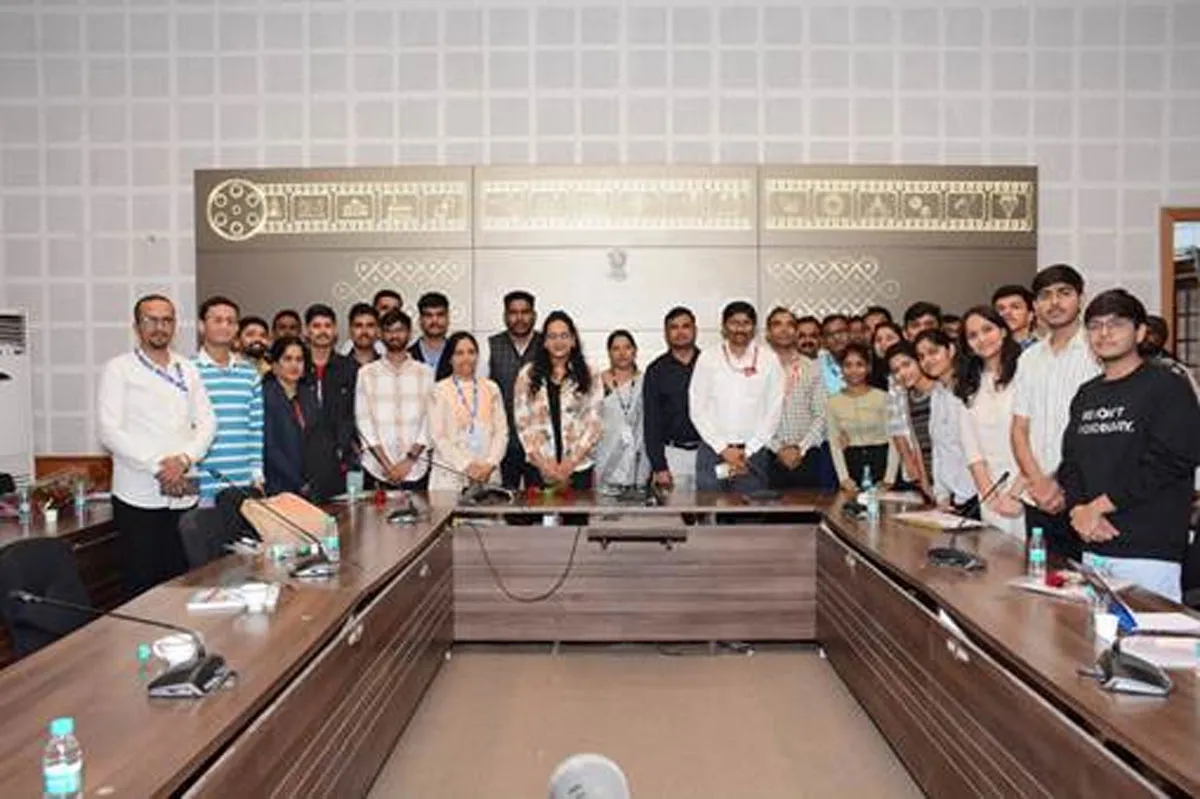
As part of post-hackathon engagement, a meeting was held at the Collector Office in Nashik, bringing together officials from MoTA, the Maharashtra State Tribal Development Department and participating student teams from Pune, Kurnool and Indore. During the session, the State Government demonstrated the Maharashtra FRA Portal, showcasing its functional architecture, implementation outcomes and best practices, including progress in recognising patta holders across the state.

To strengthen evidence-based platform design, a two-day field visit has been scheduled for the student teams to FRA-implemented villages in Nashik district. The exercise will involve interactions with Gram Sabha members and district-level officials to document ground-level workflows, data requirements and implementation challenges. These insights will feed into refining the AI-enabled FRA Atlas and WebGIS-based DSS.

Subsequently, the teams will participate in a two-day hackathon at the National Tribal Research Institute in New Delhi, where the functional design of the FRA web portal will be finalised under the guidance of the Secretary, Ministry of Tribal Affairs.

The post-SIH engagement underscores the Ministry’s commitment to translating FRA digitisation policy into field-validated digital solutions, aligned with inclusive growth objectives and the broader vision of empowering tribal communities through technology-enabled governance.

Recently, the Ministry of Tribal Affairs (MoTA) advanced the development of an integrated, end-to-end digital platform for effective implementation and monitoring of the Forest Rights Act (FRA), 2006, through post–Smart India Hackathon (SIH) field engagement in Nashik, Maharashtra. The initiative forms part of the Ministry’s broader roadmap for digitisation, geospatial integration and data-driven decision-making in FRA governance. Under the Software category of the Smart India Hackathon 2025, MoTA had proposed the development of an AI-powered FRA Atlas and a WebGIS-based Decision Support System (DSS) to enable integrated monitoring of Individual Forest Rights, Community Rights and Community Forest Resource rights. The solution is intended to support geotagging, convergence of records and improved transparency in FRA implementation. As part of post-hackathon engagement, a meeting was held at the Collector Office in Nashik, bringing together officials from MoTA, the Maharashtra State Tribal Development Department and participating student teams from Pune, Kurnool and Indore. During the session, the State Government demonstrated the Maharashtra FRA Portal, showcasing its functional architecture, implementation outcomes and best practices, including progress in recognising patta holders across the state. To strengthen evidence-based platform design, a two-day field visit has been scheduled for the student teams to FRA-implemented villages in Nashik district. The exercise will involve interactions with Gram Sabha members and district-level officials to document ground-level workflows, data requirements and implementation challenges. These insights will feed into refining the AI-enabled FRA Atlas and WebGIS-based DSS. Subsequently, the teams will participate in a two-day hackathon at the National Tribal Research Institute in New Delhi, where the functional design of the FRA web portal will be finalised under the guidance of the Secretary, Ministry of Tribal Affairs. The post-SIH engagement underscores the Ministry’s commitment to translating FRA digitisation policy into field-validated digital solutions, aligned with inclusive growth objectives and the broader vision of empowering tribal communities through technology-enabled governance.

Next Story
Infrastructure Transport

Second Mountain Tunnel Breakthrough in Palghar Advances High Speed Rail

The Mumbai-Ahmedabad high speed rail (MAHSR) project reached a milestone with the breakthrough of a mountain tunnel in Palghar, Maharashtra. Mountain tunnel MT-six measures 454 metres long and 14.4 metres wide and will accommodate up and down tracks. The breakthrough follows MT-five near Saphale on second January 2026 and the MT-six excavation was completed from both ends using the New Austrian Tunnelling Method. The ministry reported that the tunnelling was completed within 12 months. The New Austrian Tunnelling Method is favoured for its flexibility in complex geology and irregular tunnel s..

Next Story
Infrastructure Transport

Modi Government Pushes Atmanirbhar Container Drive With BCSL MoU

The Union Government advanced a plan to create an integrated, domestically anchored container ecosystem with the signing of a Memorandum of Understanding to establish the Bharat Container Shipping Line (BCSL). The MoU was signed by key agencies including the Shipping Corporation of India and Container Corporation of India alongside major port authorities and Sagarmala Finance Corporation Limited under the Ministry of Ports, Shipping and Waterways, in the presence of senior ministers. The initiative aligns with the Container Manufacturing Assistance Scheme announced in the Union Budget 2026–2..

Next Story
Infrastructure Urban

Ministry Reports Gains In Mobility For Marginalised Communities

The Ministry of Social Justice and Empowerment is implementing skill development, education and rehabilitation schemes to promote socio-economic mobility and sustainable livelihoods for marginalised and disadvantaged communities across the country. Programmes target Scheduled Castes, Other Backward Classes, Economically Weaker Sections, De-notified Tribes and Safai Karamcharis through specialised implementing corporations and empanelled training institutes. Pradhan Mantri Dakshata Aur Kushalta Sampann Hitgrahi Yojana, or PM-DAKSH, provided skill training and placement support through the Nati..

Advertisement

Subscribe to Our Newsletter

Get daily newsletters around different themes from Construction world.

STAY CONNECTED

Advertisement

Advertisement

Advertisement

Open In App