RBI, ESMA Sign MoU On Clearing Corporation Recognition
ECONOMY & POLICY

RBI, ESMA Sign MoU On Clearing Corporation Recognition

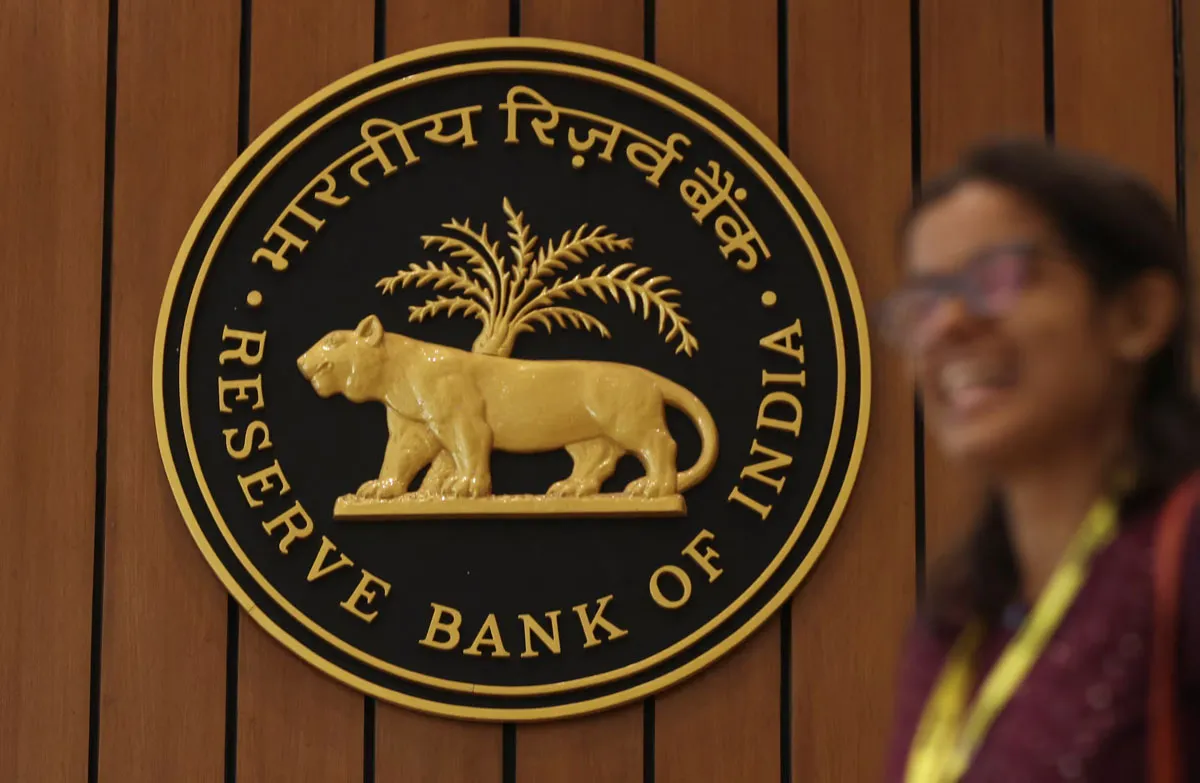
With the approval of the Union Cabinet, the Reserve Bank of India has signed a Memorandum of Understanding with the European Securities and Markets Authority during the visit of the President of the European Council and the President of the European Commission to India on January 27, 2026.

The primary objective of the MoU is to facilitate the formal recognition of the Clearing Corporation of India Ltd. and other central counterparties regulated by the RBI by ESMA. Such recognition is expected to strengthen cross-border financial market linkages and enhance the global standing of India’s clearing infrastructure.

The MoU reflects a statement of intent between the RBI and ESMA regarding cooperation on regulatory and supervisory practices for the covered central counterparties. Under the arrangement, the two authorities will consult, cooperate and exchange information on the supervision of these entities and on monitoring their compliance with recognition requirements, to the extent permitted by applicable laws and regulations.

As part of this framework, ESMA will rely, where appropriate, on the regulatory and supervisory regime of the RBI, while acknowledging that the RBI remains fully accountable in India for ensuring the resilience and stability of the covered central counterparties under its oversight.

The MoU does not create legally binding obligations, confer enforceable rights or override domestic laws in either jurisdiction. It has come into effect from the date of signing and will remain operative for an indefinite period.

The agreement is seen as an important step in deepening financial cooperation between India and the European Union, supporting greater integration of financial markets and smoother cross-border participation.

With the approval of the Union Cabinet, the Reserve Bank of India has signed a Memorandum of Understanding with the European Securities and Markets Authority during the visit of the President of the European Council and the President of the European Commission to India on January 27, 2026. The primary objective of the MoU is to facilitate the formal recognition of the Clearing Corporation of India Ltd. and other central counterparties regulated by the RBI by ESMA. Such recognition is expected to strengthen cross-border financial market linkages and enhance the global standing of India’s clearing infrastructure. The MoU reflects a statement of intent between the RBI and ESMA regarding cooperation on regulatory and supervisory practices for the covered central counterparties. Under the arrangement, the two authorities will consult, cooperate and exchange information on the supervision of these entities and on monitoring their compliance with recognition requirements, to the extent permitted by applicable laws and regulations. As part of this framework, ESMA will rely, where appropriate, on the regulatory and supervisory regime of the RBI, while acknowledging that the RBI remains fully accountable in India for ensuring the resilience and stability of the covered central counterparties under its oversight. The MoU does not create legally binding obligations, confer enforceable rights or override domestic laws in either jurisdiction. It has come into effect from the date of signing and will remain operative for an indefinite period. The agreement is seen as an important step in deepening financial cooperation between India and the European Union, supporting greater integration of financial markets and smoother cross-border participation.

Next Story
Real Estate

Union Budge: Infra-Led Urban Shift

The Union Budget FY27 reinforces infrastructure-led urbanisation as the backbone of India’s real estate and housing growth. Higher public capital expenditure, City Economic Regions, risk-mitigation mechanisms and REIT-led asset monetisation are being widely viewed as long-term enablers, even as the industry continues to seek sharper supply-side reforms and affordability-focused measures. Here are a few industry insights:Dr Niranjan Hiranandani, Chairman, NAREDCO & Hiranandani Group“The Union Budget 2026-27 is growth-oriented and stability-focused, supporting consumption and aiming to s..

Next Story
Infrastructure Urban

Budget 2026 Charts Path for Infrastructure-Led, Tech-Driven Growth

The Union Budget 2026–27 signals strong continuity in India’s macroeconomic strategy, anchored in elevated public capital expenditure, fiscal discipline, and a sharper focus on manufacturing, infrastructure, and regional development. With capital outlay pegged at ₹12.2 lakh crore and a fiscal deficit target of around 4.3 per cent, the Budget balances growth ambition with stability, offering long-term visibility to investors and project developers.A dominant theme is the centrality of infrastructure as a multiplier for economic expansion. Public capex now accounts for over 3.3 per cent of..

Next Story
Infrastructure Energy

Tata Power Arm Crosses 10 GW EPC Milestone

Tata Power Renewable Energy Ltd (TPREL) has achieved a major milestone by executing 10 gigawatts of engineering, procurement and construction (EPC) renewable energy projects to date, reinforcing its position in India’s clean energy infrastructure sector. According to the company, the executed portfolio comprises 4.2 gigawatts of in-house projects and 5.8 gigawatts of third-party projects. Of the total 10 gigawatts commissioned so far, 9.7 gigawatts are solar projects and 290 megawatts are wind projects. In the first nine months of FY26, TPREL commissioned 1.88 gigawatts of EPC renewable en..

Advertisement

Subscribe to Our Newsletter

Get daily newsletters around different themes from Construction world.

STAY CONNECTED

Advertisement

Advertisement

Advertisement

Advertisement

Open In App