+
Russia Ready To Supply As Much Oil As India Needs
ECONOMY & POLICY

Russia Ready To Supply As Much Oil As India Needs

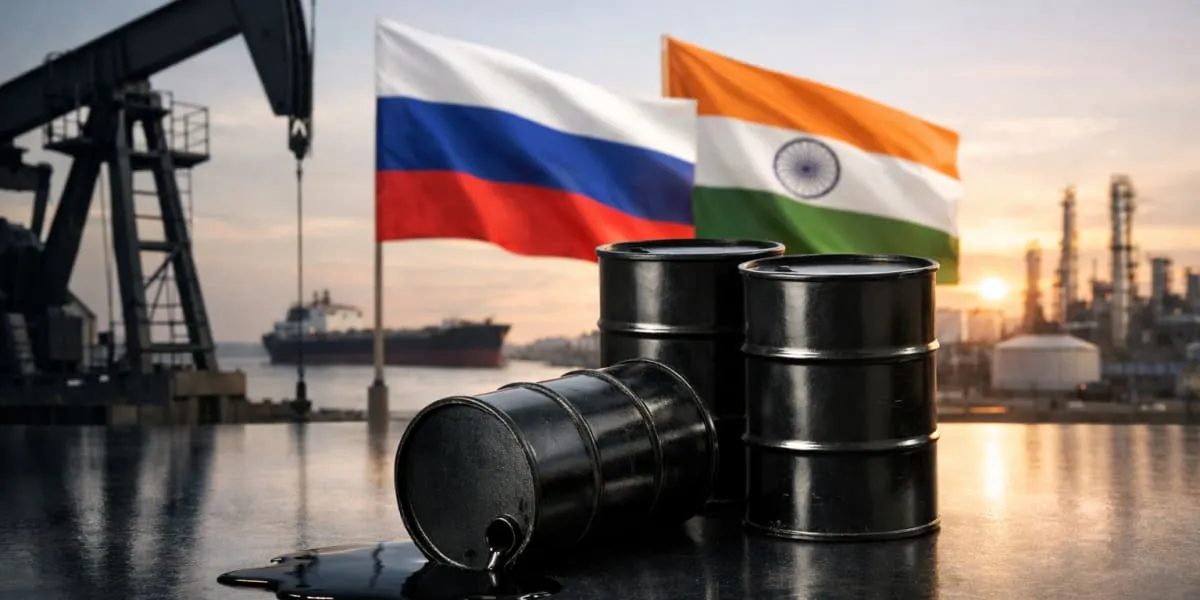
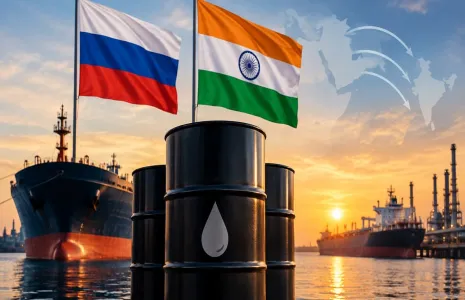
Russia has said it is prepared to continue supplying India with as much crude oil as the country requires, and the Russian ambassador to India criticised what he described as pressure tactics by the United States. He argued that sanctions and tariffs were being used instead of cooperation and that this approach prevented those imposing such measures from offering India a better deal on oil than Moscow. The envoy underlined Moscow's readiness to keep supplies flowing while New Delhi pursued its energy needs.

The remarks followed a US decision to impose a 50 per cent tariff on India over its purchase of Russian oil and a Senate bill that has proposed tariffs of up to 100 per cent on the largest buyers of Russian crude and natural gas. He warned that the removal of Russian crude from global markets would be difficult for the world energy system to absorb and that such disruptions could have wide repercussions. He noted that India, China and Turkey could be among those affected by the proposed measures.

The ambassador said Russian oil would remain available to India and other countries and that Moscow was interested in supplying oil while India remained interested in purchasing it. He emphasised that energy trade was driven by demand and long term contracts rather than political pressure, and he framed continued commercial ties as a pragmatic response to market realities. He also pointed to India's demonstrated ability to protect its national interests and to stand its ground amid external pressure.

India has maintained that it will continue to prioritise the energy requirements of its population amid the prevailing conditions in global energy markets and will take decisions accordingly. Observers said the interplay of tariffs, diplomatic exchanges and market responses will shape the short to medium term outlook for energy flows and trade relations. The diplomatic tone and commercial assurances indicate that exchanges between the capitals and market actors are likely to continue as stakeholders assess supply options.

Russia has said it is prepared to continue supplying India with as much crude oil as the country requires, and the Russian ambassador to India criticised what he described as pressure tactics by the United States. He argued that sanctions and tariffs were being used instead of cooperation and that this approach prevented those imposing such measures from offering India a better deal on oil than Moscow. The envoy underlined Moscow's readiness to keep supplies flowing while New Delhi pursued its energy needs. The remarks followed a US decision to impose a 50 per cent tariff on India over its purchase of Russian oil and a Senate bill that has proposed tariffs of up to 100 per cent on the largest buyers of Russian crude and natural gas. He warned that the removal of Russian crude from global markets would be difficult for the world energy system to absorb and that such disruptions could have wide repercussions. He noted that India, China and Turkey could be among those affected by the proposed measures. The ambassador said Russian oil would remain available to India and other countries and that Moscow was interested in supplying oil while India remained interested in purchasing it. He emphasised that energy trade was driven by demand and long term contracts rather than political pressure, and he framed continued commercial ties as a pragmatic response to market realities. He also pointed to India's demonstrated ability to protect its national interests and to stand its ground amid external pressure. India has maintained that it will continue to prioritise the energy requirements of its population amid the prevailing conditions in global energy markets and will take decisions accordingly. Observers said the interplay of tariffs, diplomatic exchanges and market responses will shape the short to medium term outlook for energy flows and trade relations. The diplomatic tone and commercial assurances indicate that exchanges between the capitals and market actors are likely to continue as stakeholders assess supply options.

Related Stories

Gold Stories

Next Story
Building Material

Aditya Birla Group Launches Ultravolt Wires And Cables Business

Aditya Birla Group has entered the wires and cables market through Ultravolt, extending UltraTech's move from building materials into building solutions. The shift builds on UltraTech Building Solutions, a multi-category platform that already addresses customers across different stages of construction and extends beyond cement into ready-mix concrete, waterproofing, tile-fixing solutions and mortars. The company intends to enter with scale, seeking presence across 100,000 retailers in more than 500 districts and availability through 5,000 plus UltraTech Building Solutions (UBS) outlets. The po..

Next Story
Infrastructure Transport

Tamil Nadu Shortlists Two Sites For Second Chennai Airport

The Tamil Nadu government has shortlisted two sites near Chennai for a proposed second airport, and officials have submitted the findings of a preliminary study to the Airports Authority of India (AAI). The locations are Cheyyur in Chengalpattu district, about 100 km south of Chennai, and Manellore near Gummidipundi in Tiruvallur district, about 50 km north-northwest of the city. Both sites were identified within a week after the administration decided to drop the earlier Parandur plan on environmental grounds. State officials recommended that the AAI carry out feasibility studies and indicate..

Next Story
Infrastructure Urban

Hyundai Motor India Targets 30 Per Cent Rural Sales

Hyundai Motor India Ltd expects rural markets to account for 30 per cent of its total sales within three to four years, the managing director and chief executive officer Tarun Garg said. The company is planning two new products in the segment, a mid-size sport utility vehicle and a compact electric sport utility vehicle, which are expected to support the push into smaller towns and villages. HMIL is intensifying its rural focus through network expansion and targeted aftersales services. In the first quarter of the fiscal year, rural contribution reached 25.9 per cent, up from 22.6 per cent in ..

Advertisement

Subscribe to Our Newsletter

Get daily newsletters around different themes from Construction world.

STAY CONNECTED

Advertisement

SPECIAL OFFER
QR Code