

Russia Says India’s Oil Imports Dip Will Be Brief
OIL & GAS

Russia Says India’s Oil Imports Dip Will Be Brief

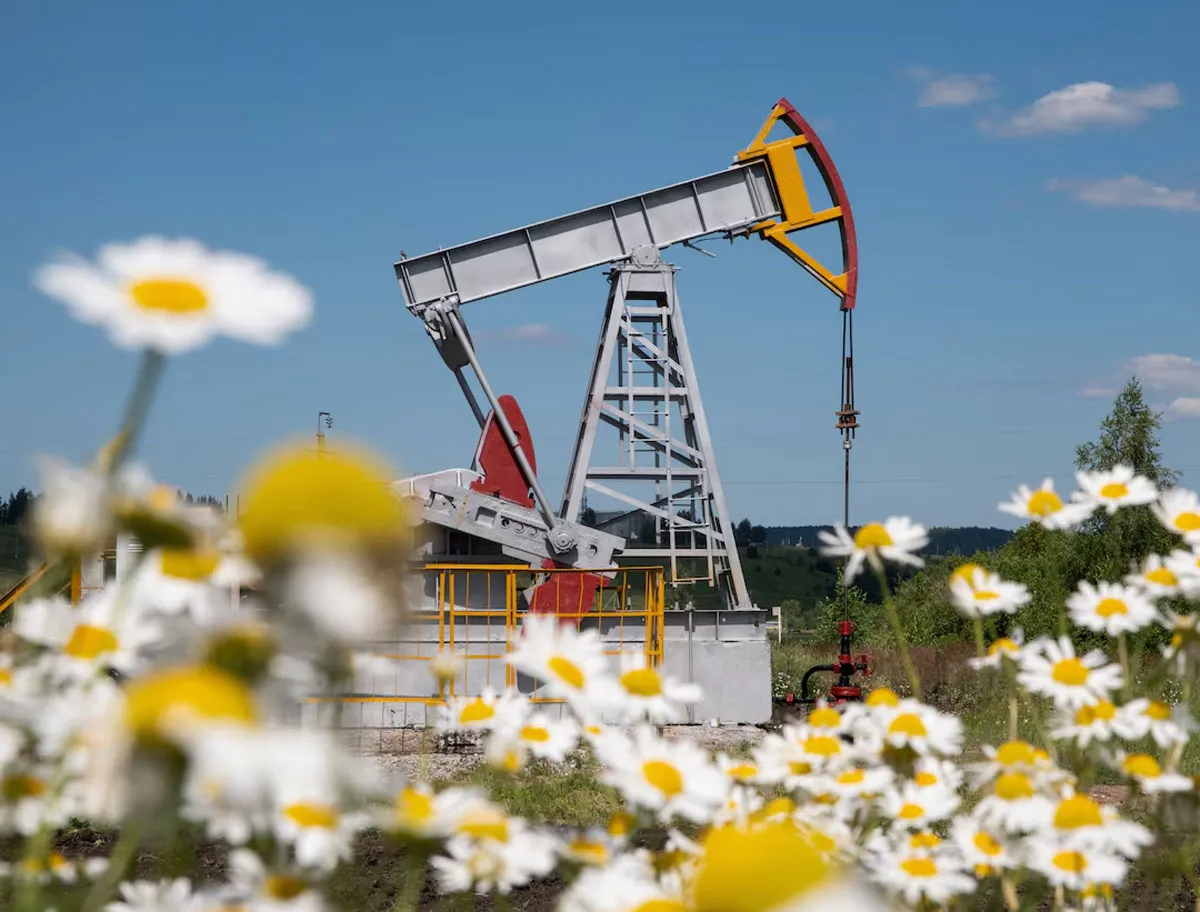
India’s imports of Russian oil may fall only for “a brief period” as Moscow plans to increase supplies using advanced methods to offset Western sanctions, Kremlin spokesperson Dmitry Peskov said on Tuesday.

His comments come ahead of President Vladimir Putin’s two-day visit to New Delhi from Thursday, as Russia seeks to reinforce defence and energy ties. India, Russia’s largest buyer of seaborne crude, is expected to reduce imports this month to their lowest level in at least three years amid tightening US sanctions on key Russian producers, including Rosneft and Lukoil.

“There can be, for a very brief period of time, insignificant decreases in the volume of oil trade,” Peskov told Indian journalists during a video interaction organised by Russia’s Sputnik news agency. He stressed that Russia remains India’s top oil supplier and has long experience operating under what he described as “illegal sanctions”.

Peskov said Moscow is working to create the “necessary environment” for buyers seeking Russian oil and will continue to refine its technological solutions to mitigate the impact of sanctions. He added that trade between the two nations must be protected from pressure by third countries, with payment mechanisms set to feature prominently in talks between the leaders.

Several Indian refiners — including Mangalore Refinery and Petrochemicals Ltd, Hindustan Petroleum Corp and HPCL-Mittal Energy Ltd — have halted purchases of Russian crude. State-run Indian Oil Corp has placed orders from non-sanctioned suppliers, while Bharat Petroleum Corp is in advanced negotiations for imports.

Nayara Energy, partly owned by Rosneft, continues to process only Russian oil after other suppliers withdrew due to UK and EU sanctions. Russia is urging India to support Nayara to maintain local sales and operational capacity.

Reliance Industries Ltd, previously Russia’s biggest Indian customer, has said it loaded Russian cargoes “precommitted” by 22 October and will refine any arriving after 20 November at its domestic-focused facility.

India’s imports of Russian oil may fall only for “a brief period” as Moscow plans to increase supplies using advanced methods to offset Western sanctions, Kremlin spokesperson Dmitry Peskov said on Tuesday. His comments come ahead of President Vladimir Putin’s two-day visit to New Delhi from Thursday, as Russia seeks to reinforce defence and energy ties. India, Russia’s largest buyer of seaborne crude, is expected to reduce imports this month to their lowest level in at least three years amid tightening US sanctions on key Russian producers, including Rosneft and Lukoil. “There can be, for a very brief period of time, insignificant decreases in the volume of oil trade,” Peskov told Indian journalists during a video interaction organised by Russia’s Sputnik news agency. He stressed that Russia remains India’s top oil supplier and has long experience operating under what he described as “illegal sanctions”. Peskov said Moscow is working to create the “necessary environment” for buyers seeking Russian oil and will continue to refine its technological solutions to mitigate the impact of sanctions. He added that trade between the two nations must be protected from pressure by third countries, with payment mechanisms set to feature prominently in talks between the leaders. Several Indian refiners — including Mangalore Refinery and Petrochemicals Ltd, Hindustan Petroleum Corp and HPCL-Mittal Energy Ltd — have halted purchases of Russian crude. State-run Indian Oil Corp has placed orders from non-sanctioned suppliers, while Bharat Petroleum Corp is in advanced negotiations for imports. Nayara Energy, partly owned by Rosneft, continues to process only Russian oil after other suppliers withdrew due to UK and EU sanctions. Russia is urging India to support Nayara to maintain local sales and operational capacity. Reliance Industries Ltd, previously Russia’s biggest Indian customer, has said it loaded Russian cargoes “precommitted” by 22 October and will refine any arriving after 20 November at its domestic-focused facility.

Next Story
Real Estate

RBI Rate Cut Boosts Confidence Across Housing Market

Industry Context and Market DynamicsThe real estate industry has welcomed the RBI’s rate cut as a timely boost to affordability and demand. With home prices having risen steadily across major markets, even a marginal reduction in interest rates meaningfully strengthens purchasing power, especially for first-time and mid-income buyers.Ashish Jerath, President – Sales & Marketing, Smartworld Developers, observes:“The RBI’s 25-basis-point cut, bringing the repo rate down to 5.25%, is a timely boost for the real estate sector. Lower interest rates reduce borrowing costs, enabling homeb..

Next Story
Infrastructure Transport

BMC Resumes Rs 170 Billion Road Works, Targets 80 per cent By Jan 2026

Following the withdrawal of the southwest monsoon in October, the Brihanmumbai Municipal Corporation (BMC) has restarted work on 645 roads—covering 297.49 kilometres—under its large-scale concretisation programme. Data shows that more than 60 per cent of the resumed works are located in the western suburbs. Officials said the civic body aims to complete concretisation on 80 per cent of the roads where fresh work has begun by January 2026. Launched in 2022, the Rs 170 billion project seeks to concretise 700 kilometres of roads across Mumbai. All civil works were halted during the monsoon ..

Next Story
Infrastructure Urban

India Pushes Digital Shift In Urban Land Mapping

The Department of Land Resources (DoLR) under the Ministry of Rural Development has convened a National Symposium on NAKSHA – the National Geospatial Knowledge-based Land Survey of Urban Habitations – to advance India’s transition to modern, technology-driven land mapping. Speaking at the inaugural session, Secretary Manoj Joshi underscored the urgent need to move revenue departments away from outdated, tape-based methods and rough hand-drawn sketches. He stressed that adopting latitude–longitude-based digital mapping and GIS-linked registration systems is essential for economic stabi..

Advertisement

Subscribe to Our Newsletter

Get daily newsletters around different themes from Construction world.

STAY CONNECTED

Advertisement

Advertisement

Advertisement

Advertisement

Open In App