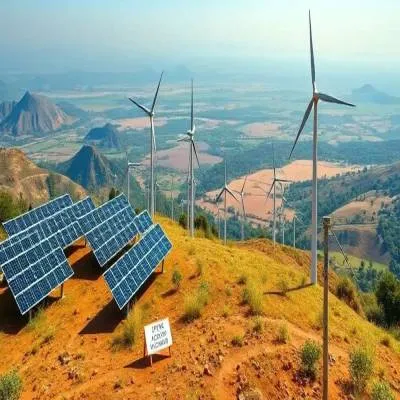
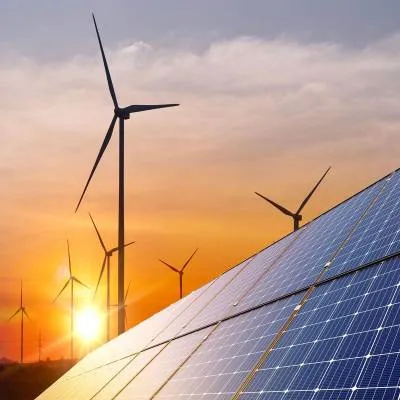
India has emerged as a global example of climate responsibility even as the world grapples with trade tensions and shifting ESG regulations. By 2024, the country had reduced its greenhouse gas (GHG) intensity by 39 per cent from 2005 levels, moving strongly towards its Nationally Determined Contribution (NDC) target of a 45 per cent reduction by 2030. Projections suggest India may achieve a 48–57 per cent reduction by 2030, surpassing its commitment. By mid-2025, non-fossil sources accounted for more than 50 per cent of installed energy capacity — five years ahead of schedule — and India appears on track to exceed its 2030 target of 500 gigawatts of non-fossil capacity. The Carbon Credit Trading Scheme (CCTS), notified in June and set to go live in 2026, is expected to deepen accountability across high-emission sectors and accelerate business-led decarbonisation.
India is simultaneously shaping global clean-energy collaboration. The International Solar Alliance (ISA), co-founded by India, is promoting solar adoption across the Global South and reinforcing the nation’s commitment to an inclusive, sustainable energy future.
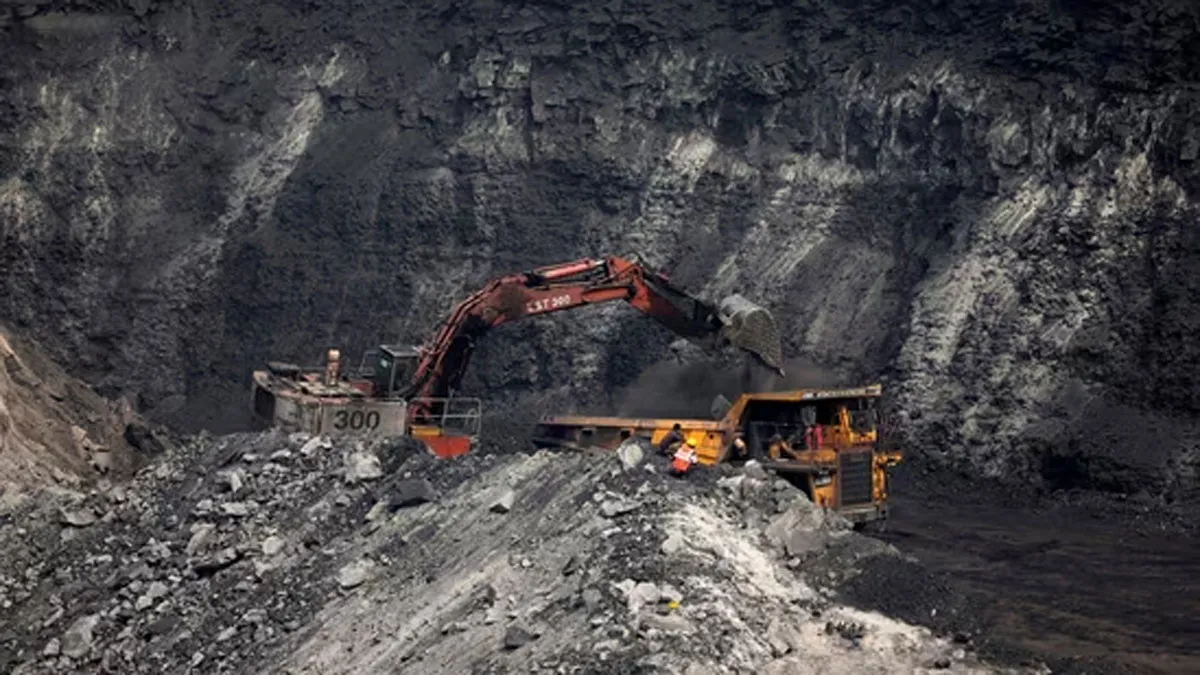
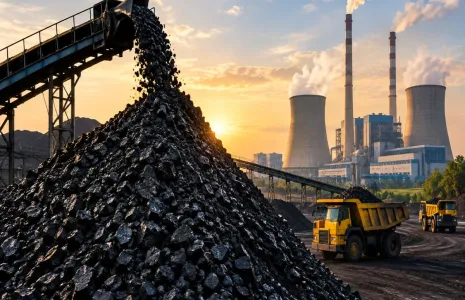
Alongside its climate progress, India is taking a pragmatic approach to coal capacity. In March, the country achieved a record one billion tonnes of coal production in a single fiscal year — a milestone that drew predictable criticism from some developed nations. These critiques overlook India’s strategic balancing of decarbonisation, development and energy security as it advances towards its Viksit Bharat 2047 goal. With ambitions for a US$ 30 trillion economy, India’s energy demand could reach nearly 35,000 trillion watthours, almost triple current levels. While renewable energy offers significant potential, mineral supply chains required for solar, wind and storage technologies remain highly concentrated, particularly in China, which processes nearly 60 per cent of the world’s 17 critical minerals.
Even advanced economies are hedging their energy transitions. Germany signed a Joint Declaration with Canada in August to develop LNG supply options and later agreed with the European Commission to build 12.5 gigawatts of gas-fired plants to safeguard near-term power needs. Major economies remain cautious about relying solely on renewables.
Coal remains central to India’s fuel mix, much like gas for the United States or critical minerals for China. As of 2024, India’s untapped coal and lignite reserves stood at about 430 billion tonnes, with less than 5 per cent mined to date — far below the 15–20 per cent extracted in China and 6–8 per cent in Australia. Developing an additional 5 per cent of reserves over the next decade could save India 13 billion tonnes of oil equivalent, equivalent to around US$ 6 trillion in avoided fuel imports. The nation auctioned nearly four billion tonnes of coal geological reserves in 2024 and expanded auctions in October 2025 — decisions grounded in strategic and economic logic.
Coal is undeniably emissions-intensive, releasing 50–80 per cent more GHG emissions than other fossil fuels for the same output. Long plant life cycles of 40–60 years risk locking in emissions beyond 2060, complicating India’s 2070 net-zero commitment. Early retirement would create substantial stranded assets. Here, Carbon Capture, Utilisation and Storage (CCUS) offers a pragmatic solution. The technology captures carbon dioxide for underground storage or repurposes it for industrial applications such as sustainable aviation fuel, methanol, blue hydrogen, soda ash and recycled concrete. NTPC, IOCL, GAIL and Tata Steel have already demonstrated CCUS viability in operational settings.
Currently, CCUS costs exceed US$ 50 per tonne of carbon dioxide captured. With India’s carbon market launching in 2026, prices are expected to range between US$ 20–30 per tonne. Bringing CCUS costs into this band will be essential for commercial adoption. Government incentives similar to those under the National Hydrogen Mission may help. A dedicated CCUS mission is being planned to establish India as a global hub for capture technology, utilisation and industrial derivatives. Proposed measures include tax incentives, concessional finance and the creation of CCUS industrial clusters co-locating coal plants, cement and steel units with downstream chemical and fertiliser facilities — a model that reduces logistical costs, supports modular investments and accelerates technology learning curves.
India must carefully balance its Viksit Bharat 2047 development agenda with climate commitments. By strategically leveraging its coal reserves alongside CCUS, the nation can move toward a net-zero future while safeguarding energy security and economic growth.