SHANTI Bill Among Modi Govt’s Biggest Science Reforms: Singh
ECONOMY & POLICY

SHANTI Bill Among Modi Govt’s Biggest Science Reforms: Singh

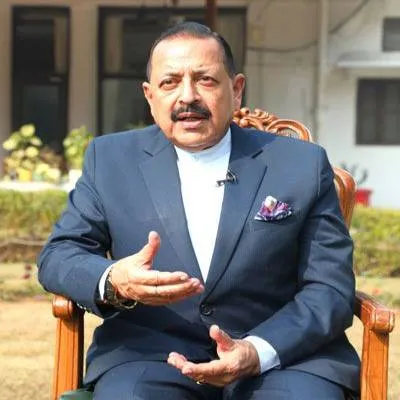
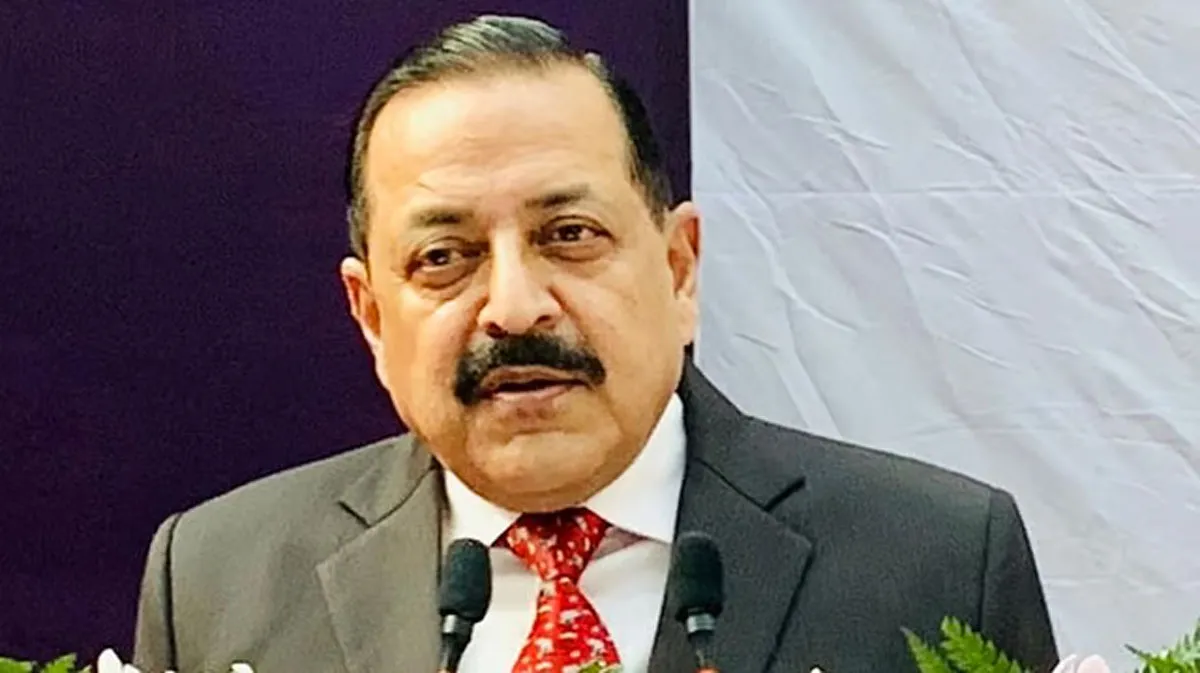
Union Minister for Science and Technology Dr Jitendra Singh on Sunday described the SHANTI Bill as one of the most significant science reforms undertaken by the Modi government, saying India’s long-term socio-economic future will increasingly be shaped by advances in science and technology rather than only welfare and governance measures.

Addressing the media, Dr Singh said Prime Minister Narendra Modi’s third term is defined by bold, structural reforms centred on science, innovation and entrepreneurship. Referring to the SHANTI Bill, he said it marks a decisive shift by placing science-led reform at the heart of national transformation, calling it among the most consequential reforms of the Modi administration.

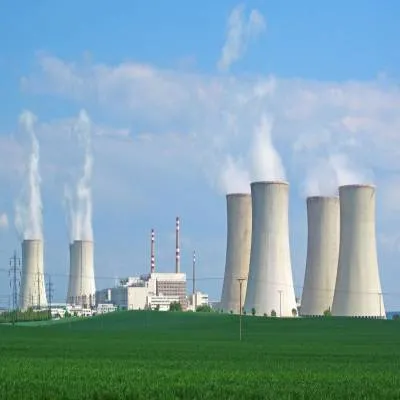
He noted that while earlier reform phases were driven by major political and strategic decisions, Modi 3.0 stands out for dismantling long-standing barriers in sectors critical to India’s technological and economic future. The SHANTI Bill, he said, represents a historic reform of the nuclear sector, unlocking its potential for peaceful, clean and sustainable energy while maintaining uncompromising standards of safety, sovereignty and public interest.

Dr Singh stressed that such reform had been unthinkable for more than six decades and was made possible by the Prime Minister’s willingness to challenge legacy taboos and align national policy with global best practices. Reiterating India’s commitment to the peaceful use of nuclear energy, he recalled that since the era of Dr Homi Bhabha, India’s nuclear programme has been geared towards development, healthcare and energy security. The SHANTI Bill reinforces this vision by enabling civilian applications such as clean power generation, medical use and advanced research, while explicitly ruling out military use.

Highlighting the role of nuclear energy in an emerging AI-, quantum- and data-driven economy, the Minister said it offers reliable, round-the-clock power unlike intermittent renewable sources. As India reduces its dependence on fossil fuels and coal, nuclear power will be critical in supporting advanced technologies, digital infrastructure and strategic sectors.

Dr Singh pointed out that India’s nuclear power capacity has doubled from around 4.4 GW in 2014 to nearly 8.7 GW today, with plans to scale it up to about 100 GW by 2047. This expansion would enable nuclear energy to meet close to 10 per cent of India’s electricity requirements, supporting the country’s Net Zero goals.

He also highlighted the growing contribution of nuclear science to healthcare, particularly in cancer diagnosis and treatment through nuclear medicine and isotopes, underlining its importance for public welfare.

Looking ahead, the Minister said India is moving towards Small Modular Reactors, which are well suited for dense urban centres, industrial corridors and emerging economic zones. These are expected to strengthen energy security while ensuring environmental responsibility.

Dr Singh added that the SHANTI Bill has received wide acceptance from the scientific community, industry, start-ups and the broader innovation ecosystem, reflecting a strong national consensus on modernising India’s nuclear sector. He concluded that the Bill exemplifies Modi 3.0’s reform-first approach, with science-driven policy guiding India’s journey towards becoming a developed nation by 2047.

Union Minister for Science and Technology Dr Jitendra Singh on Sunday described the SHANTI Bill as one of the most significant science reforms undertaken by the Modi government, saying India’s long-term socio-economic future will increasingly be shaped by advances in science and technology rather than only welfare and governance measures. Addressing the media, Dr Singh said Prime Minister Narendra Modi’s third term is defined by bold, structural reforms centred on science, innovation and entrepreneurship. Referring to the SHANTI Bill, he said it marks a decisive shift by placing science-led reform at the heart of national transformation, calling it among the most consequential reforms of the Modi administration. He noted that while earlier reform phases were driven by major political and strategic decisions, Modi 3.0 stands out for dismantling long-standing barriers in sectors critical to India’s technological and economic future. The SHANTI Bill, he said, represents a historic reform of the nuclear sector, unlocking its potential for peaceful, clean and sustainable energy while maintaining uncompromising standards of safety, sovereignty and public interest. Dr Singh stressed that such reform had been unthinkable for more than six decades and was made possible by the Prime Minister’s willingness to challenge legacy taboos and align national policy with global best practices. Reiterating India’s commitment to the peaceful use of nuclear energy, he recalled that since the era of Dr Homi Bhabha, India’s nuclear programme has been geared towards development, healthcare and energy security. The SHANTI Bill reinforces this vision by enabling civilian applications such as clean power generation, medical use and advanced research, while explicitly ruling out military use. Highlighting the role of nuclear energy in an emerging AI-, quantum- and data-driven economy, the Minister said it offers reliable, round-the-clock power unlike intermittent renewable sources. As India reduces its dependence on fossil fuels and coal, nuclear power will be critical in supporting advanced technologies, digital infrastructure and strategic sectors. Dr Singh pointed out that India’s nuclear power capacity has doubled from around 4.4 GW in 2014 to nearly 8.7 GW today, with plans to scale it up to about 100 GW by 2047. This expansion would enable nuclear energy to meet close to 10 per cent of India’s electricity requirements, supporting the country’s Net Zero goals. He also highlighted the growing contribution of nuclear science to healthcare, particularly in cancer diagnosis and treatment through nuclear medicine and isotopes, underlining its importance for public welfare. Looking ahead, the Minister said India is moving towards Small Modular Reactors, which are well suited for dense urban centres, industrial corridors and emerging economic zones. These are expected to strengthen energy security while ensuring environmental responsibility. Dr Singh added that the SHANTI Bill has received wide acceptance from the scientific community, industry, start-ups and the broader innovation ecosystem, reflecting a strong national consensus on modernising India’s nuclear sector. He concluded that the Bill exemplifies Modi 3.0’s reform-first approach, with science-driven policy guiding India’s journey towards becoming a developed nation by 2047.

Next Story
Infrastructure Urban

Patil Reviews JSJB 2.0 Progress In Water-Stressed Districts

Union Minister of Jal Shakti C R Patil on Tuesday interacted with District Collectors and District Development Officers from 124 over-exploited and critical districts, as identified in the 2024 national groundwater assessment, to review progress on water conservation initiatives. Ministers of State V. Somanna and Dr Raj Bhushan Choudhary also attended the meeting, along with Secretary, Department of Water Resources, River Development and Ganga Rejuvenation, V L Kantha Rao, and senior officials from the Ministries of Jal Shakti and Rural Development. The review centred on Jal Sanchay Jan Bhagi..

Next Story
Infrastructure Urban

Jitendra Singh Inaugurates BRIC Secretariat In New Delhi

Ahead of the New Year, Union Minister of State (Independent Charge) for Science and Technology and Earth Sciences, and Minister of State in the PMO, Personnel, Public Grievances, Pensions, Atomic Energy and Space, Dr Jitendra Singh inaugurated the new Secretariat complex of the Biotechnology Research and Innovation Council (BRIC), calling it a key milestone for strengthening India’s future bioeconomy. The BRIC Secretariat office complex is located on the fourth floor of the NSIC Business Park in New Delhi. It will function as a lean coordinating mechanism to enhance collaboration among BRIC..

Next Story
Infrastructure Energy

PMO Pushes Listing Of Coal India Subsidiaries By 2030

The Prime Minister’s Office (PMO) has directed the Ministry of Coal to map and list all subsidiaries of state-run Coal India Limited (CIL) by 2030, according to sources. The move is aimed at streamlining governance, improving accountability and unlocking value through asset monetisation within the coal public sector undertaking. Coal India Limited accounts for more than 80 per cent of India’s domestic coal production and operates through eight subsidiaries: Eastern Coalfields Limited, Bharat Coking Coal Limited (BCCL), Central Coalfields Limited, Western Coalfields Limited, South Eastern ..

Advertisement

Subscribe to Our Newsletter

Get daily newsletters around different themes from Construction world.

STAY CONNECTED

Advertisement

Advertisement

Advertisement

Advertisement

Open In App