Shripad Naik Engages PM-KUSUM, PM-JANMAN Beneficiaries
ECONOMY & POLICY

Shripad Naik Engages PM-KUSUM, PM-JANMAN Beneficiaries

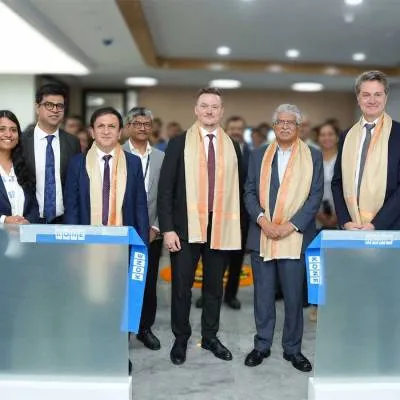
Union Minister of State for Power and New & Renewable Energy Shripad Yesso Naik recently interacted with beneficiaries of key central schemes including PM-JANMAN, DA-JGUA and PM-KUSUM, who were specially invited to attend the Republic Day celebrations. The interaction underscored the Government of India’s focus on inclusive development and last-mile delivery, particularly in underserved and remote regions.

During the interaction, beneficiaries from tribal and rural areas shared their experiences of how access to electricity and clean energy has transformed daily life, improving education, healthcare access, livelihoods, safety and overall quality of life. The Minister said the feedback reflects the impact of welfare initiatives guided by the vision of Prime Minister Narendra Modi.

Highlighting progress under the Pradhan Mantri Janjati Adivasi Nyaya Maha Abhiyan (PM-JANMAN), the Minister noted that the scheme, launched in November 2023, aims to electrify households belonging to Particularly Vulnerable Tribal Groups. Of the nearly 1,43,000 identified households, electrification has been completed in around 1,36,000 homes, achieving about 95 per cent coverage through coordinated efforts of the Centre, states and DISCOMs.

Under the Dharti Aaba Janjatiya Gram Utkarsh Abhiyaan (DA-JGUA), launched in October 2024, a central grant of Rs 42.03 billion has been sanctioned to electrify more than 2,83,000 households and over 4,200 public facilities in Scheduled Tribe habitations. Around 56,000 households have already been electrified, with special relaxations in cost norms to reach remote and previously unconnected areas.

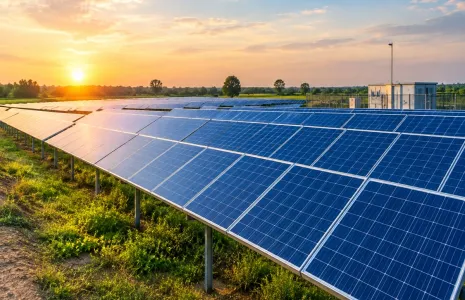
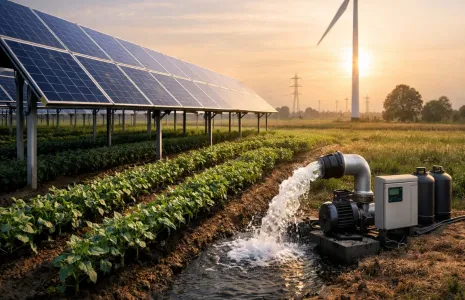
The Minister also highlighted the impact of the PM-KUSUM scheme, described as the world’s largest solarisation programme for agriculture. So far, 10.4 GW of solar capacity has been installed and over 2.17 million solar pumps deployed, benefiting more than 2.1 million farmers while reducing diesel use and carbon emissions.

A brief reference was also made to the PM Surya Ghar: Muft Bijli Yojana, which supports households in adopting rooftop solar power to lower electricity bills and enhance energy self-reliance.

A total of 249 beneficiaries from 15 states are participating in the three-day Republic Day programme in Delhi. Concluding the interaction, the Minister said beneficiary feedback remains central to improving implementation and ensuring that development benefits reach every citizen, especially those in the most remote regions.

Union Minister of State for Power and New & Renewable Energy Shripad Yesso Naik recently interacted with beneficiaries of key central schemes including PM-JANMAN, DA-JGUA and PM-KUSUM, who were specially invited to attend the Republic Day celebrations. The interaction underscored the Government of India’s focus on inclusive development and last-mile delivery, particularly in underserved and remote regions. During the interaction, beneficiaries from tribal and rural areas shared their experiences of how access to electricity and clean energy has transformed daily life, improving education, healthcare access, livelihoods, safety and overall quality of life. The Minister said the feedback reflects the impact of welfare initiatives guided by the vision of Prime Minister Narendra Modi. Highlighting progress under the Pradhan Mantri Janjati Adivasi Nyaya Maha Abhiyan (PM-JANMAN), the Minister noted that the scheme, launched in November 2023, aims to electrify households belonging to Particularly Vulnerable Tribal Groups. Of the nearly 1,43,000 identified households, electrification has been completed in around 1,36,000 homes, achieving about 95 per cent coverage through coordinated efforts of the Centre, states and DISCOMs. Under the Dharti Aaba Janjatiya Gram Utkarsh Abhiyaan (DA-JGUA), launched in October 2024, a central grant of Rs 42.03 billion has been sanctioned to electrify more than 2,83,000 households and over 4,200 public facilities in Scheduled Tribe habitations. Around 56,000 households have already been electrified, with special relaxations in cost norms to reach remote and previously unconnected areas. The Minister also highlighted the impact of the PM-KUSUM scheme, described as the world’s largest solarisation programme for agriculture. So far, 10.4 GW of solar capacity has been installed and over 2.17 million solar pumps deployed, benefiting more than 2.1 million farmers while reducing diesel use and carbon emissions. A brief reference was also made to the PM Surya Ghar: Muft Bijli Yojana, which supports households in adopting rooftop solar power to lower electricity bills and enhance energy self-reliance. A total of 249 beneficiaries from 15 states are participating in the three-day Republic Day programme in Delhi. Concluding the interaction, the Minister said beneficiary feedback remains central to improving implementation and ensuring that development benefits reach every citizen, especially those in the most remote regions.

Related Stories

Gold Stories

Next Story
Infrastructure Urban

KONE Opens India's First Digital Experience Centre in Pune

KONE, a global elevator and escalator manufacturer, has inaugurated its first Digital Experience Centre (DEC) in India, located in Pune. The facility aims to showcase how artificial intelligence (AI), connectivity and data-driven technologies can enhance customer experiences and improve building operations.The centre was inaugurated by Jussi Herlin, Executive Vice Chair, KONE Corporation; Philippe Delorme, President and CEO, KONE; and Nandan Nilekani, Co-founder and Chairman of the Board, Infosys.Designed as an interactive customer environment, the facility demonstrates digital solutions cover..

Next Story
Infrastructure Urban

CII GreenCo Launches Circularity Guidelines for Indian Industry

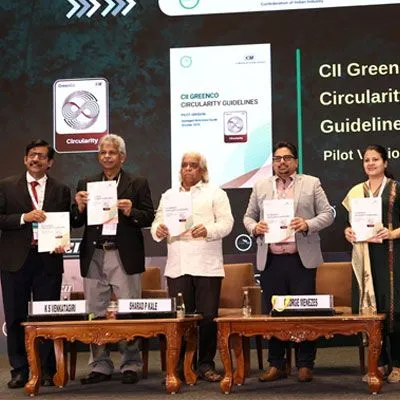
The Confederation of Indian Industry (CII) GreenCo Council has launched the CII GreenCo Circularity Guidelines – Pilot Version at the 17th CII GreenCo Waste & Resource Management Summit 2026 in Chennai. The initiative aims to strengthen resource efficiency, waste reduction and circular economy practices across Indian manufacturing and process industries.The guidelines introduce a structured framework with circularity indices covering raw materials, consumables, packaging and other resource inputs. These indicators will help industries assess existing practices, identify opportunities to ..

Next Story
Infrastructure Energy

Global Electronics Association Launches IPC-1783-CO2E Standard

The Global Electronics Association has introduced IPC-1783-CO2E, a new international standard aimed at improving consistency, transparency and comparability in product carbon footprint reporting across the electronics manufacturing industry.The standard, titled International Standard for Data Collection and Reporting of CO2 Equivalent (CO2e) Emissions for the Electronics Manufacturing Supply Chain, provides industry-specific guidance for collecting, estimating and reporting carbon emissions data.With increasing regulatory requirements and customer expectations, electronics manufacturers face c..

Advertisement

Subscribe to Our Newsletter

Get daily newsletters around different themes from Construction world.

STAY CONNECTED

Advertisement

SPECIAL OFFER
QR Code