- Home
- Infrastructure Urban
- ECONOMY & POLICY
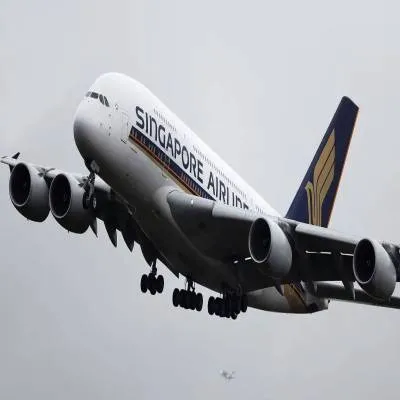
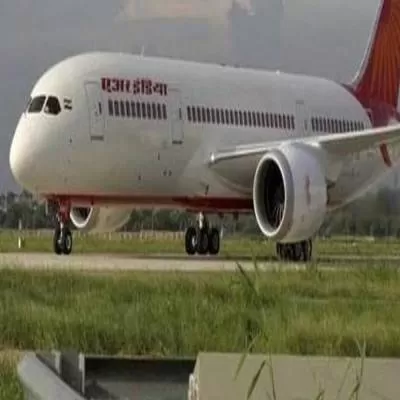
- Singapore Minister Defends SIA Investment In Air India
Singapore Minister Defends SIA Investment In Air India
Transport Minister Jeffrey Siow told parliament that Singapore Airlines is a listed company that funds investments from its own balance sheet and had not sought further capital from shareholders. He argued that building globally competitive companies requires entering difficult markets and remaining committed when operations face turbulence. Siow said many overseas investments would not necessarily produce immediate returns and that the investment in Air India was for the airline and its shareholders to assess.
Singapore Airlines holds a 25.1 per cent stake in Air India, a holding that has weighed on the flag carrier's earnings as the Indian group's losses widened to US$2.33 billion (US$2.33 bn) in the year to March. Ministers acknowledged that the turnaround could take up to a decade and that the transformation was not expected to be linear. The carrier reiterated that investments in India would continue to be funded through internal resources, subject to board approval and a disciplined capital allocation framework. Observers noted that a capital request from Air India does not oblige Singapore Airlines to provide funding.
Opposition lawmaker Kenneth Tiong raised concerns in parliament about the potential use of Temasek funds to shore up the Indian carrier and sought clarification on the matter. Senior Minister K. Shanmugam asked police to examine racist online comments linked to the debate and Prime Minister Lawrence Wong condemned anti-Indian abuse that had surfaced during the discussion. Temasek did not respond to requests for comment on those remarks.
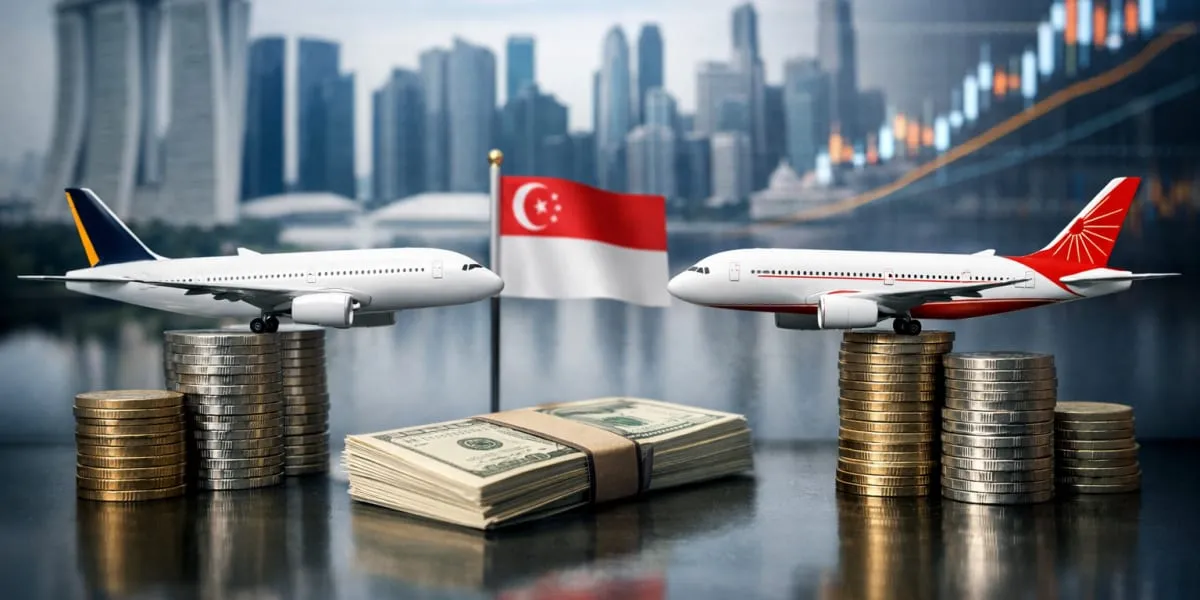
Singapore government defended Singapore Airlines' investment in Air India after two weeks of public scrutiny over a funding request, saying the flag carrier must expand overseas and that outcomes are for the company and its shareholders to judge. The remarks in parliament followed reports that Air India had sought about US$1.5 billion (US$1.5 bn) of fresh equity from owners Tata Sons and Singapore Airlines. The issue drew attention because Singapore Airlines is majority-owned by Temasek and raised questions about Temasek's role. Officials framed the matter as a commercial decision rather than a call on state resources. Transport Minister Jeffrey Siow told parliament that Singapore Airlines is a listed company that funds investments from its own balance sheet and had not sought further capital from shareholders. He argued that building globally competitive companies requires entering difficult markets and remaining committed when operations face turbulence. Siow said many overseas investments would not necessarily produce immediate returns and that the investment in Air India was for the airline and its shareholders to assess. Singapore Airlines holds a 25.1 per cent stake in Air India, a holding that has weighed on the flag carrier's earnings as the Indian group's losses widened to US$2.33 billion (US$2.33 bn) in the year to March. Ministers acknowledged that the turnaround could take up to a decade and that the transformation was not expected to be linear. The carrier reiterated that investments in India would continue to be funded through internal resources, subject to board approval and a disciplined capital allocation framework. Observers noted that a capital request from Air India does not oblige Singapore Airlines to provide funding. Opposition lawmaker Kenneth Tiong raised concerns in parliament about the potential use of Temasek funds to shore up the Indian carrier and sought clarification on the matter. Senior Minister K. Shanmugam asked police to examine racist online comments linked to the debate and Prime Minister Lawrence Wong condemned anti-Indian abuse that had surfaced during the discussion. Temasek did not respond to requests for comment on those remarks.
Related Stories
Gold Stories
Alternative Fuels Overtake Petrol As August Retail Peaks
The Indian automobile industry recorded its best-ever August retail as alternative fuels such as compressed natural gas, hybrid and electric vehicles combined overtook petrol in the passenger vehicle segment for the first time. The shift coincided with oil price rises linked to the war in the Middle East and a cooled public response to higher ethanol content in petrol. Dealers attributed stronger demand to lower running costs and concerns over the E20 petrol transition. Data released by the Federation of Automobile Dealers Associations (FADA) showed total vehicle retail registrations in August..
Related Articles
Latest Updates

Recommended for you
Advertisement
Subscribe to Our Newsletter
Get daily newsletters around different themes from Construction world.
subscribe to the newsletter
Don't miss out on valuable insights and opportunities
to connect with like minded professionals