Tamil Nadu Extends 100% EV Road Tax Exemption Till 2027
ECONOMY & POLICY

Tamil Nadu Extends 100% EV Road Tax Exemption Till 2027

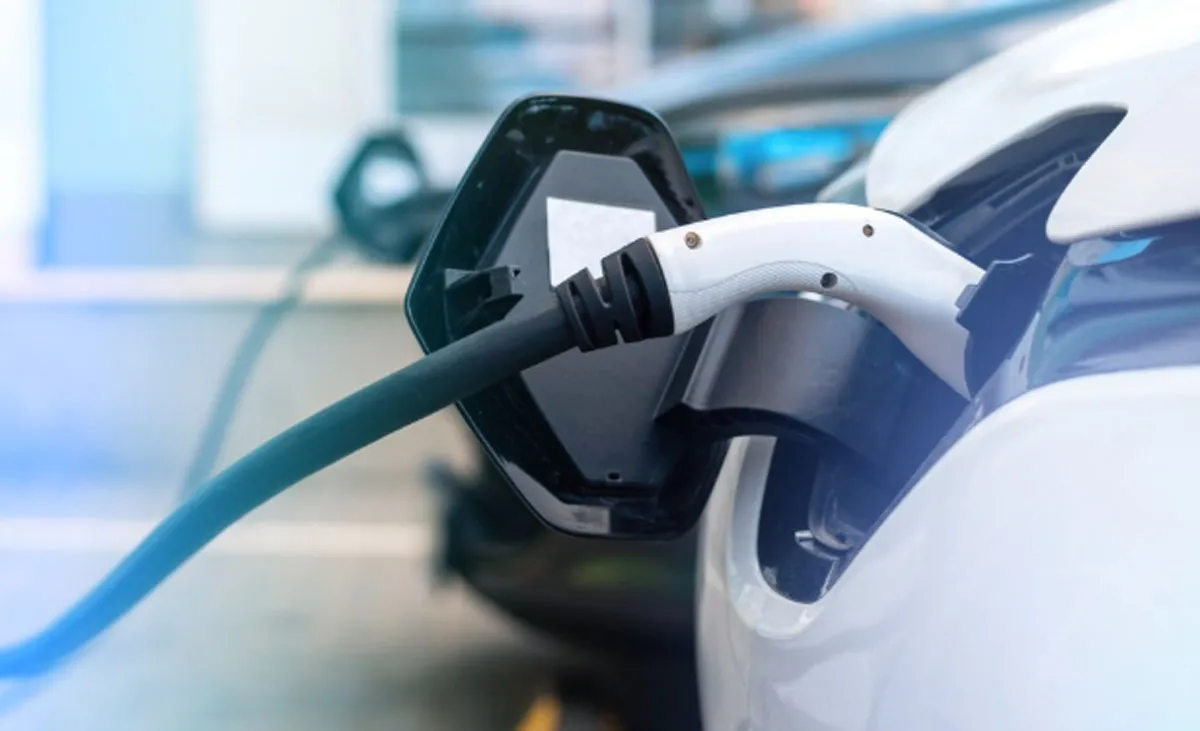
The Tamil Nadu government has extended the 100% road tax exemption for battery-operated electric vehicles for another two years, reinforcing its efforts to sustain momentum in EV adoption across the state.

According to a government order issued on December 29, the tax exemption has been extended for all categories of battery-operated vehicles, including both transport and non-transport vehicles, from January 1, 2026, to December 31, 2027. The move ensures continuity of fiscal incentives as electric vehicle penetration continues to rise in the state.

The decision follows sustained representations from electric vehicle manufacturers and industry stakeholders, who urged the government to maintain incentives at a time when EV adoption is gaining traction. The government order noted that electric vehicles accounted for around 7.8% of overall vehicle adoption in Tamil Nadu in 2025, marking a significant improvement and supporting the case for extending the exemption.

The order also highlighted the role of the Transport Department in the policy decision. The Transport Commissioner had sought an extension of the road tax waiver, citing consistency with the objectives of the Tamil Nadu Electric Vehicle Policy, 2023. Accordingly, the commissioner has been directed to submit a detailed assessment on the potential implications of levying taxes on electric vehicles in the future, along with a review of practices followed by other states.

The road tax exemption builds on measures introduced under the Tamil Nadu Electric Vehicle Policy, 2019. Initially granted until 2022, the waiver was subsequently extended for three years, and the latest decision ensures incentives remain in place through the end of 2027.

By extending the exemption, Tamil Nadu has strengthened its position as one of India’s most EV-friendly states. While the policy supports affordability and demand, industry observers note that sustained long-term growth will also depend on developing a strong local EV manufacturing and supply ecosystem alongside consumer-focused incentives. 

News source: Angel One


The Tamil Nadu government has extended the 100% road tax exemption for battery-operated electric vehicles for another two years, reinforcing its efforts to sustain momentum in EV adoption across the state.According to a government order issued on December 29, the tax exemption has been extended for all categories of battery-operated vehicles, including both transport and non-transport vehicles, from January 1, 2026, to December 31, 2027. The move ensures continuity of fiscal incentives as electric vehicle penetration continues to rise in the state.The decision follows sustained representations from electric vehicle manufacturers and industry stakeholders, who urged the government to maintain incentives at a time when EV adoption is gaining traction. The government order noted that electric vehicles accounted for around 7.8% of overall vehicle adoption in Tamil Nadu in 2025, marking a significant improvement and supporting the case for extending the exemption.The order also highlighted the role of the Transport Department in the policy decision. The Transport Commissioner had sought an extension of the road tax waiver, citing consistency with the objectives of the Tamil Nadu Electric Vehicle Policy, 2023. Accordingly, the commissioner has been directed to submit a detailed assessment on the potential implications of levying taxes on electric vehicles in the future, along with a review of practices followed by other states.The road tax exemption builds on measures introduced under the Tamil Nadu Electric Vehicle Policy, 2019. Initially granted until 2022, the waiver was subsequently extended for three years, and the latest decision ensures incentives remain in place through the end of 2027.By extending the exemption, Tamil Nadu has strengthened its position as one of India’s most EV-friendly states. While the policy supports affordability and demand, industry observers note that sustained long-term growth will also depend on developing a strong local EV manufacturing and supply ecosystem alongside consumer-focused incentives. News source: Angel One

Next Story
Infrastructure Transport

CMRL to Open 15.8 km Chennai Metro Phase II in February

Chennai Metro Rail (CMRL) has revised its rollout strategy for Phase II of the Chennai Metro, deciding to commission the entire 15.8-km stretch between Poonamallee Bypass and Vadapalani directly in February. The move marks a shift from the earlier plan of launching services on a shorter section first and extending them in stages.Initially, CMRL had proposed to start operations on the Poonamallee Bypass–Porur Junction stretch by the end of January, with services extended to Vadapalani in February. However, officials said the revised approach would allow commuters to benefit from better connec..

Next Story
Infrastructure Transport

Power Mech Emerges L1 for Mumbai Monorail O&M Contract

Power Mech Projects has emerged as the lowest bidder (L1) for the operations and maintenance (O&M) contract of the Mumbai Monorail project, officials said. The contract was floated by the Mumbai Metropolitan Region Development Authority (MMRDA) with a tenure of 1,825 days, or five years.MMRDA had invited bids for the O&M work of the Mumbai Monorail corridor from Sant Gadge Maharaj Chowk to Chembur. Technical bids were opened on November 12, 2025, with four firms submitting bids for the contract. Following the technical evaluation conducted on January 1, 2026, two bidders were disqualif..

Next Story
Infrastructure Transport

E to E Transportation Clarifies SECR Contract Value at Rs 270.35 Mn

NSE Emerge-listed E to E Transportation Infrastructure has issued a clarification on the value of a railway signalling and telecommunication contract awarded by the South East Central Railway (SECR), Raipur Division, after identifying a typographical error in its earlier regulatory disclosure.In a filing dated January 4, 2026, the company said the correct value of the Letter of Acceptance (LoA) is Rs 270.34 million, and not Rs 2.73 billion as previously stated in an announcement uploaded on the NSE Emerge portal earlier the same day. The company noted that the incorrect figure was the result o..

Advertisement

Subscribe to Our Newsletter

Get daily newsletters around different themes from Construction world.

STAY CONNECTED

Advertisement

Advertisement

Advertisement

Advertisement

Open In App