Warburg Pincus to Invest Rs 9.6 Billion in Fleur Hotels
ECONOMY & POLICY

Warburg Pincus to Invest Rs 9.6 Billion in Fleur Hotels

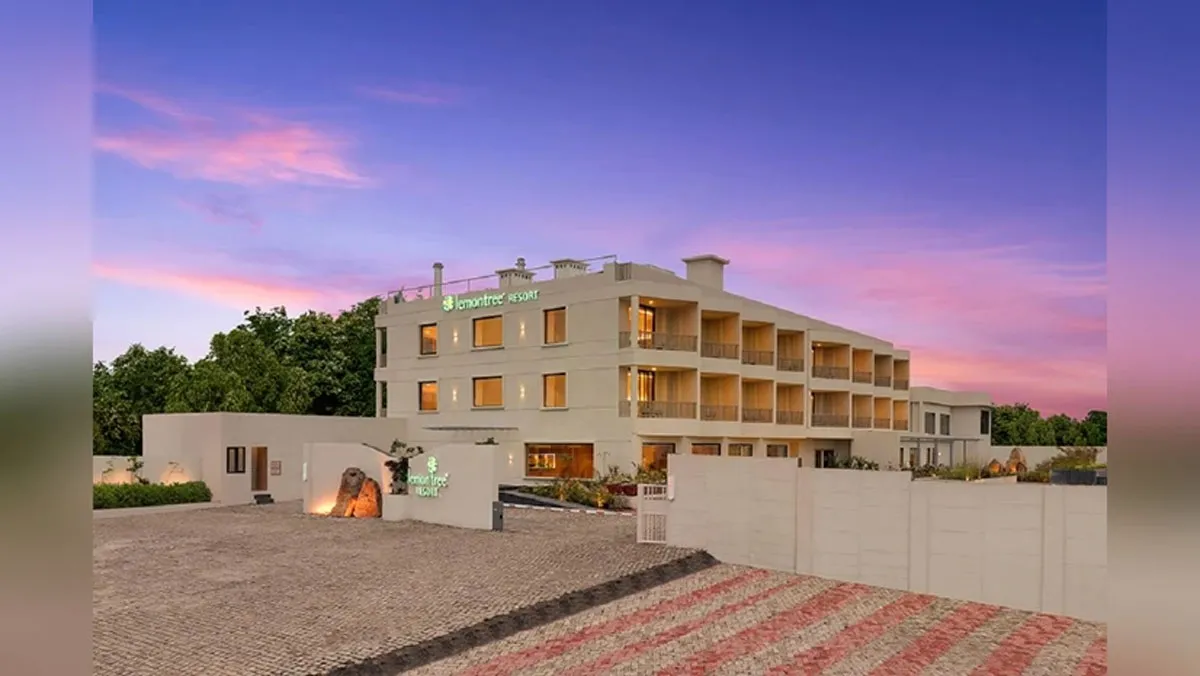
US-based private equity firm Warburg Pincus is set to invest Rs 9.6 billion to support the growth of Fleur Hotels, as part of a group reorganisation exercise announced by Lemon Tree Hotels, India’s third-largest hotel chain.

As part of the transaction, Warburg Pincus will also acquire a 41.09 per cent stake in Fleur Hotels from Dutch pension fund APG.

The company said the scheme, to be implemented through a process approved by the National Company Law Tribunal, will reorganise the group’s asset ownership and operating structure. Hotel assets currently owned by Lemon Tree will be transferred to Fleur, which will become the group’s exclusive asset ownership and development company. Fleur will lead all future hotel acquisitions and development, while Lemon Tree will transition into a fully asset-light model focused on expanding its hotel management, franchising and digital businesses.

Fleur Hotels is also expected to be listed separately on the stock exchanges within the next 12 to 15 months. Patanjali Govind Keswani, founder and executive chairman of both Lemon Tree and Fleur Hotels, said the reorganisation is aimed at creating a simplified, transparent and growth-oriented structure that enhances long-term shareholder value.

Keswani will serve as executive chairman of Fleur Hotels and will eventually move to a non-executive role at Lemon Tree. He said the partnership with Warburg Pincus comes at a critical inflection point for the Indian hospitality sector and will help scale operations responsibly, strengthen digital-led capabilities and embed sustainability as a core pillar of long-term growth.

Following completion of the transaction, Fleur is expected to emerge as one of the largest owners of hospitality assets in India, with its owned portfolio expanding to 5,813 keys across 41 hotels, from the current 3,993 keys and 24 operating hotels. Lemon Tree will continue to operate its leased hotels in Indore and Aurangabad, which are nearing the end of their respective lease terms.

In addition, Lemon Tree will manage an additional 1,820 keys across 17 hotels transferred to Fleur, alongside its existing portfolio of 3,993 keys and 24 Fleur-owned hotels already operated by the company.

Anish Saraf, managing director at Warburg Pincus, said the firm was pleased to partner again with Keswani and the Fleur leadership team, adding that favourable industry fundamentals and a clear strategic roadmap position the platform well for its next phase of growth.

US-based private equity firm Warburg Pincus is set to invest Rs 9.6 billion to support the growth of Fleur Hotels, as part of a group reorganisation exercise announced by Lemon Tree Hotels, India’s third-largest hotel chain. As part of the transaction, Warburg Pincus will also acquire a 41.09 per cent stake in Fleur Hotels from Dutch pension fund APG. The company said the scheme, to be implemented through a process approved by the National Company Law Tribunal, will reorganise the group’s asset ownership and operating structure. Hotel assets currently owned by Lemon Tree will be transferred to Fleur, which will become the group’s exclusive asset ownership and development company. Fleur will lead all future hotel acquisitions and development, while Lemon Tree will transition into a fully asset-light model focused on expanding its hotel management, franchising and digital businesses. Fleur Hotels is also expected to be listed separately on the stock exchanges within the next 12 to 15 months. Patanjali Govind Keswani, founder and executive chairman of both Lemon Tree and Fleur Hotels, said the reorganisation is aimed at creating a simplified, transparent and growth-oriented structure that enhances long-term shareholder value. Keswani will serve as executive chairman of Fleur Hotels and will eventually move to a non-executive role at Lemon Tree. He said the partnership with Warburg Pincus comes at a critical inflection point for the Indian hospitality sector and will help scale operations responsibly, strengthen digital-led capabilities and embed sustainability as a core pillar of long-term growth. Following completion of the transaction, Fleur is expected to emerge as one of the largest owners of hospitality assets in India, with its owned portfolio expanding to 5,813 keys across 41 hotels, from the current 3,993 keys and 24 operating hotels. Lemon Tree will continue to operate its leased hotels in Indore and Aurangabad, which are nearing the end of their respective lease terms. In addition, Lemon Tree will manage an additional 1,820 keys across 17 hotels transferred to Fleur, alongside its existing portfolio of 3,993 keys and 24 Fleur-owned hotels already operated by the company. Anish Saraf, managing director at Warburg Pincus, said the firm was pleased to partner again with Keswani and the Fleur leadership team, adding that favourable industry fundamentals and a clear strategic roadmap position the platform well for its next phase of growth.

Next Story
Infrastructure Urban

Public Capex Push In Budget To Boost Tyre Industry: ATMA

The Indian tyre industry is expected to benefit from the government’s renewed emphasis on infrastructure development outlined in the Union Budget 2026–27, according to the Automotive Tyre Manufacturers Association (ATMA).ATMA said the tyre sector is closely linked to the performance of the transport and infrastructure ecosystem, and the sharp rise in public capital expenditure to Rs 1.2 trillion is a significant positive for sustained long-term demand growth.The association noted that the enhanced capex allocation reflects the government’s continued focus on building future-ready infrast..

Next Story
Infrastructure Transport

Underground Rail Line Planned In Siliguri ‘Chicken’s Neck’

Indian Railways is planning to construct underground railway tracks along a critical 40 km stretch of the Siliguri Corridor, popularly known as the Chicken’s Neck, to strengthen connectivity between the North East and the rest of India while enhancing security preparedness. According to the Indian Railways, the underground section is strategically significant due to the corridor’s narrow geography and proximity to international borders. Chetan Kumar Srivastava, General Manager of the Northeast Frontier Railway, said the proposed underground alignment is extremely important from a security..

Next Story
Infrastructure Urban

Agriculture Infrastructure Fund Boosts Post-Harvest Assets

The Agriculture Infrastructure Fund (AIF), a Central Sector Scheme of the Government of India, continues to strengthen post-harvest management infrastructure by enabling access to medium- and long-term debt financing through interest-subvented loans. The scheme focuses on improving agri-logistics, reducing post-harvest losses, promoting modern storage, processing and value-addition facilities, and enhancing farm-gate infrastructure to support efficient agricultural supply chains. Under AIF, banks and financial institutions provide loans with an interest subvention of three per cent per annum,..

Advertisement

Subscribe to Our Newsletter

Get daily newsletters around different themes from Construction world.

STAY CONNECTED

Advertisement

Advertisement

Advertisement

Advertisement

Open In App