8 Types of Steel Used in Construction
Steel

8 Types of Steel Used in Construction

Steel plays a critical role in modern construction due to its strength, durability, flexibility, and cost-effectiveness. In India’s rapidly growing infrastructure and real estate sectors, the demand for high-quality construction steel is continuously increasing. From high-rise buildings and bridges to highways and industrial structures, different types of steel are used depending on the structural requirements and environmental conditions.

Understanding the types of steel used in construction is essential for builders, engineers, and developers to ensure safety, longevity, and efficiency. Each type of steel offers unique properties such as tensile strength, corrosion resistance, and flexibility, making it suitable for specific applications.

Here are the eight most commonly used types of steel in construction projects.

1. TMT steel (Thermo-Mechanically Treated Steel)
TMT steel is the most widely used construction steel in India, especially for reinforced concrete structures. It is known for its high strength, flexibility, and resistance to earthquakes, making it ideal for residential buildings, bridges, and large infrastructure projects.

The manufacturing process involves rapid cooling, which creates a tough outer surface and a soft inner core. This combination provides both strength and ductility, allowing the steel to withstand heavy loads and stress.

Key advantages include:
  • High tensile strength and durability 
  • Excellent earthquake resistance 
  • Strong bonding with concrete 
  • Corrosion resistance and long life 

2. Structural steel
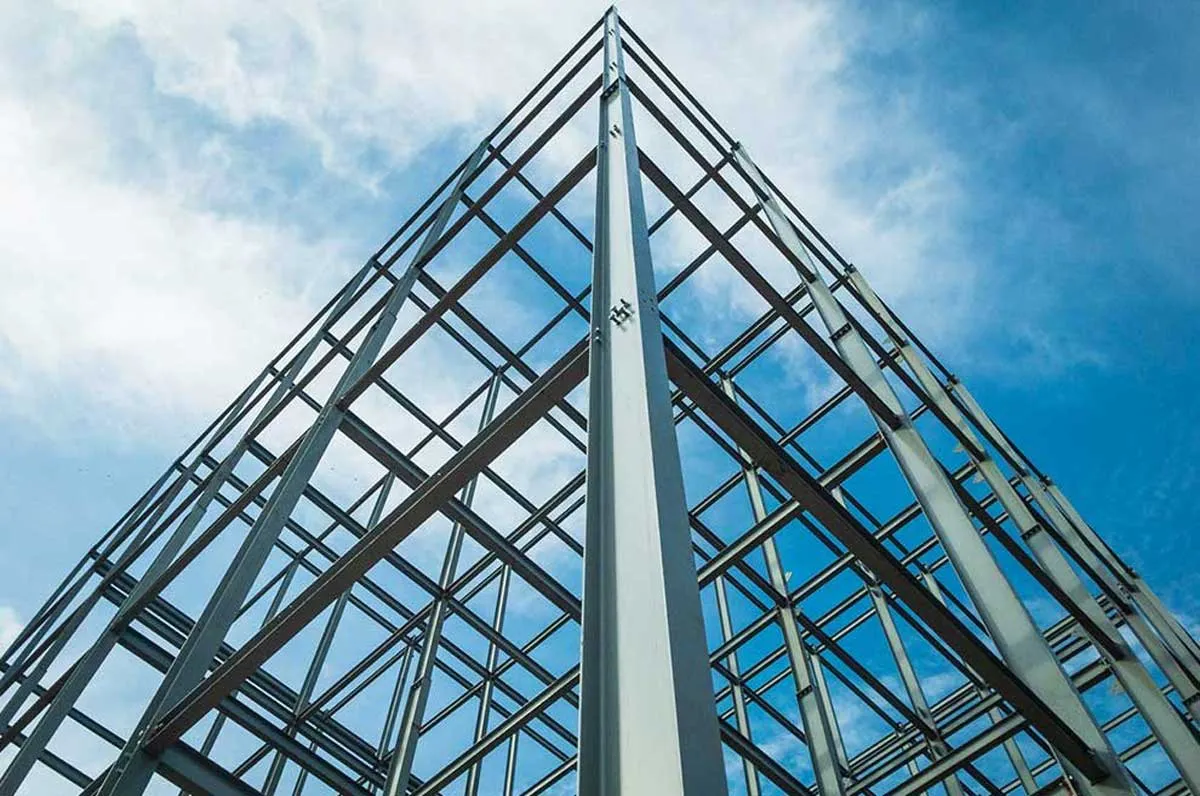
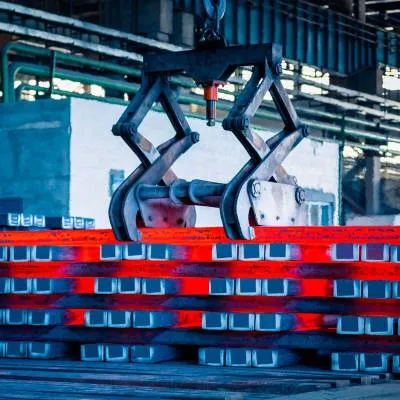
Structural steel is used for constructing the framework of buildings, bridges, and industrial structures. It is fabricated into different shapes such as beams, columns, and angles, providing support and stability to large structures.

In India’s infrastructure sector, structural steel is widely used in commercial buildings, metro stations, airports, and warehouses due to its ability to handle heavy loads and complex designs.

Key features include:
  • High load-bearing capacity 
  • Flexibility in design and fabrication 
  • Faster construction compared to traditional methods 
  • Suitable for large-scale infrastructure projects 

3. Mild steel
Mild steel is a low-carbon steel that is easy to shape, cut, and weld. It is commonly used in construction for structural components, pipes, and reinforcement work where extreme strength is not required.
Its affordability and versatility make it a popular choice for small to medium-scale construction projects.

Key benefits include:
  • Cost-effective and widely available 
  • Easy to fabricate and weld 
  • Good ductility and flexibility 
  • Suitable for general construction purposes 
4. Stainless steel
Stainless steel is known for its excellent corrosion resistance and aesthetic appeal. It is commonly used in structures exposed to moisture, chemicals, or extreme weather conditions, such as coastal buildings, bridges, and water treatment plants.
Although more expensive than other types of steel, its durability and low maintenance make it a valuable long-term investment.

Key advantages include:
  • High resistance to corrosion and rust 
  • Long lifespan with minimal maintenance 
  • Attractive finish for architectural applications 
  • Suitable for harsh environments 

5. High-speed steel
High-speed steel is primarily used in tools and cutting equipment rather than structural applications. However, it plays an important role in construction processes by improving efficiency in machining and fabrication.

It retains its hardness even at high temperatures, making it ideal for drilling, cutting, and shaping construction materials.

Key uses include:
  • Cutting and drilling tools 
  • Manufacturing of construction equipment 
  • High-temperature applications 
  • Precision machining processes 
6. Rebar steel (Reinforcement steel)
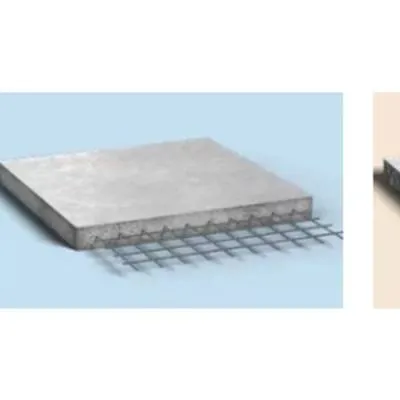
Rebar steel is used to reinforce concrete structures and improve their tensile strength. Since concrete is strong in compression but weak in tension, rebar is added to enhance structural stability.

In India, rebar is extensively used in residential buildings, highways, bridges, and large infrastructure projects.

Key characteristics include:
  • Improves strength and durability of concrete 
  • Available in different grades and sizes 
  • Enhances load-bearing capacity 
  • Essential for reinforced concrete structures 
7. Weathering steel
Weathering steel, also known as corten steel, is designed to resist atmospheric corrosion. It forms a protective layer when exposed to weather, reducing the need for painting and maintenance.
It is commonly used in bridges, outdoor structures, and architectural applications where durability and aesthetics are important.

Key benefits include:
  • High resistance to weather and corrosion 
  • Low maintenance requirements 
  • Unique rust-like appearance for design 
  • Suitable for outdoor infrastructure 
8. Alloy steel
Alloy steel is made by adding elements such as chromium, nickel, and molybdenum to improve its strength, hardness, and resistance to wear and corrosion. It is used in specialised construction applications that require high performance.
In India’s infrastructure projects, alloy steel is used in heavy machinery, industrial structures, and high-stress environments.

Key advantages include:
  • Enhanced strength and durability 
  • Suitable for heavy-duty applications 
  • Improved performance under extreme conditions 
Conclusion
Steel remains one of the most important materials in the construction industry, offering unmatched strength, versatility, and durability. The different types of steel used in construction allow engineers and builders to select the most suitable material based on project requirements.

As India continues to invest in infrastructure and urban development, the demand for advanced and high-quality steel will only increase. Understanding these steel types helps ensure better construction practices, improved safety, and long-lasting structures.

Steel plays a critical role in modern construction due to its strength, durability, flexibility, and cost-effectiveness. In India’s rapidly growing infrastructure and real estate sectors, the demand for high-quality construction steel is continuously increasing. From high-rise buildings and bridges to highways and industrial structures, different types of steel are used depending on the structural requirements and environmental conditions.Understanding the types of steel used in construction is essential for builders, engineers, and developers to ensure safety, longevity, and efficiency. Each type of steel offers unique properties such as tensile strength, corrosion resistance, and flexibility, making it suitable for specific applications.Here are the eight most commonly used types of steel in construction projects.1. TMT steel (Thermo-Mechanically Treated Steel)TMT steel is the most widely used construction steel in India, especially for reinforced concrete structures. It is known for its high strength, flexibility, and resistance to earthquakes, making it ideal for residential buildings, bridges, and large infrastructure projects.The manufacturing process involves rapid cooling, which creates a tough outer surface and a soft inner core. This combination provides both strength and ductility, allowing the steel to withstand heavy loads and stress.Key advantages include:High tensile strength and durability Excellent earthquake resistance Strong bonding with concrete Corrosion resistance and long life 2. Structural steelStructural steel is used for constructing the framework of buildings, bridges, and industrial structures. It is fabricated into different shapes such as beams, columns, and angles, providing support and stability to large structures.In India’s infrastructure sector, structural steel is widely used in commercial buildings, metro stations, airports, and warehouses due to its ability to handle heavy loads and complex designs.Key features include:High load-bearing capacity Flexibility in design and fabrication Faster construction compared to traditional methods Suitable for large-scale infrastructure projects 3. Mild steelMild steel is a low-carbon steel that is easy to shape, cut, and weld. It is commonly used in construction for structural components, pipes, and reinforcement work where extreme strength is not required.Its affordability and versatility make it a popular choice for small to medium-scale construction projects.Key benefits include:Cost-effective and widely available Easy to fabricate and weld Good ductility and flexibility Suitable for general construction purposes 4. Stainless steelStainless steel is known for its excellent corrosion resistance and aesthetic appeal. It is commonly used in structures exposed to moisture, chemicals, or extreme weather conditions, such as coastal buildings, bridges, and water treatment plants.Although more expensive than other types of steel, its durability and low maintenance make it a valuable long-term investment.Key advantages include:High resistance to corrosion and rust Long lifespan with minimal maintenance Attractive finish for architectural applications Suitable for harsh environments 5. High-speed steelHigh-speed steel is primarily used in tools and cutting equipment rather than structural applications. However, it plays an important role in construction processes by improving efficiency in machining and fabrication.It retains its hardness even at high temperatures, making it ideal for drilling, cutting, and shaping construction materials.Key uses include:Cutting and drilling tools Manufacturing of construction equipment High-temperature applications Precision machining processes 6. Rebar steel (Reinforcement steel)Rebar steel is used to reinforce concrete structures and improve their tensile strength. Since concrete is strong in compression but weak in tension, rebar is added to enhance structural stability.In India, rebar is extensively used in residential buildings, highways, bridges, and large infrastructure projects.Key characteristics include:Improves strength and durability of concrete Available in different grades and sizes Enhances load-bearing capacity Essential for reinforced concrete structures 7. Weathering steelWeathering steel, also known as corten steel, is designed to resist atmospheric corrosion. It forms a protective layer when exposed to weather, reducing the need for painting and maintenance.It is commonly used in bridges, outdoor structures, and architectural applications where durability and aesthetics are important.Key benefits include:High resistance to weather and corrosion Low maintenance requirements Unique rust-like appearance for design Suitable for outdoor infrastructure 8. Alloy steelAlloy steel is made by adding elements such as chromium, nickel, and molybdenum to improve its strength, hardness, and resistance to wear and corrosion. It is used in specialised construction applications that require high performance.In India’s infrastructure projects, alloy steel is used in heavy machinery, industrial structures, and high-stress environments.Key advantages include:Enhanced strength and durability Suitable for heavy-duty applications Improved performance under extreme conditions ConclusionSteel remains one of the most important materials in the construction industry, offering unmatched strength, versatility, and durability. The different types of steel used in construction allow engineers and builders to select the most suitable material based on project requirements.As India continues to invest in infrastructure and urban development, the demand for advanced and high-quality steel will only increase. Understanding these steel types helps ensure better construction practices, improved safety, and long-lasting structures.

Next Story
Technology

Autodesk Revamps India Store for Self-Serve Buying

Autodesk has transformed its India Store into a full self-serve procurement platform to make professional design and make technology more accessible to startups, entrepreneurs, freelancers and small and medium-sized businesses across the country.The move supports Autodesk’s digital-first go-to-market approach, simplifying how customers discover, evaluate, purchase and manage its Design and Make solutions.According to Autodesk, startups, freelancers and emerging businesses now account for more than 50 per cent of first-time customers on its digital Store in India. Tier 2 and Tier 3 cities con..

Next Story
Infrastructure Urban

Deloitte, SAP Open AI Delivery Centre in Bengaluru

Deloitte India has inaugurated a dedicated SAP Delivery Centre in Bengaluru to help enterprises accelerate cloud adoption, intelligent automation and AI-powered business transformation.The AI-led innovation and delivery hub will support SAP’s transformation priorities and serve joint customers across innovation, architecture, engineering, implementation and managed evolution of enterprise solutions.The centre will focus on helping organisations modernise legacy systems, adopt SAP cloud solutions, unlock business value through AI and build intelligent, future-ready operating models.It will be..

Next Story
Infrastructure Urban

Egis India Backs Education Partnerships in NCR

Egis in India has partnered with Shakti Foundation and renewed its multi-year association with Bharat Memorial Charitable Trust to support education and development initiatives for underprivileged children across Delhi-NCR.At Shakti Foundation’s Ghazipur Circle Centre, Egis will support remedial education for children who have dropped out of school or are facing learning gaps. The support will help mainstream students back into government schools and cover rental costs for the learning floor, books, worksheets, teaching aids and stationery.The centre also conducts enrichment activities such ..

Advertisement

Subscribe to Our Newsletter

Get daily newsletters around different themes from Construction world.

STAY CONNECTED

Advertisement

Advertisement

Advertisement