

India’s Steel Sector Ends 2025 Subdued, Eyes Gradual Revival
Steel

India’s Steel Sector Ends 2025 Subdued, Eyes Gradual Revival

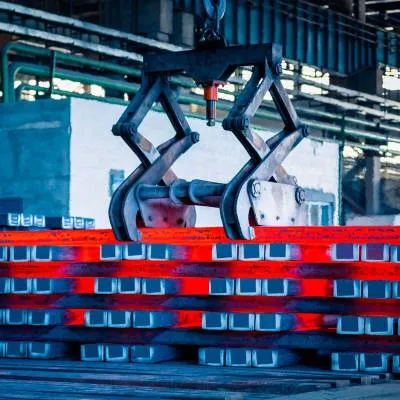
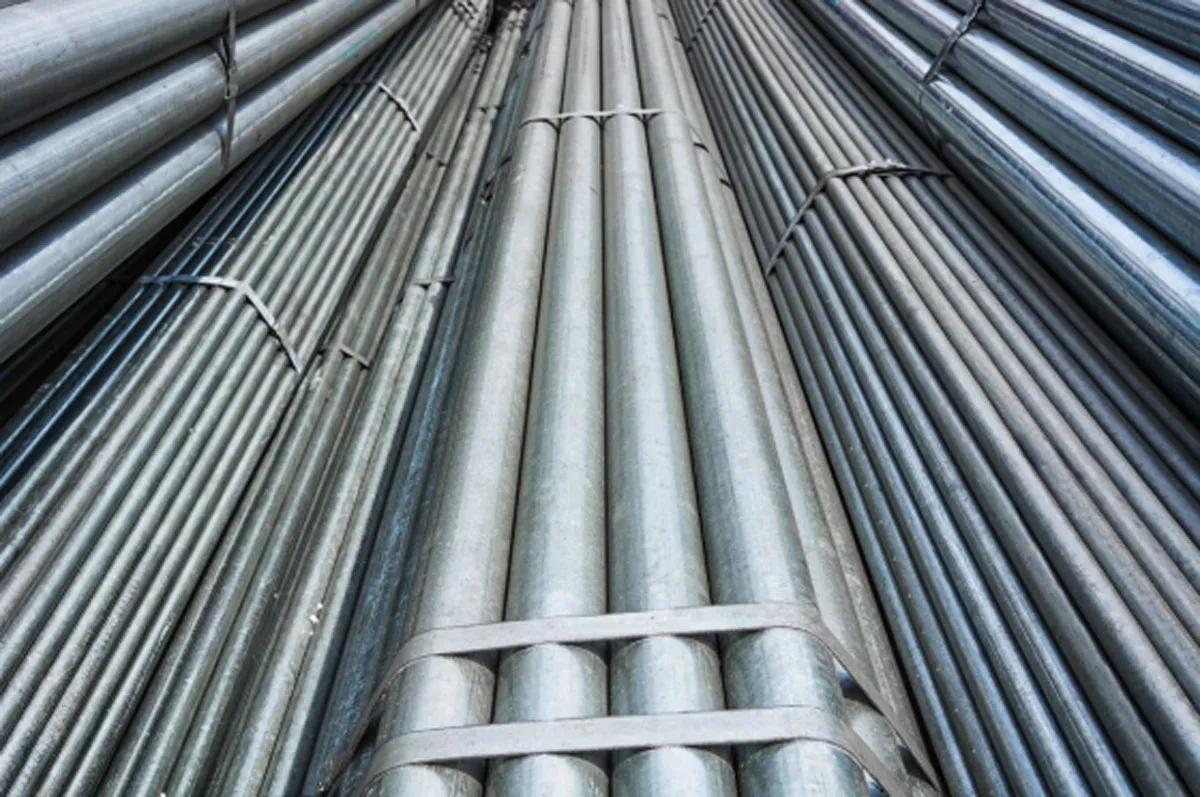
India’s steel sector closed 2025 on a muted note, weighed down by slowing demand, margin pressure and weak export performance through much of the year. Flat steel producers faced the sharpest impact as softer demand from the automobile and consumer appliance segments, coupled with rising imports from Southeast Asia, limited any meaningful price recovery. In contrast, long steel products performed relatively better, supported by sustained government spending on infrastructure, although new capacity additions prevented prices from firming significantly.

Raw material markets remained volatile during the year, though domestic iron ore prices stayed relatively firm on the back of steady consumption. Met coke and scrap markets largely traded within a narrow range despite rising global coking coal prices. Across the value chain, capacity additions continued at both integrated and secondary steel mills, intensifying competition and further pressuring margins. Exports remained subdued for most of 2025 amid global price weakness and continued uncertainty around Carbon Border Adjustment Mechanism (CBAM) compliance.

Looking ahead, industry sentiment points to a gradual recovery in 2026, particularly after the first quarter. Policy clarity, continued infrastructure investment and stabilisation in housing and automobile demand are expected to support consumption, with overall steel demand projected to grow between 7 and 9 per cent. However, margins may remain under pressure in the early part of the year due to heightened competition and fluctuating raw material costs. Export prospects could improve modestly as international spreads strengthen, though CBAM-related compliance will remain a key determinant of long-term competitiveness.

Amid rising overcapacity concerns and an increasing focus on sustainability, steel producers are expected to step up investments in energy efficiency, scrap processing and green steel technologies. While 2025 ends cautiously for the sector, a more constructive outlook is emerging for 2026, driven by policy support, demand recovery and strategic shifts across the steel value chain.

Meanwhile, the coal sector is also preparing for structural change, with the proposed coal exchange likely to be launched in early 2026 following the release of draft regulations and the appointment of the Coal Controller Organisation as the regulator.

India’s steel sector closed 2025 on a muted note, weighed down by slowing demand, margin pressure and weak export performance through much of the year. Flat steel producers faced the sharpest impact as softer demand from the automobile and consumer appliance segments, coupled with rising imports from Southeast Asia, limited any meaningful price recovery. In contrast, long steel products performed relatively better, supported by sustained government spending on infrastructure, although new capacity additions prevented prices from firming significantly.Raw material markets remained volatile during the year, though domestic iron ore prices stayed relatively firm on the back of steady consumption. Met coke and scrap markets largely traded within a narrow range despite rising global coking coal prices. Across the value chain, capacity additions continued at both integrated and secondary steel mills, intensifying competition and further pressuring margins. Exports remained subdued for most of 2025 amid global price weakness and continued uncertainty around Carbon Border Adjustment Mechanism (CBAM) compliance.Looking ahead, industry sentiment points to a gradual recovery in 2026, particularly after the first quarter. Policy clarity, continued infrastructure investment and stabilisation in housing and automobile demand are expected to support consumption, with overall steel demand projected to grow between 7 and 9 per cent. However, margins may remain under pressure in the early part of the year due to heightened competition and fluctuating raw material costs. Export prospects could improve modestly as international spreads strengthen, though CBAM-related compliance will remain a key determinant of long-term competitiveness.Amid rising overcapacity concerns and an increasing focus on sustainability, steel producers are expected to step up investments in energy efficiency, scrap processing and green steel technologies. While 2025 ends cautiously for the sector, a more constructive outlook is emerging for 2026, driven by policy support, demand recovery and strategic shifts across the steel value chain.Meanwhile, the coal sector is also preparing for structural change, with the proposed coal exchange likely to be launched in early 2026 following the release of draft regulations and the appointment of the Coal Controller Organisation as the regulator.

Next Story
Infrastructure Energy

Delhi HC Stays PGCIL Order against KEC International

KEC International has informed stock exchanges of a significant legal development concerning its eligibility to participate in tenders floated by Power Grid Corporation of India (PGCIL), in a disclosure made under Regulation 30 of the SEBI (Listing Obligations and Disclosure Requirements) Regulations.The update follows the company’s earlier intimation dated November 18, 2025, regarding an order issued by PGCIL that excluded KEC International from participating in its tenders for a period of nine months. Challenging the said order, the company filed a writ petition before the Hon’ble High C..

Next Story
Building Material

LANXESS Advances Pigment Solutions for New-Age Concrete Technologies

LANXESS is deepening its engagement with next-generation concrete technologies by advancing research into the performance of iron oxide pigments across emerging construction applications, including self-compacting concrete (SCC), geopolymers and 3D-printed concrete. Through extensive investigations and long-term weathering tests, iron oxide pigments have proven their suitability for a wide range of concrete construction materials, though their use in new formulations requires a thorough understanding of construction chemistry and material interactions.According to Oliver Fleschentraeger, Techn..

Next Story
Infrastructure Urban

JHS Svendgaard to Invest Rs 250 Million in Kala Amb Expansion

JHS Svendgaard Laboratories (JHS), a leading Indian manufacturer of oral care products, has announced an investment of Rs 250 million to expand its manufacturing footprint in Kala Amb, Himachal Pradesh. The investment is aimed at strengthening production capacity, introducing advanced technologies and supporting the company’s next phase of growth in response to rising domestic and global demand.As part of the expansion plan, JHS will construct a new 100,000 sq ft manufacturing facility on its existing five-acre land parcel at Kala Amb. The project is expected to be executed over a two-year p..

Advertisement

Subscribe to Our Newsletter

Get daily newsletters around different themes from Construction world.

STAY CONNECTED

Advertisement

Advertisement

Advertisement

Advertisement

Open In App