Steel prices: Sustained rise sparks inflation fears, report says
Steel

Steel prices: Sustained rise sparks inflation fears, report says

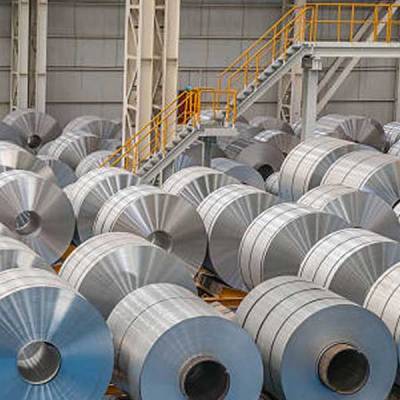
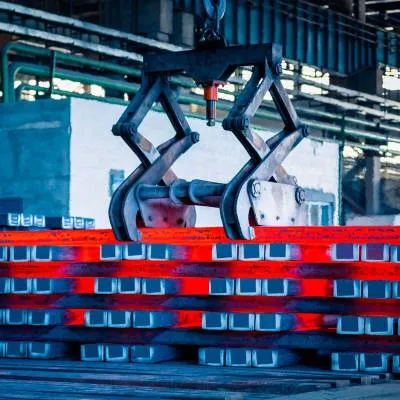
After a slight dip in February 2021, domestic steel prices recovered in March 2021 and are expected to remain elevated over the coming months on the back of higher international steel and iron ore prices, a CARE Ratings report says.

The report anticipates that HRC prices are expected to go up by at least Rs 3,500-4,000 per tonne in April 2021. A Rs 4,000 per tonne hike will take domestic HRC prices to Rs 59,000-60,000 per tonne, which would be the highest level seen since 2008. Steel prices in the world are at an all-time unprecedented high due to steep increase in the prices of iron ore as well as due to the strong growth in steel demand from China, India, USA, Europe and other emerging markets as global markets recover from a year-long slowdown with the reopening of business activities and vaccination drive.

While this upward cycle in steel prices brings relief to the domestic steel companies who were grappling with low demand and stagnant prices, it has spooked the end-user sectors who are worried about a steep increase in their raw material cost. The infrastructure sector figures among the worst-hit sectors that are end users of steel. The construction and real estate sector accounts for almost 55-60% of total steel consumption.

Besides, an increase in steel prices also raises fear of inflation rising in the domestic markets as raw material cost for many sectors goes up which will have a cascading effect on consumers.

Read the full report here.

Image source 

After a slight dip in February 2021, domestic steel prices recovered in March 2021 and are expected to remain elevated over the coming months on the back of higher international steel and iron ore prices, a CARE Ratings report says. The report anticipates that HRC prices are expected to go up by at least Rs 3,500-4,000 per tonne in April 2021. A Rs 4,000 per tonne hike will take domestic HRC prices to Rs 59,000-60,000 per tonne, which would be the highest level seen since 2008. Steel prices in the world are at an all-time unprecedented high due to steep increase in the prices of iron ore as well as due to the strong growth in steel demand from China, India, USA, Europe and other emerging markets as global markets recover from a year-long slowdown with the reopening of business activities and vaccination drive. While this upward cycle in steel prices brings relief to the domestic steel companies who were grappling with low demand and stagnant prices, it has spooked the end-user sectors who are worried about a steep increase in their raw material cost. The infrastructure sector figures among the worst-hit sectors that are end users of steel. The construction and real estate sector accounts for almost 55-60% of total steel consumption. Besides, an increase in steel prices also raises fear of inflation rising in the domestic markets as raw material cost for many sectors goes up which will have a cascading effect on consumers. Read the full report here.Image source 

Next Story
Resources

Jyoti Structures Launches Heat Safety Drive Across Sites

Jyoti Structures (JSL) has strengthened heat safety measures across its project sites and manufacturing facilities as temperatures rise across India. The company has implemented a Summer Safety Plan covering all transmission line projects to address risks related to heat stress, dehydration and worker fatigue.The initiative includes rescheduling work away from peak afternoon temperatures, provision of drinking water, ORS and lemon-salt solutions, and installation of rest shelters near work areas. Daily toolbox talks, worker health monitoring, first-aid preparedness, emergency transport arrange..

Next Story
Real Estate

MHADA Declares 82 Buildings Most Dangerous in Central and South Mumbai

The Maharashtra Housing and Area Development Authority (MHADA) has declared 82 buildings as most dangerous across Central and South Mumbai and has appealed to residents to vacate immediately. The list, prepared after structural assessments by the authority, identifies buildings judged to pose imminent risk to occupants and to passersby. Local civic bodies have been asked to coordinate evacuations and to make arrangements for temporary shelter and rehabilitation for displaced households. Officials said the authority prioritised buildings with visible structural distress, severe cracking, tiltin..

Next Story
Infrastructure Transport

Damage Reported At Halwara Airport Terminal After First Rains

Severe damage was reported at the terminal of Halwara Airport during the first major rain spell of the season, prompting immediate concern among aviation and local authorities. Images from the site showed water ingress and visible deterioration of the terminal interior, affecting passenger areas and ancillary services. The airport authority suspended certain operations temporarily to assess structural safety and ensure passenger wellbeing. Preliminary inspections have prioritised electrical systems and roof seals to prevent further water ingress. State aviation officials ordered a formal inqui..

Advertisement

Subscribe to Our Newsletter

Get daily newsletters around different themes from Construction world.

STAY CONNECTED

Advertisement

Advertisement

Advertisement

-->