Delhi Airport Plans Major T3 Expansion And T2 Phase Out
AVIATION & AIRPORTS

Delhi Airport Plans Major T3 Expansion And T2 Phase Out

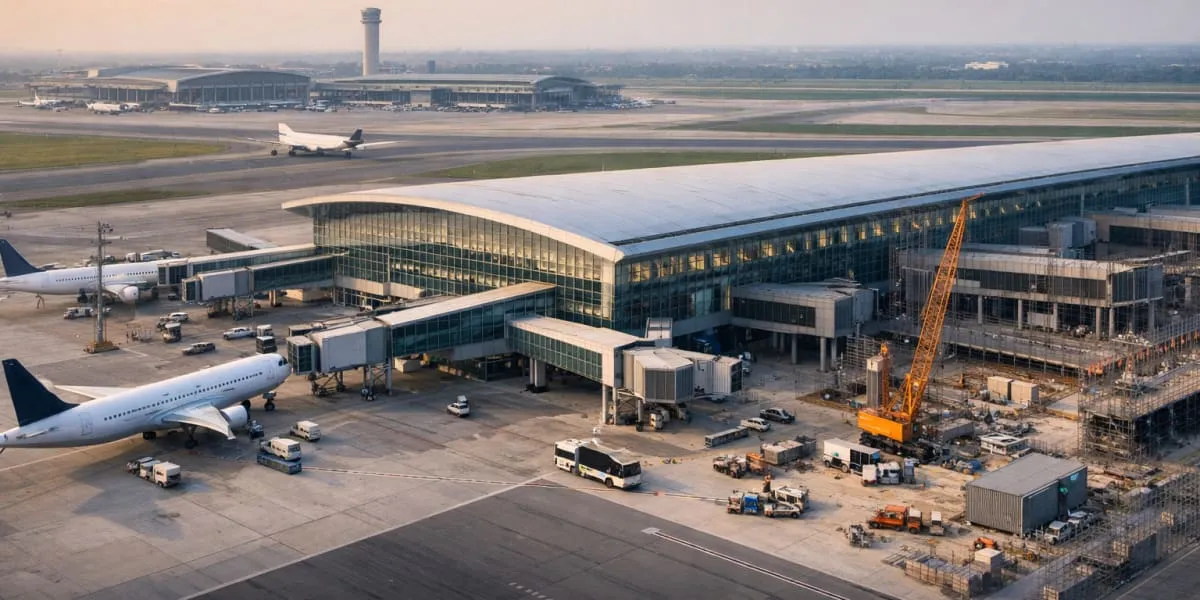
Delhi International Airport (DIAL) plans a substantial expansion of Terminal 3 to consolidate domestic operations and prepare for rising passenger volumes. The revised master plan under preparation envisages a new Pier E at Terminal 3 designed to handle about 12 mn passengers annually, roughly matching the current capacity of Terminal 2. The move forms part of a long-term strategy to streamline operations and improve efficiency across the airport campus.

DIAL intends for domestic flights now operating from Terminal 2 to be relocated to the expanded Terminal 3 once Pier E is commissioned, potentially enabling the decommissioning of Terminal 2 by 2033. Terminal 2, which opened in 1986, may remain in service for another six to seven years while future land use is assessed in line with traffic growth and broader expansion needs. Decisions on the site will depend on observed passenger trends and infrastructural priorities.

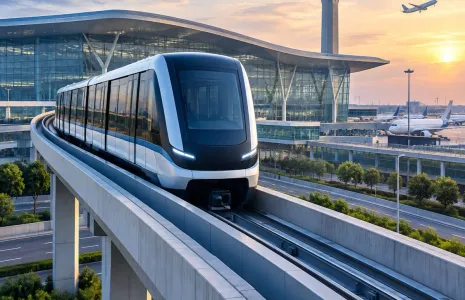
The airport operator is also advancing a driverless air train to link Terminals 1, 2 and 3 and to improve passenger connectivity; the automated transit system is slated to be operational within the next 30 months. DIAL is proceeding cautiously with physical expansion amid global uncertainties that have affected airline fleet plans, including delays in aircraft deliveries and geopolitical pressures that have altered traffic forecasts. These external factors are influencing the timing and scale of infrastructure rollout.

The proposed overhaul forms part of wider national momentum, as airports across India invest in capacity enhancement and modernisation to accommodate sustained passenger growth. DIAL emphasises that project phasing and timelines will be calibrated against airline requirements and market developments to ensure efficient resource allocation. Further adjustments to the master plan are expected as detailed traffic studies and stakeholder consultations proceed.

"Join industry leaders at RAHSTA Expo, India's premier platform for roads, highways and traffic infrastructure. Register now to explore innovations, network with experts and shape the future of mobility."

Delhi International Airport (DIAL) plans a substantial expansion of Terminal 3 to consolidate domestic operations and prepare for rising passenger volumes. The revised master plan under preparation envisages a new Pier E at Terminal 3 designed to handle about 12 mn passengers annually, roughly matching the current capacity of Terminal 2. The move forms part of a long-term strategy to streamline operations and improve efficiency across the airport campus. DIAL intends for domestic flights now operating from Terminal 2 to be relocated to the expanded Terminal 3 once Pier E is commissioned, potentially enabling the decommissioning of Terminal 2 by 2033. Terminal 2, which opened in 1986, may remain in service for another six to seven years while future land use is assessed in line with traffic growth and broader expansion needs. Decisions on the site will depend on observed passenger trends and infrastructural priorities. The airport operator is also advancing a driverless air train to link Terminals 1, 2 and 3 and to improve passenger connectivity; the automated transit system is slated to be operational within the next 30 months. DIAL is proceeding cautiously with physical expansion amid global uncertainties that have affected airline fleet plans, including delays in aircraft deliveries and geopolitical pressures that have altered traffic forecasts. These external factors are influencing the timing and scale of infrastructure rollout. The proposed overhaul forms part of wider national momentum, as airports across India invest in capacity enhancement and modernisation to accommodate sustained passenger growth. DIAL emphasises that project phasing and timelines will be calibrated against airline requirements and market developments to ensure efficient resource allocation. Further adjustments to the master plan are expected as detailed traffic studies and stakeholder consultations proceed.

Next Story
Real Estate

Pecan Realty Completes Rs 1.5 Billion Transactions

Pecan Realty has recently completed four institutional transactions worth over Rs 1.5 billion over the past two years, strengthening its position as an execution-led real estate platform. The deals include resolution-led acquisitions, structured finance transactions and capital partnerships across its development portfolio.The transactions covered acquisitions through the National Company Law Tribunal process and helped provide repayment or exits to both private and public sector lenders. The company said the deals demonstrate its ability to resolve complex project situations, work with instit..

Next Story
Real Estate

SNN Estates Expands North Bengaluru Housing Project

SNN Estates has announced an expansion of its SNN Estates Felicity residential project in North Bengaluru following strong buyer demand, with 75 per cent of the first-phase inventory sold within three days of launch.The developer will add 76 apartments in the new phase, taking the project's estimated revenue potential to around Rs 1,000 crore upon completion of Phase 2.Spread across 6.5 acres in Rachenahalli, near Manyata Tech Park, the project comprises 604 apartments in 1.5, 2, 2.5, 3 and 4 BHK configurations. The development includes a 50,000-sq-ft clubhouse with amenities such as sports co..

Next Story
Infrastructure Urban

SCG Drives ASEAN Industrial Transformation Strategy

SCG is strengthening its focus on ASEAN as a key growth region by advancing industrial transformation, enhancing competitiveness and building resilient regional value chains. Thammasak Sethaudom, President and Chief Executive Officer, SCG, highlighted the need for industries to continuously develop capabilities, strengthen resilience and deepen regional cooperation to achieve sustainable long-term growth.SCG views ASEAN as an important growth engine alongside China, supported by favourable demographics, trade connectivity and investment flows. With ASEAN’s GDP projected to grow by around 4.7..

Advertisement

Subscribe to Our Newsletter

Get daily newsletters around different themes from Construction world.

STAY CONNECTED

Advertisement

Advertisement

Advertisement