Gurgaon Metro Terminal Stuck Over RRTS Station Dispute
AVIATION & AIRPORTS

Gurgaon Metro Terminal Stuck Over RRTS Station Dispute

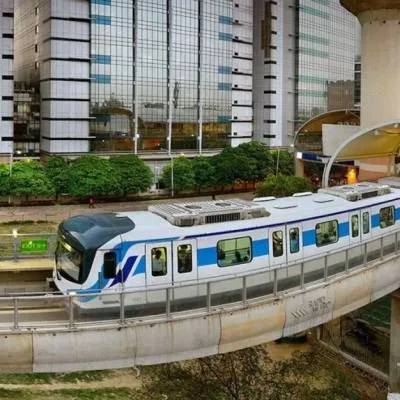
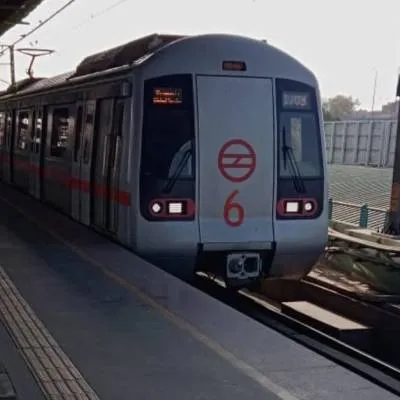
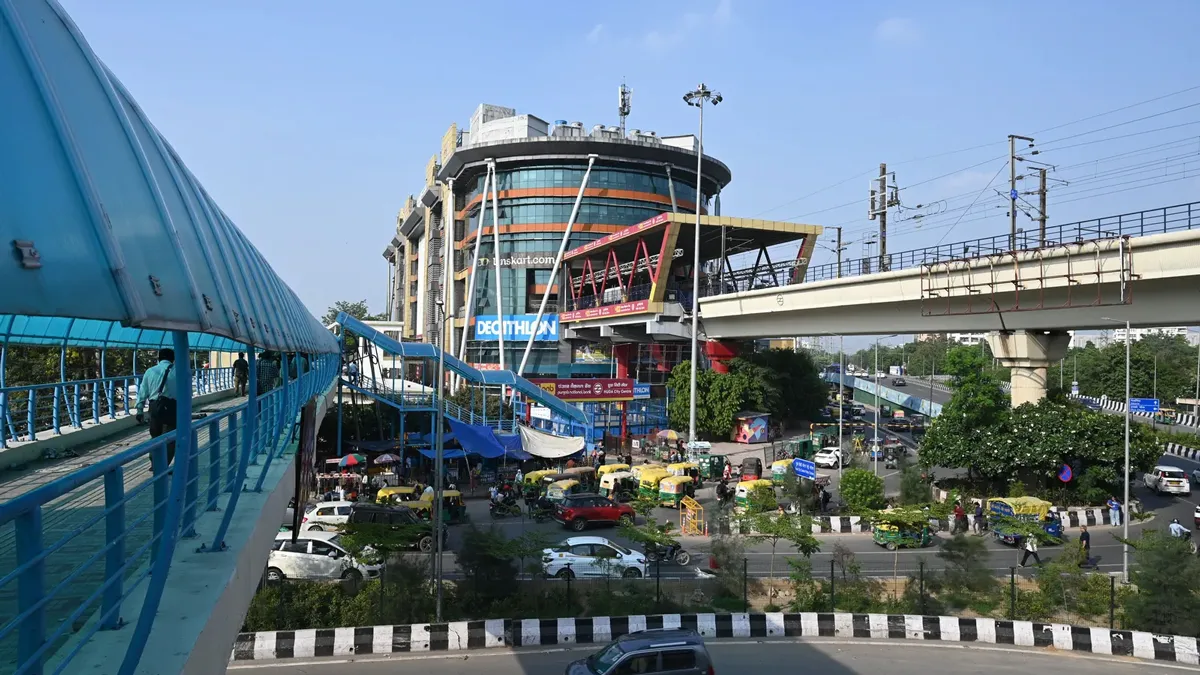
The fixation of the Gurgaon Metro terminal station at Cyber City has stalled due to a dispute over the location of the Regional Rapid Transit System (RRTS) station. Since the metro alignment depends on the RRTS site, the project has been delayed. A high-powered committee led by chief secretary Anurag Rastogi met on Wednesday but could not arrive at a solution.
The National Capital Region Transport Corporation (NCRTC) has proposed building the RRTS station at Shankar Chowk with minor adjustments to entry and exit points. However, the Haryana State Industrial and Infrastructure Development Corporation (HSIIDC) objected, warning the plan could trigger severe traffic congestion. NCRTC maintained that a sharp curve in the RRTS corridor leaves little scope for shifting the station elsewhere.
Gurugram Metro Rail Limited (GMRL) officials said they cannot finalise the terminal until the RRTS site is confirmed. A six-member panel set up earlier to resolve the matter has yet to reach an agreement. HSIIDC has also cautioned that placing the RRTS station opposite the proposed metro terminal and near the existing Rapid Metro station may cause overcrowding. NCRTC countered that closely located stations improve interchanges and passenger convenience.
NCRTC is preparing a detailed plan to support its proposal, while GMRL has been asked to draft a policy on land acquisition for affected properties. The committee also discussed establishing a casting yard for phase 2 of the metro, with HSVP agreeing to provide 10 hectares of land in Sector 10, to be cleared of waste by 31 October.
Additionally, Minister Rao Narbir Singh has suggested constructing an underground metro stretch from Sector 9 to Cyber City to reduce congestion and preserve greenery.

The fixation of the Gurgaon Metro terminal station at Cyber City has stalled due to a dispute over the location of the Regional Rapid Transit System (RRTS) station. Since the metro alignment depends on the RRTS site, the project has been delayed. A high-powered committee led by chief secretary Anurag Rastogi met on Wednesday but could not arrive at a solution.The National Capital Region Transport Corporation (NCRTC) has proposed building the RRTS station at Shankar Chowk with minor adjustments to entry and exit points. However, the Haryana State Industrial and Infrastructure Development Corporation (HSIIDC) objected, warning the plan could trigger severe traffic congestion. NCRTC maintained that a sharp curve in the RRTS corridor leaves little scope for shifting the station elsewhere.Gurugram Metro Rail Limited (GMRL) officials said they cannot finalise the terminal until the RRTS site is confirmed. A six-member panel set up earlier to resolve the matter has yet to reach an agreement. HSIIDC has also cautioned that placing the RRTS station opposite the proposed metro terminal and near the existing Rapid Metro station may cause overcrowding. NCRTC countered that closely located stations improve interchanges and passenger convenience.NCRTC is preparing a detailed plan to support its proposal, while GMRL has been asked to draft a policy on land acquisition for affected properties. The committee also discussed establishing a casting yard for phase 2 of the metro, with HSVP agreeing to provide 10 hectares of land in Sector 10, to be cleared of waste by 31 October.Additionally, Minister Rao Narbir Singh has suggested constructing an underground metro stretch from Sector 9 to Cyber City to reduce congestion and preserve greenery.

Next Story
Infrastructure Transport

India Becomes First to Produce Bio-Bitumen for Roads

India has become the first country in the world to commercially produce bio-bitumen for use in road construction, according to Road, Transport and Highways Minister Nitin Gadkari. Bitumen, a black and viscous hydrocarbon derived from crude oil, is a key binding material in road building, and the bio-based alternative is expected to significantly improve the sector’s environmental footprint.Addressing the CSIR Technology Transfer Ceremony in New Delhi, Mr Gadkari congratulated Council of Scientific and Industrial Research on achieving the milestone, noting that the initiative would help curb ..

Next Story
Infrastructure Urban

HILT Policy Seen Boosting Telangana Revenue Sharply

The Hyderabad Industrial Land Transformation (HILT) Policy is expected to generate around Rs 1.08 billion in revenue for the Telangana state exchequer, according to Deputy Chief Minister Bhatti Vikramarka Mallu. Speaking in the Telangana Legislative Assembly, he said the policy would be implemented within a six-month timeframe in a transparent manner, with uniform rules applicable to all stakeholders. Mr Vikramarka noted that without the HILT Policy, the state would have earned only about Rs 1.2 million per acre. Under the new framework, however, revenue is projected to rise sharply to Rs 70 ..

Next Story
Infrastructure Urban

India Post, MoRD Tie Up to Boost Rural Inclusion

The Department of Posts and the Ministry of Rural Development have signed a Memorandum of Understanding to accelerate rural transformation and expand financial, digital and logistics services for Self-Help Groups (SHGs) and rural households across India. The agreement was signed in the presence of Union Minister of Communications and Development of North Eastern Region Jyotiraditya M. Scindia and Union Minister of Rural Development and Agriculture and Farmers’ Welfare Shivraj Singh Chouhan. The collaboration aligns with the government’s “Dak Sewa, Jan Sewa” vision and seeks to repositi..

Advertisement

Subscribe to Our Newsletter

Get daily newsletters around different themes from Construction world.

STAY CONNECTED

Advertisement

Advertisement

Advertisement

Advertisement

Open In App