



UDAN Funding Flat At Rs 5,500 mn In Budget 2026
AVIATION & AIRPORTS

UDAN Funding Flat At Rs 5,500 mn In Budget 2026

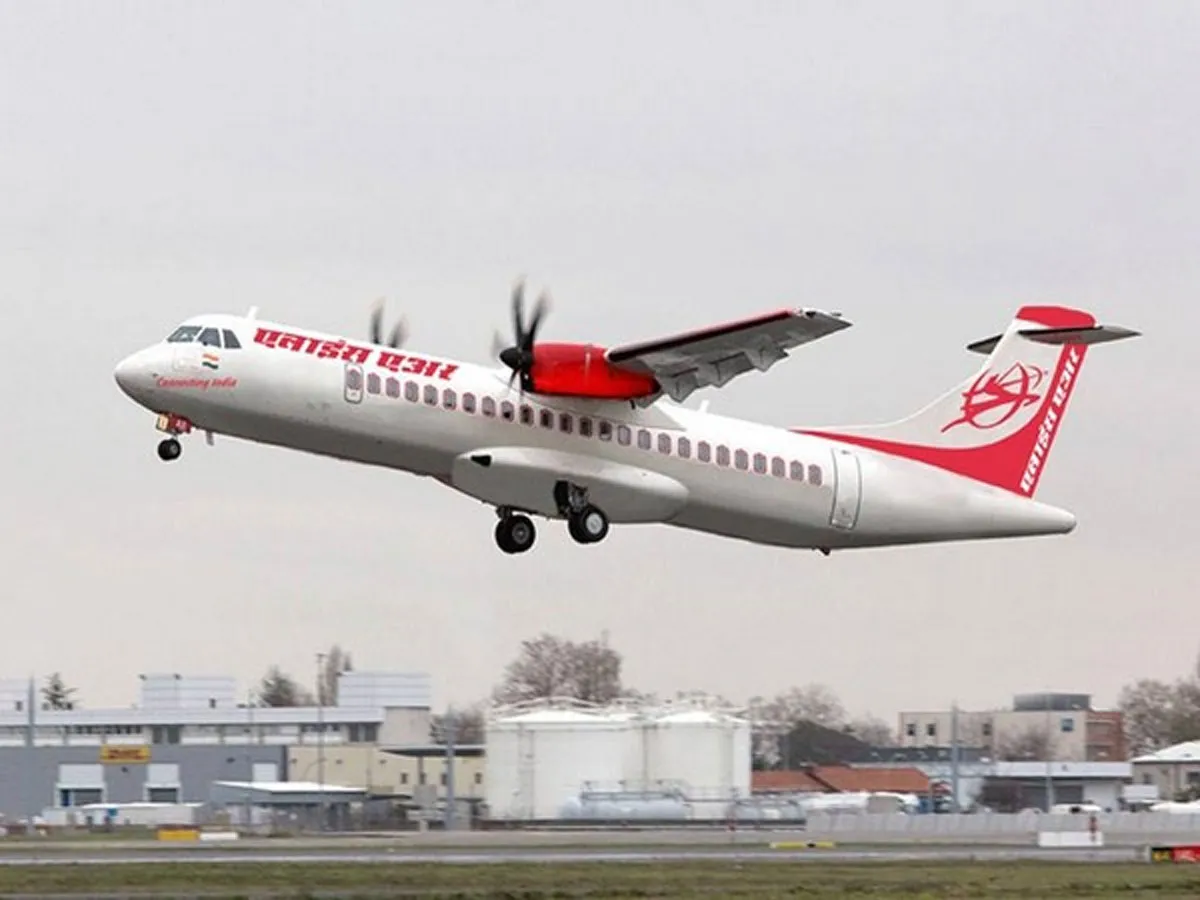
The Ude Desh ka Aam Naagrik (UDAN) regional connectivity scheme received a flat allocation of Rs 5,500 mn in Budget 2026, keeping the sum unchanged from the prior year. The move comes as central support for regional aviation tapers after successive rounds of route subsidy and infrastructure incentives. The unchanged allocation signals that the government intends to consolidate earlier investments rather than increase direct fiscal backing for expanded connectivity.

Stakeholders in the aviation sector are likely to interpret the budget stance as an encouragement to pursue commercially viable services and public private partnerships to sustain regional routes. Airlines and airport operators may need to reassess route economics and explore alternative revenue models and state level support. Analysts note that a stable allocation can nevertheless preserve existing operations while reducing expectations of new centrally funded initiatives.

State governments and private investors will play a crucial role in bridging gaps where market demand is still nascent. The scheme has previously relied on targeted support to make thin routes viable and the dial back of fresh funding will place greater emphasis on infrastructure efficiency, slot optimisation and demand stimulation measures at source and destination. Local connectivity projects may therefore shift toward blended financing and operational restructuring.

Budget documents show the allocation as Rs 5,500 mn, and officials are expected to provide implementation guidance in coming weeks, clarifying priorities for existing commitments. The fiscal approach suggests a tactical pause in scaling subsidies while preserving a safety net for ongoing services. Industry participants will watch for details on mechanism design and potential state centric schemes to ensure that regional mobility objectives continue to be met.

The Ude Desh ka Aam Naagrik (UDAN) regional connectivity scheme received a flat allocation of Rs 5,500 mn in Budget 2026, keeping the sum unchanged from the prior year. The move comes as central support for regional aviation tapers after successive rounds of route subsidy and infrastructure incentives. The unchanged allocation signals that the government intends to consolidate earlier investments rather than increase direct fiscal backing for expanded connectivity. Stakeholders in the aviation sector are likely to interpret the budget stance as an encouragement to pursue commercially viable services and public private partnerships to sustain regional routes. Airlines and airport operators may need to reassess route economics and explore alternative revenue models and state level support. Analysts note that a stable allocation can nevertheless preserve existing operations while reducing expectations of new centrally funded initiatives. State governments and private investors will play a crucial role in bridging gaps where market demand is still nascent. The scheme has previously relied on targeted support to make thin routes viable and the dial back of fresh funding will place greater emphasis on infrastructure efficiency, slot optimisation and demand stimulation measures at source and destination. Local connectivity projects may therefore shift toward blended financing and operational restructuring. Budget documents show the allocation as Rs 5,500 mn, and officials are expected to provide implementation guidance in coming weeks, clarifying priorities for existing commitments. The fiscal approach suggests a tactical pause in scaling subsidies while preserving a safety net for ongoing services. Industry participants will watch for details on mechanism design and potential state centric schemes to ensure that regional mobility objectives continue to be met.

Next Story
Infrastructure Transport

MMRDA advances 250 m on Orange Gate–Marine Drive tunnel

The Mumbai Metropolitan Region Development Authority (MMRDA) has completed 250 m of underground tunnelling for the Orange Gate–Marine Drive Urban Road Tunnel using India’s largest slurry shield tunnel boring machine (TBM) deployed for an urban road project.The project involves twin tunnels extending over 7 km beneath critical transport corridors, including Central Railway, Western Railway and Metro Line 3. The work requires high-precision engineering to navigate densely developed urban infrastructure.Once completed, the tunnel is expected to reduce travel time between Orange Gate and Marin..

Next Story
Infrastructure Urban

Hindustan Zinc Pays Rs 188.46 Billion in FY26

Hindustan Zinc contributed Rs 188.46 billion to the public exchequer in FY 2025-26, according to its 9th Tax Transparency Report. The contribution, equivalent to 46 per cent of the company’s revenue, included direct and indirect taxes, government royalties, dividends to the Government of India, withholding taxes and other statutory levies.The company’s five-year cumulative contribution to the exchequer stood at Rs 915.72 billion. In FY26, Hindustan Zinc reported revenue of Rs 408.44 billion, EBITDA of Rs 221.62 billion and profit after tax of Rs 138.32 billion. It also achieved its highest..

Next Story
Infrastructure Urban

World of Concrete India 2026 Opens in Mumbai

Informa Markets in India will host the 12th edition of World of Concrete India 2026 from 3–5 June 2026 at the Bombay Exhibition Centre, Mumbai. The specialised B2B exhibition will bring together manufacturers, suppliers, contractors, developers, architects, consultants, infrastructure companies, project leaders and government stakeholders.The event is expected to feature over 350 brands and more than 18,000 trade professionals. It will cover concrete and cement, dry mortar, precast technologies, formwork, construction chemicals, industrial and commercial flooring, scaffolding, safety solutio..

Advertisement

Subscribe to Our Newsletter

Get daily newsletters around different themes from Construction world.

STAY CONNECTED

Advertisement

Advertisement

Advertisement