Barrier-Free Tolling, Road Safety Bill Top Transport Agenda for 2026
ROADS & HIGHWAYS

Barrier-Free Tolling, Road Safety Bill Top Transport Agenda for 2026

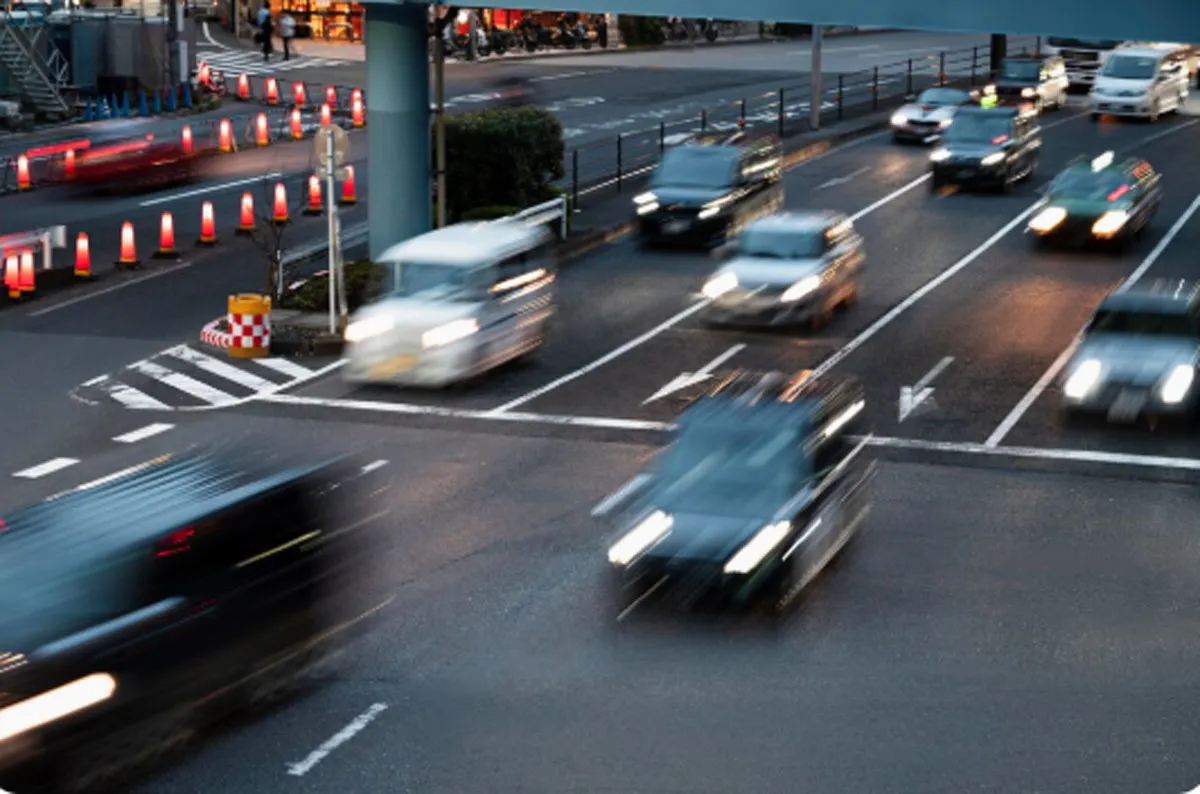
The implementation of seamless, barrier-free tolling across national highways and the passage of a new Road Safety Bill will be the top priorities of the Ministry of Road Transport and Highways in 2026, as the government intensifies efforts to curb road accidents and fatalities.

According to officials, road crashes currently claim nearly 1.8 lakh lives every year in India, underscoring the need for stronger enforcement, safer road design and technology-driven interventions. The proposed Road Safety Bill is expected to bring a comprehensive legal framework focused on safer mobility, stricter compliance and accountability across stakeholders.

Alongside legislative reforms, the ministry is pushing for nationwide rollout of barrier-free tolling systems to ensure uninterrupted traffic flow on highways. The move is aimed at reducing congestion at toll plazas, cutting travel time, improving fuel efficiency and enhancing commuter convenience. Officials said advanced tolling technologies will replace physical barriers, enabling vehicles to pass toll points without stopping.

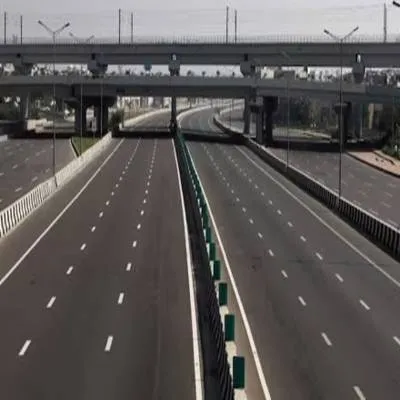
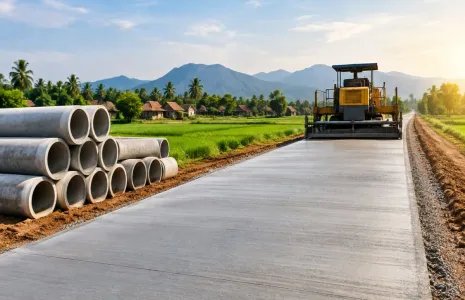
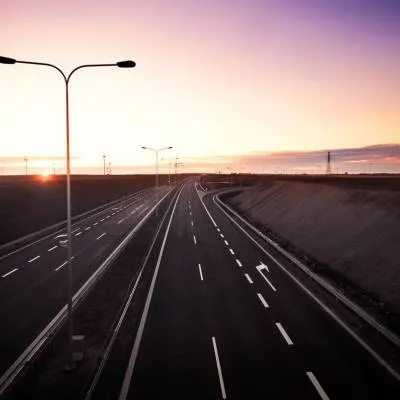
Infrastructure expansion will also remain a major focus area in 2026, with the ministry planning the inauguration of several marquee national highways and expressways. Among the key projects slated for completion is the 1,362-km Delhi–Mumbai Expressway, which is expected to be fully operational by November 2026. The Amritsar–Jamnagar highway is scheduled for completion by December 2026, strengthening connectivity across northern and western India.

Other major corridors expected to be inaugurated next year include the Bengaluru–Chennai Expressway by June 2026, the Ahmedabad–Dholera Expressway by March 2026, the Indore–Hyderabad highway by May 2026, and the Delhi–Dehradun Expressway by January 2026.

Officials said the commissioning of these high-capacity corridors will significantly reduce travel time, improve logistics efficiency and enhance road safety by diverting traffic from congested urban routes. Together with barrier-free tolling and a stronger legal framework, the initiatives are expected to mark a decisive shift towards safer, faster and more efficient road transport in India.

News source: The Hindu Businessline

The implementation of seamless, barrier-free tolling across national highways and the passage of a new Road Safety Bill will be the top priorities of the Ministry of Road Transport and Highways in 2026, as the government intensifies efforts to curb road accidents and fatalities.According to officials, road crashes currently claim nearly 1.8 lakh lives every year in India, underscoring the need for stronger enforcement, safer road design and technology-driven interventions. The proposed Road Safety Bill is expected to bring a comprehensive legal framework focused on safer mobility, stricter compliance and accountability across stakeholders.Alongside legislative reforms, the ministry is pushing for nationwide rollout of barrier-free tolling systems to ensure uninterrupted traffic flow on highways. The move is aimed at reducing congestion at toll plazas, cutting travel time, improving fuel efficiency and enhancing commuter convenience. Officials said advanced tolling technologies will replace physical barriers, enabling vehicles to pass toll points without stopping.Infrastructure expansion will also remain a major focus area in 2026, with the ministry planning the inauguration of several marquee national highways and expressways. Among the key projects slated for completion is the 1,362-km Delhi–Mumbai Expressway, which is expected to be fully operational by November 2026. The Amritsar–Jamnagar highway is scheduled for completion by December 2026, strengthening connectivity across northern and western India.Other major corridors expected to be inaugurated next year include the Bengaluru–Chennai Expressway by June 2026, the Ahmedabad–Dholera Expressway by March 2026, the Indore–Hyderabad highway by May 2026, and the Delhi–Dehradun Expressway by January 2026.Officials said the commissioning of these high-capacity corridors will significantly reduce travel time, improve logistics efficiency and enhance road safety by diverting traffic from congested urban routes. Together with barrier-free tolling and a stronger legal framework, the initiatives are expected to mark a decisive shift towards safer, faster and more efficient road transport in India.News source: The Hindu Businessline

Next Story
Infrastructure Urban

Rosatom Delivers Nuclear Fuel for Kudankulam Unit 3

Rosatom has recently supplied nuclear fuel for the initial loading of the VVER-1000 reactor core at Unit 3 of the Kudankulam Nuclear Power Plant, marking a key milestone in the second stage of the Russian-designed nuclear power project in southern India.The fuel was supplied by Rosatom’s Nuclear Fuel Division, managed by TVEL, and manufactured at the Novosibirsk Chemical Concentrates Plant. The delivery includes the initial reactor load along with reserve fuel assemblies and is part of a long-term contract covering the entire operational life of Units 3 and 4.Building on operational experien..

Next Story
Infrastructure Transport

CBL International Enables First LNG Bunkering at Xiaomo Port

CBL International recently completed the first-ever LNG bunkering operation at Xiaomo Port, supplying liquefied natural gas to vessels operated by BYD in support of its maritime decarbonisation strategy. The operation was facilitated through a physical supplier in collaboration with China National Offshore Oil Corporation (CNOOC), which supported the port’s inaugural LNG bunkering activity. The milestone represents a strategic expansion of CBL International's sustainable fuel offerings beyond biofuels, while also diversifying revenue streams. As global shipping intensifies efforts to cut em..

Next Story
Infrastructure Urban

Aimtron, Aurassure Partner for IoT Weather Systems

Aimtron Electronics has recently entered into an OEM manufacturing engagement with Aurassure to produce new-age, IoT-enabled weather and environmental monitoring systems in India. The collaboration supports the growing demand for real-time environmental intelligence across urban, industrial and infrastructure applications. The engagement comes as global focus on climate-risk management and data-driven planning accelerates. The global weather monitoring systems market, valued at around USD 2.1 billion in 2024, is projected to reach nearly USD 4.8 billion by 2034, driven by the rapid adoption o..

Advertisement

Subscribe to Our Newsletter

Get daily newsletters around different themes from Construction world.

STAY CONNECTED

Advertisement

Advertisement

Advertisement

Advertisement

Open In App