Centre Clears India’s First Underwater Road-rail Tunnel in Assam
ROADS & HIGHWAYS

Centre Clears India’s First Underwater Road-rail Tunnel in Assam

In a major infrastructure milestone, India is set to build its first underwater road-cum-rail tunnel across the Brahmaputra river in Assam, significantly strengthening strategic as well as civilian connectivity in the Northeast.

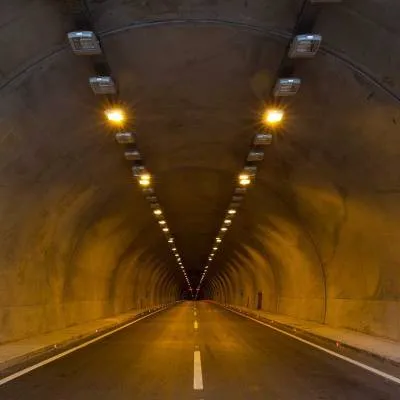
An inter-ministerial panel chaired by the Expenditure Secretary has granted in-principle approval for the construction of a 15.8-km-long twin-tube underwater tunnel between Gohpur and Numaligarh. One of the two tubes will house a single railway track, making it the country’s first underwater tunnel designed for both road and rail transport.

Officials said the project has been conceived to ensure faster mobilisation of security forces and military equipment during emergencies, while also improving connectivity to Arunachal Pradesh, Manipur and other northeastern states. Once operational, the tunnel is expected to reduce travel time between Gohpur and Numaligarh from nearly six-and-a-half hours to just about 30 minutes. The effective travel distance will also come down sharply from around 240 km to 34 km.

The overall project length, including the underwater tunnel, approach roads and railway infrastructure, will be 33.7 km. The estimated project cost stands at approximately Rs 18,600 crore. The twin tunnels will be unidirectional, with two lanes each, and will be constructed at a depth of nearly 32 metres below the deepest bed level of the Brahmaputra.

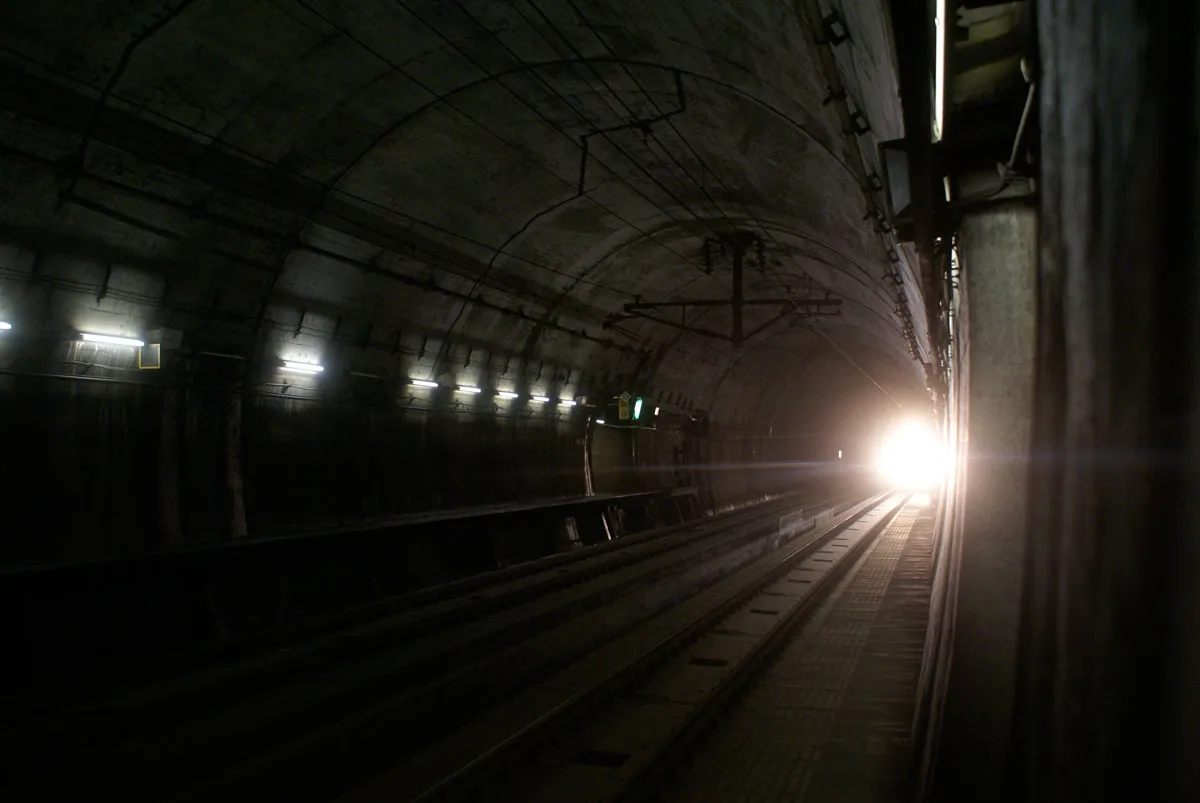
As per the proposed design, the tube carrying the railway line will not permit vehicular movement during train operations. Trains will run on electricity on a specially designed ballastless track.

The cost of the project will be shared by the Ministry of Road Transport and Highways, the Ministry of Railways and the Ministry of Defence. Officials said the proposal will now be placed before the Union Cabinet for final approval, which is expected ahead of the upcoming Assam Assembly elections. The project is targeted for completion within five years of the award of work.

The inclusion of a railway track, officials noted, has increased the project cost but will substantially enhance long-term connectivity and strategic capability in the region.

News source: Rediff


In a major infrastructure milestone, India is set to build its first underwater road-cum-rail tunnel across the Brahmaputra river in Assam, significantly strengthening strategic as well as civilian connectivity in the Northeast.An inter-ministerial panel chaired by the Expenditure Secretary has granted in-principle approval for the construction of a 15.8-km-long twin-tube underwater tunnel between Gohpur and Numaligarh. One of the two tubes will house a single railway track, making it the country’s first underwater tunnel designed for both road and rail transport.Officials said the project has been conceived to ensure faster mobilisation of security forces and military equipment during emergencies, while also improving connectivity to Arunachal Pradesh, Manipur and other northeastern states. Once operational, the tunnel is expected to reduce travel time between Gohpur and Numaligarh from nearly six-and-a-half hours to just about 30 minutes. The effective travel distance will also come down sharply from around 240 km to 34 km.The overall project length, including the underwater tunnel, approach roads and railway infrastructure, will be 33.7 km. The estimated project cost stands at approximately Rs 18,600 crore. The twin tunnels will be unidirectional, with two lanes each, and will be constructed at a depth of nearly 32 metres below the deepest bed level of the Brahmaputra.As per the proposed design, the tube carrying the railway line will not permit vehicular movement during train operations. Trains will run on electricity on a specially designed ballastless track.The cost of the project will be shared by the Ministry of Road Transport and Highways, the Ministry of Railways and the Ministry of Defence. Officials said the proposal will now be placed before the Union Cabinet for final approval, which is expected ahead of the upcoming Assam Assembly elections. The project is targeted for completion within five years of the award of work.The inclusion of a railway track, officials noted, has increased the project cost but will substantially enhance long-term connectivity and strategic capability in the region.News source: Rediff

Next Story
Real Estate

Hindware Introduces Starc Smart Wall Mount Toilet

Hindware has introduced the Starc Smart Wall-Mount Toilet under its Hindware Italian Collection, designed to combine automation, hygiene and contemporary bathroom aesthetics. The model features automatic flushing, sensor-based seat opening and closing, and remote-controlled functions. It also includes an oscillating water spray and warm air dryer for cleaning, along with a self-cleaning nozzle designed to maintain hygiene. Additional features include adjustable heated seating, customisable water temperature and pressure settings, a foot-touch flush system and an LCD control interface. The wa..

Next Story
Equipment

Company showcases North America-certified machinery and secures new deals

Zoomlion Heavy Industry Science & Technology Co., recently showcased a wide portfolio of North America-certified and customised construction equipment at CONEXPO-CON/AGG 2026 in Las Vegas. The display included engineering hoisting machinery, concrete equipment, earthmoving machinery, mining equipment and construction hoisting solutions tailored to regional operational requirements.All equipment presented at the exhibition complies with North American certification standards, with several models specifically developed to meet local regulatory requirements and site conditions. One of the hig..

Next Story
Technology

Sinoboom Launches Dual-ETM Smart Technology

Sinoboom recently introduced its Dual-ETM Smart Technology at CONEXPO-CON/AGG 2026, designed to enhance battery endurance and operational efficiency in electric boom lifts.The new technology integrates advanced components that enable real-time optimisation of power usage during equipment operation. By calculating the precise power requirement instantly, the system delivers only the energy needed for each movement, reducing the inefficiencies associated with conventional maximum-demand power systems.The solution incorporates multiple sensors—including pressure, weight, length and level sensor..

Advertisement

Subscribe to Our Newsletter

Get daily newsletters around different themes from Construction world.

STAY CONNECTED

Advertisement

Advertisement

Advertisement