Delhi-Katra Expressway To Be Completed By March 2027
ROADS & HIGHWAYS

Delhi-Katra Expressway To Be Completed By March 2027

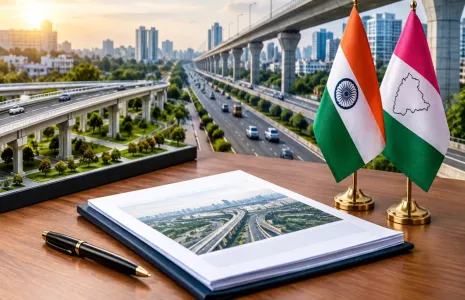
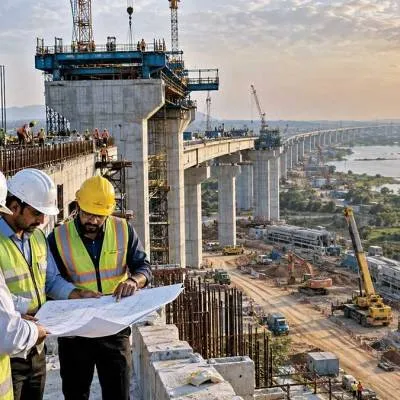
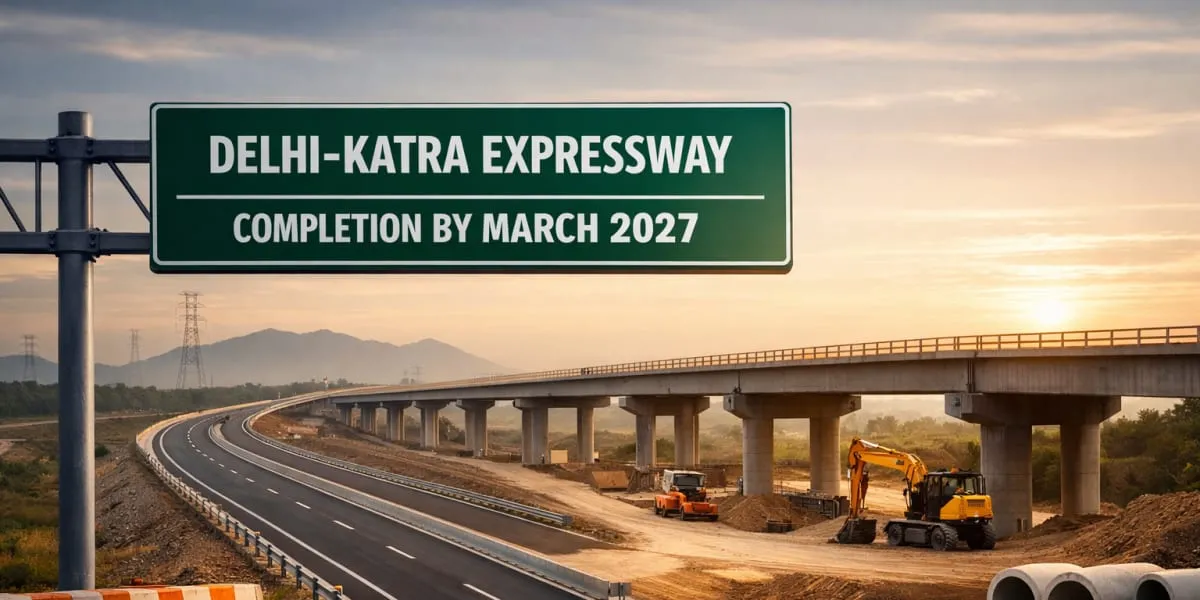
National Highways Authority of India (NHAI) has said that construction of the Delhi-Katra Expressway will be completed by March 2027, setting a clear deadline for the project. The authority indicated that the timeline reflects efforts to enhance connectivity between the national capital region and the pilgrimage town of Katra. Officials described the expressway as a strategic infrastructure initiative intended to reduce travel time and support regional mobility, economic activity and tourism in the surrounding areas.

NHAI is overseeing construction and coordinating with state governments and contractors to ensure adherence to the schedule and quality standards. The authority stated that project management teams are monitoring progress and resolving bottlenecks that could affect delivery. Emphasis was placed on maintaining safety standards and environmental compliance during construction. Stakeholder engagement has been maintained to address land and utility issues, and periodic reviews are being held to keep the programme on track towards the March 2027 target.

Completion of the expressway is expected to enhance regional connectivity and offer a more reliable corridor for movement of people and goods. Authorities anticipate improved access to pilgrimage sites and economic centres without specifying exact time savings. The route is intended to support local economies by facilitating commerce and logistics, while also creating opportunities for ancillary development along the corridor. Environmental and social safeguards were reported to be part of planning to balance development with local livelihoods.

The authority reaffirmed its commitment to meeting the March 2027 deadline and said periodic updates on milestones would be provided. Project stakeholders were reported to be focusing on timely completion while adhering to regulatory requirements and community concerns. The expressway is positioned as a long term infrastructure improvement that aligns with broader regional development strategies. Continued coordination among agencies and contractors was noted as essential to achieve the established timeline successfully.

National Highways Authority of India (NHAI) has said that construction of the Delhi-Katra Expressway will be completed by March 2027, setting a clear deadline for the project. The authority indicated that the timeline reflects efforts to enhance connectivity between the national capital region and the pilgrimage town of Katra. Officials described the expressway as a strategic infrastructure initiative intended to reduce travel time and support regional mobility, economic activity and tourism in the surrounding areas. NHAI is overseeing construction and coordinating with state governments and contractors to ensure adherence to the schedule and quality standards. The authority stated that project management teams are monitoring progress and resolving bottlenecks that could affect delivery. Emphasis was placed on maintaining safety standards and environmental compliance during construction. Stakeholder engagement has been maintained to address land and utility issues, and periodic reviews are being held to keep the programme on track towards the March 2027 target. Completion of the expressway is expected to enhance regional connectivity and offer a more reliable corridor for movement of people and goods. Authorities anticipate improved access to pilgrimage sites and economic centres without specifying exact time savings. The route is intended to support local economies by facilitating commerce and logistics, while also creating opportunities for ancillary development along the corridor. Environmental and social safeguards were reported to be part of planning to balance development with local livelihoods. The authority reaffirmed its commitment to meeting the March 2027 deadline and said periodic updates on milestones would be provided. Project stakeholders were reported to be focusing on timely completion while adhering to regulatory requirements and community concerns. The expressway is positioned as a long term infrastructure improvement that aligns with broader regional development strategies. Continued coordination among agencies and contractors was noted as essential to achieve the established timeline successfully.

Next Story
Equipment

MYCRANE Crosses 1,000 Customers in India

MYCRANE, the global platform for crane rental and purchase, has achieved major commercial milestones in India, reinforcing the country’s position as one of its fastest-growing strategic markets. The company has surpassed 1,000 registered customers and 1,000 crane suppliers nationwide, while completing more than 100 paid orders.The growth reflects rising adoption of digital procurement solutions across India’s construction, infrastructure, energy and industrial sectors. Equipment sourced through the platform is supporting projects across the country, with several leading contractors and EPC..

Next Story
Infrastructure Urban

AMTOE 2026 Opens Global Machine Tool Sourcing Hub

The Asian Machine Tool Online Exhibition 2026 (AMTOE 2026) has officially opened as a B2B sourcing platform connecting global buyers with verified Asian suppliers across the machine tool and manufacturing sector. The exhibition will run until 31 October 2026 through a hybrid online and offline model, offering extended sourcing and business networking opportunities.Co-organised by AsianNet and TradeAsia, the event aims to strengthen links between Asian manufacturers and international importers while improving cross-border procurement efficiency and supplier matching.Since launching in 2022, AMT..

Next Story
Infrastructure Energy

Vedanta Lifts Renewable Energy Use by Over 50%

On World Earth Day, Vedanta Limited announced that its renewable energy usage rose by over 50 per cent year on year to 3.97 billion units in FY26, helping avoid 3 million tonnes of carbon dioxide emissions.The company said its portfolio of metals, minerals, power, and oil & gas continues to support advanced manufacturing, electrification, energy transition and clean technology. Aluminium, copper and silver remain critical for applications such as mobility, power transmission, renewable infrastructure and solar photovoltaics, while iron, steel and zinc continue to support energy infrastruct..

Advertisement

Subscribe to Our Newsletter

Get daily newsletters around different themes from Construction world.

STAY CONNECTED

Advertisement

Advertisement

Advertisement