Jammu Ring Road Nears Launch, Promising Traffic Relief
ROADS & HIGHWAYS

Jammu Ring Road Nears Launch, Promising Traffic Relief

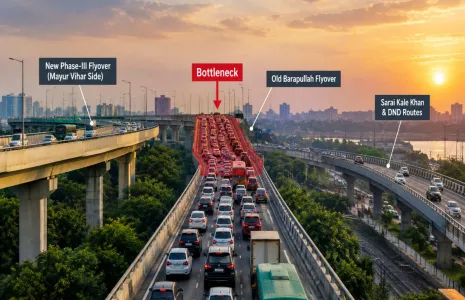
The National Highways Authority of India is set to commission the Jammu Ring Road by June this year, a move expected to bring major relief from chronic traffic congestion in the winter capital. The project, with an estimated cost of Rs 26.74 billion, will significantly divert through-traffic away from city roads.

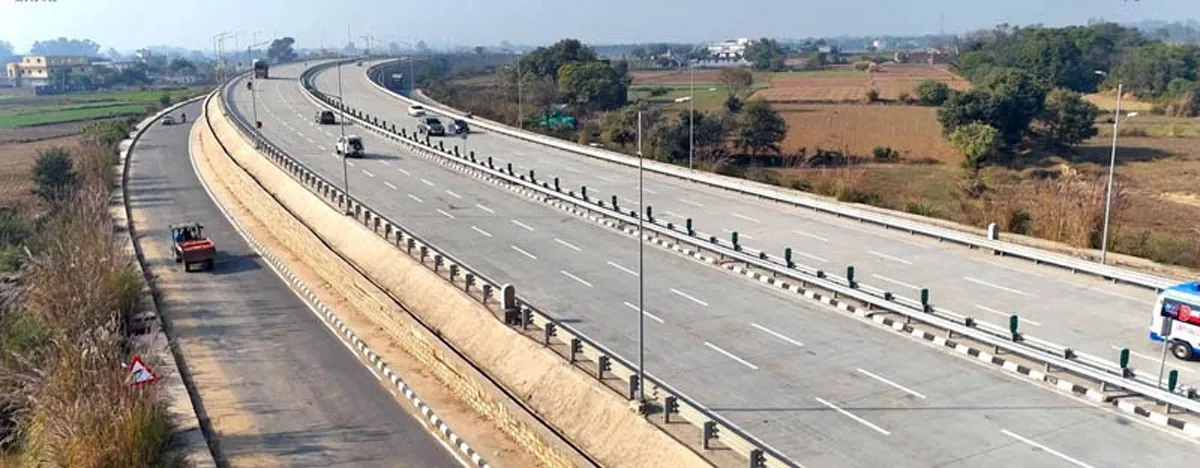
The nearly 56-km-long corridor, comprising a mix of six- and four-lane stretches, runs from Raya Morh in Samba district and connects to National Highway 44 near Jagti in Nagrota, around 14 km ahead of Jammu towards the Katra–Srinagar axis. Officials estimate that more than 60 per cent of vehicles travelling from Lakhanpur, Kathua and Samba towards Kashmir, Katra Mata Vaishnodevi, Doda–Kishtwar and the border districts of Rajouri and Poonch will use the ring road, easing pressure on Jammu city roads. Heavy, medium and light vehicles are all expected to shift to the new route.

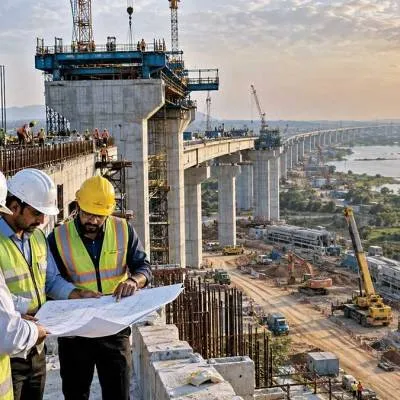
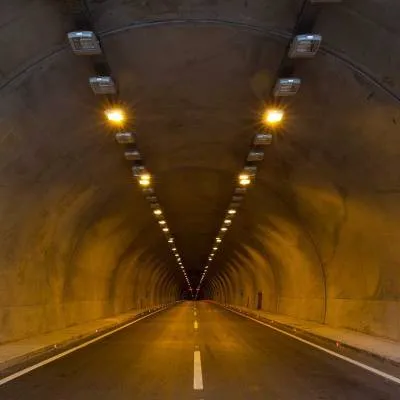
Construction began in 2018 with an initial completion target of three years, but the project faced delays. While Gayatri Constructions was awarded the main road works, the construction of four tunnels—two pairs with a combined length of about 3.1 km—was allotted to Bharat Constructions at a cost of Rs 6.5 billion. Two tunnels measure around 780 metres each, while the other two are approximately 700 metres long.

Delays were attributed to the COVID-19 lockdowns, prolonged land acquisition and technical challenges during tunnelling, including loose soil and falling rock inside one of the longer tunnels near Jagti. The contractor said the issues were resolved with expert intervention. The tunnel contractor expects savings of nearly Rs 2 billion on the allocated cost.

Rajiv Kumar, Project Director, NHAI Jammu, said around 95 per cent of the work on the Raya Morh–Jagti stretch has been completed, with only about 5 km pending near Jagti. Two tunnels are almost complete, approach roads are under construction, and a third tunnel is expected to be finished by June. The remaining tunnel is slated for completion by August or, at the latest, September 2026.

The project cost has escalated over time from the original Rs 20.24 billion due to delays and revised estimates. NHAI is also installing an Automatic Traffic Management System on the ring road to monitor speed limits and traffic violations.

Once commissioned, officials expect a 60–65 per cent reduction in traffic volume on Jammu city roads. Vehicles bound for Kashmir, Rajouri–Poonch, Katra Mata Vaishnodevi and Akhnoor–Khour are likely to prefer the ring road, a trend already visible on partially opened sections. The upcoming Delhi–Amritsar–Katra Expressway is also expected to further ease congestion.

Authorities said the combined impact of these projects would offer substantial long-term relief from traffic jams and heavy vehicle movement in Jammu.

The National Highways Authority of India is set to commission the Jammu Ring Road by June this year, a move expected to bring major relief from chronic traffic congestion in the winter capital. The project, with an estimated cost of Rs 26.74 billion, will significantly divert through-traffic away from city roads. The nearly 56-km-long corridor, comprising a mix of six- and four-lane stretches, runs from Raya Morh in Samba district and connects to National Highway 44 near Jagti in Nagrota, around 14 km ahead of Jammu towards the Katra–Srinagar axis. Officials estimate that more than 60 per cent of vehicles travelling from Lakhanpur, Kathua and Samba towards Kashmir, Katra Mata Vaishnodevi, Doda–Kishtwar and the border districts of Rajouri and Poonch will use the ring road, easing pressure on Jammu city roads. Heavy, medium and light vehicles are all expected to shift to the new route. Construction began in 2018 with an initial completion target of three years, but the project faced delays. While Gayatri Constructions was awarded the main road works, the construction of four tunnels—two pairs with a combined length of about 3.1 km—was allotted to Bharat Constructions at a cost of Rs 6.5 billion. Two tunnels measure around 780 metres each, while the other two are approximately 700 metres long. Delays were attributed to the COVID-19 lockdowns, prolonged land acquisition and technical challenges during tunnelling, including loose soil and falling rock inside one of the longer tunnels near Jagti. The contractor said the issues were resolved with expert intervention. The tunnel contractor expects savings of nearly Rs 2 billion on the allocated cost. Rajiv Kumar, Project Director, NHAI Jammu, said around 95 per cent of the work on the Raya Morh–Jagti stretch has been completed, with only about 5 km pending near Jagti. Two tunnels are almost complete, approach roads are under construction, and a third tunnel is expected to be finished by June. The remaining tunnel is slated for completion by August or, at the latest, September 2026. The project cost has escalated over time from the original Rs 20.24 billion due to delays and revised estimates. NHAI is also installing an Automatic Traffic Management System on the ring road to monitor speed limits and traffic violations. Once commissioned, officials expect a 60–65 per cent reduction in traffic volume on Jammu city roads. Vehicles bound for Kashmir, Rajouri–Poonch, Katra Mata Vaishnodevi and Akhnoor–Khour are likely to prefer the ring road, a trend already visible on partially opened sections. The upcoming Delhi–Amritsar–Katra Expressway is also expected to further ease congestion. Authorities said the combined impact of these projects would offer substantial long-term relief from traffic jams and heavy vehicle movement in Jammu.

Next Story
Infrastructure Energy

Rays Power Infra Wins Rs 19.12 Bn Renewable Energy Project

Rays Power Infra has secured a 300 MW renewable energy project valued at Rs 19.12 billion from a state-owned company, strengthening its position in India’s utility-scale clean energy sector. With this latest order, the company’s total order book has crossed Rs 80 billion.The project will be executed under Rays Power Infra’s co-development business model. Under this framework, the company will undertake land acquisition, secure interstate transmission system (ISTS) connectivity and carry out complete engineering, procurement and construction (EPC) works. The project is planned to be devel..

Next Story
Infrastructure Transport

MMRDA Signs $96 Bn MoUs at Davos, Marks Record Day 1 Haul

The Mumbai Metropolitan Region Development Authority (MMRDA) marked a historic achievement on the opening day of the World Economic Forum (WEF) Annual Summit 2026 in Davos by securing investment commitments worth about Rs 8.73 trillion. The investments were formalised through the signing of 10 major Memoranda of Understanding (MoUs), setting a new benchmark for the authority’s global outreach.According to MMRDA, the agreements are expected to generate nearly 9.6 lakh direct and indirect jobs, reinforcing the Mumbai Metropolitan Region’s position as a major talent and economic hub in India ..

Next Story
Infrastructure Transport

AAI Submits Hydrology Report to WRD for Chennai Airport Corridor

In a move to accelerate the implementation of an elevated corridor and the long-pending satellite terminal at Chennai Airport, the Airports Authority of India (AAI) has submitted a detailed study report to the Water Resources Department (WRD) of the Tamil Nadu government.The satellite terminal, first proposed nearly eight years ago, is aimed at easing congestion by handling additional aircraft and passenger traffic while optimally utilising remote bays at the airport. Although the project remained stalled for several years, it gained renewed momentum in 2024 after AAI revived the proposal.Acco..

Advertisement

Subscribe to Our Newsletter

Get daily newsletters around different themes from Construction world.

STAY CONNECTED

Advertisement

Advertisement

Advertisement

Advertisement

Open In App