
+
Karnataka Eyes Transport Grids For Tier 2, 3 Cities
ROADS & HIGHWAYS

Karnataka Eyes Transport Grids For Tier 2, 3 Cities

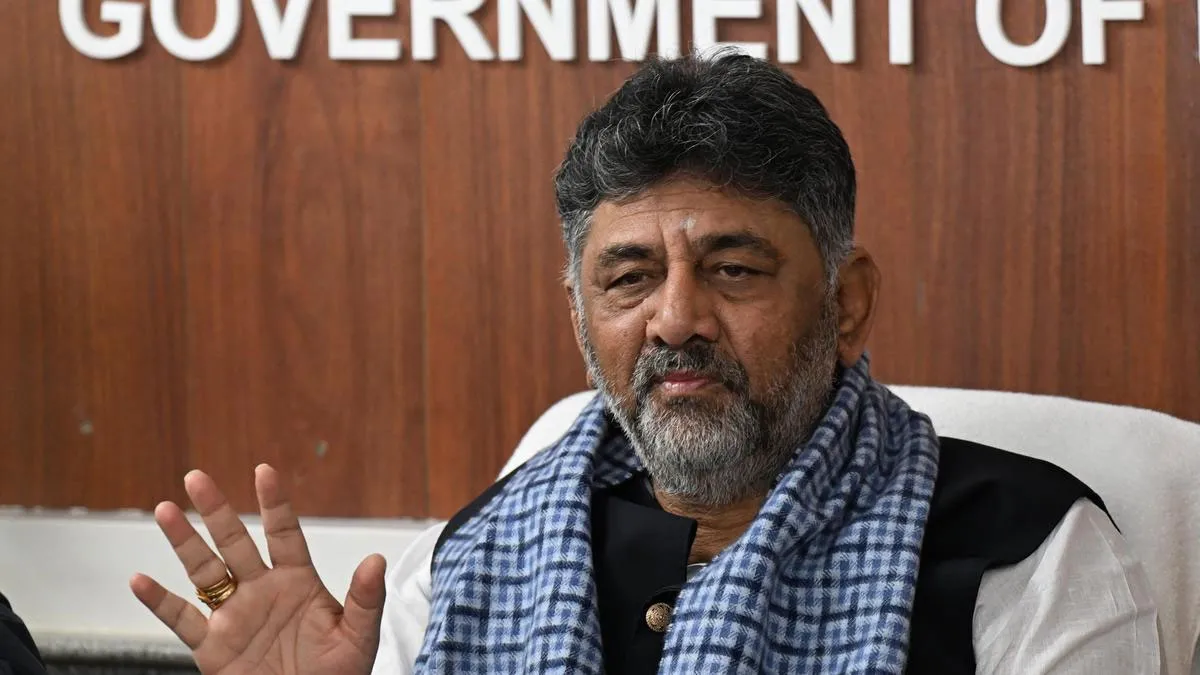
The Karnataka government is considering the development of comprehensive transport grids for tier 2 and tier 3 cities to meet growth requirements over the next 25 years, Deputy Chief Minister D K Shivakumar said on Sunday. The move comes amid growing interest from foreign companies looking to invest beyond the state’s major urban centres.

Speaking to the media after returning from Davos, which hosted the World Economic Forum, Shivakumar said several companies had shown interest in investing in smaller cities, which already have a basic level of infrastructure. He said the government is examining the creation of transport grids that would include ring roads in all cities, keeping in view planned development over the next 25 years. He stressed that forward-looking planning is essential given the pace of urban growth.

Citing expert projections, the Deputy Chief Minister said urbanisation in India could reach around 70 per cent over the next 25 years, making it critical to prepare cities for future mobility demands. He added that while 45 companies expressed interest in investing in Karnataka, the government chose not to sign agreements at Davos. Instead, potential investors will be encouraged to visit the state and assess factors such as human resources, infrastructure, climate and overall business environment first-hand. He noted that South Indian states are increasingly being seen as attractive investment destinations globally.

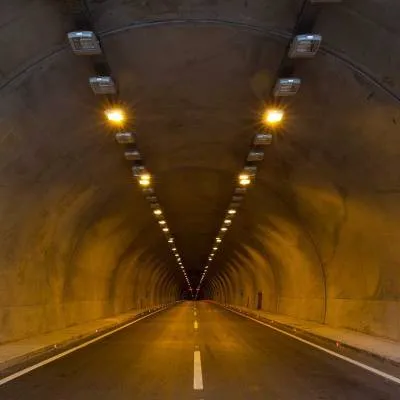
On urban infrastructure, Shivakumar said he had discussed tunnel road projects with Devendra Fadnavis, as Maharashtra has undertaken several such projects. He said suggestions were received on aspects such as parking facilities near tunnel portals, and that Karnataka officials plan to visit ongoing tunnel projects in Maharashtra to study best practices.

He also referred to the Maharashtra government’s agreement with Japan International Cooperation Agency for tunnel projects, adding that he intends to travel to Japan to hold discussions on Karnataka’s proposed tunnel road initiatives.

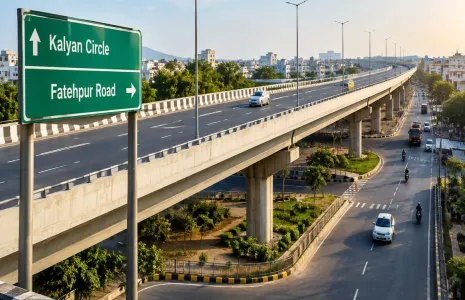
Holding the Bengaluru Development portfolio, Shivakumar said the state government plans to invest around Rs 2.5 trillion over the next five years to develop core infrastructure in Bengaluru. The investment will cover projects such as tunnel roads, elevated corridors and buffer roads, aimed at supporting the city’s long-term growth and its position as a major global business hub.

The Karnataka government is considering the development of comprehensive transport grids for tier 2 and tier 3 cities to meet growth requirements over the next 25 years, Deputy Chief Minister D K Shivakumar said on Sunday. The move comes amid growing interest from foreign companies looking to invest beyond the state’s major urban centres. Speaking to the media after returning from Davos, which hosted the World Economic Forum, Shivakumar said several companies had shown interest in investing in smaller cities, which already have a basic level of infrastructure. He said the government is examining the creation of transport grids that would include ring roads in all cities, keeping in view planned development over the next 25 years. He stressed that forward-looking planning is essential given the pace of urban growth. Citing expert projections, the Deputy Chief Minister said urbanisation in India could reach around 70 per cent over the next 25 years, making it critical to prepare cities for future mobility demands. He added that while 45 companies expressed interest in investing in Karnataka, the government chose not to sign agreements at Davos. Instead, potential investors will be encouraged to visit the state and assess factors such as human resources, infrastructure, climate and overall business environment first-hand. He noted that South Indian states are increasingly being seen as attractive investment destinations globally. On urban infrastructure, Shivakumar said he had discussed tunnel road projects with Devendra Fadnavis, as Maharashtra has undertaken several such projects. He said suggestions were received on aspects such as parking facilities near tunnel portals, and that Karnataka officials plan to visit ongoing tunnel projects in Maharashtra to study best practices. He also referred to the Maharashtra government’s agreement with Japan International Cooperation Agency for tunnel projects, adding that he intends to travel to Japan to hold discussions on Karnataka’s proposed tunnel road initiatives. Holding the Bengaluru Development portfolio, Shivakumar said the state government plans to invest around Rs 2.5 trillion over the next five years to develop core infrastructure in Bengaluru. The investment will cover projects such as tunnel roads, elevated corridors and buffer roads, aimed at supporting the city’s long-term growth and its position as a major global business hub.

Next Story
Infrastructure Transport

Lucknow Metro East-West Corridor Consultancy Contract Awarded

The Uttar Pradesh Metro Rail Corporation has awarded the first construction-related consultancy contract for the Lucknow Metro East West Corridor to a joint venture of AYESA Ingenieria Arquitectura SAU and AYESA India Pvt Ltd. The firm was declared the lowest bidder for the Detailed Design Consultant contract for Lucknow Metro Line-2 under Phase 1B and the contract was recommended following the financial bid. The contract is valued at Rs 159.0 million (mn), covering design services for the corridor. Lucknow Metro Line-2 envisages the construction of an 11.165 kilometre corridor connecting Cha..

Next Story
Infrastructure Urban

Div Com Kashmir Urges Fast Tracking Of Jhelum Water Transport Project

The Divisional Commissioner of Kashmir has called for the fast-tracking of the Jhelum water transport project, urging district administrations and relevant agencies to accelerate planning and clearances. In a meeting convened at the divisional headquarters, the commissioner instructed officials from irrigation, public health engineering and municipal departments to prioritise the project and coordinate survey and design work. The directive emphasised removal of administrative bottlenecks and close monitoring to ensure timely mobilisation of resources and contractors. Officials were told to in..

Next Story
Infrastructure Urban

Interarch Reports Strong Q3 And Nine Month Results

Interarch Building Solutions Limited reported unaudited results for the third quarter and nine months ended 31 December 2025, recording strong revenue growth driven by execution and a robust order book. Net revenue for the third quarter rose by 43.7 per cent to Rs 5.225 billion (bn), compared with Rs 3.636 bn a year earlier, reflecting heightened demand in pre-engineered building projects. The company’s total order book as at 31 January 2026 stood at Rs 16.85 bn, supporting near-term visibility. EBITDA excluding other income for the quarter increased by 43.2 per cent to Rs 503 million (mn),..

Advertisement

Subscribe to Our Newsletter

Get daily newsletters around different themes from Construction world.

STAY CONNECTED

Advertisement

Advertisement

Advertisement

Open In App