NHAI’s Barrier-Less MLFF Tolling System Records 20 Per Cent Growth
ROADS & HIGHWAYS

NHAI’s Barrier-Less MLFF Tolling System Records 20 Per Cent Growth

The National Highways Authority of India (NHAI) has recorded around 20 per cent growth in performance following the introduction of its barrier-less Multi-Lane Free Flow (MLFF) tolling system. The system has increased net toll revenue and transaction volumes across operational toll plazas, according to the Ministry of Road Transport and Highways.

Barrier-less tolling through MLFF technology began on 1 May this year. Since its launch, the system has been operationalised at eight additional plazas, including Mundka, Daulatpura, Gharaunda, Manoharpura, Shahjahanpur, Paranur, Nemili and Chennasamudram.

The ministry said seven plazas generated cumulative net revenue of about Rs. 5.39 bn. This compared with approximately Rs. 4.5 bn under the corresponding pre-MLFF benchmark, resulting in additional net revenue of around Rs. 900 mn.

The figures indicate higher revenue collection after the introduction of the barrier-less system at the operational locations. The technology enables toll transactions without requiring vehicles to stop at a physical barrier, allowing traffic to move through the plaza in a continuous manner.

The ministry said the initiative could support more efficient movement on national highways by reducing congestion and travel time at toll points. It also noted that smoother vehicle movement may help lower fuel consumption and vehicular emissions, while improving the overall travel experience for road users.

The MLFF model uses technology-driven toll collection to reduce dependence on conventional stop-and-pay arrangements. Its expansion across more plazas is intended to support seamless highway travel while improving the efficiency of toll operations and strengthening revenue collection. The latest results provide an early assessment of the system’s performance since its introduction at the initial locations.

The National Highways Authority of India (NHAI) has recorded around 20 per cent growth in performance following the introduction of its barrier-less Multi-Lane Free Flow (MLFF) tolling system. The system has increased net toll revenue and transaction volumes across operational toll plazas, according to the Ministry of Road Transport and Highways. Barrier-less tolling through MLFF technology began on 1 May this year. Since its launch, the system has been operationalised at eight additional plazas, including Mundka, Daulatpura, Gharaunda, Manoharpura, Shahjahanpur, Paranur, Nemili and Chennasamudram. The ministry said seven plazas generated cumulative net revenue of about Rs. 5.39 bn. This compared with approximately Rs. 4.5 bn under the corresponding pre-MLFF benchmark, resulting in additional net revenue of around Rs. 900 mn. The figures indicate higher revenue collection after the introduction of the barrier-less system at the operational locations. The technology enables toll transactions without requiring vehicles to stop at a physical barrier, allowing traffic to move through the plaza in a continuous manner. The ministry said the initiative could support more efficient movement on national highways by reducing congestion and travel time at toll points. It also noted that smoother vehicle movement may help lower fuel consumption and vehicular emissions, while improving the overall travel experience for road users. The MLFF model uses technology-driven toll collection to reduce dependence on conventional stop-and-pay arrangements. Its expansion across more plazas is intended to support seamless highway travel while improving the efficiency of toll operations and strengthening revenue collection. The latest results provide an early assessment of the system’s performance since its introduction at the initial locations.

Related Stories

Gold Stories

Next Story
Infrastructure Energy

JSW Motors Signs MoU with ARAI for Vehicle Development

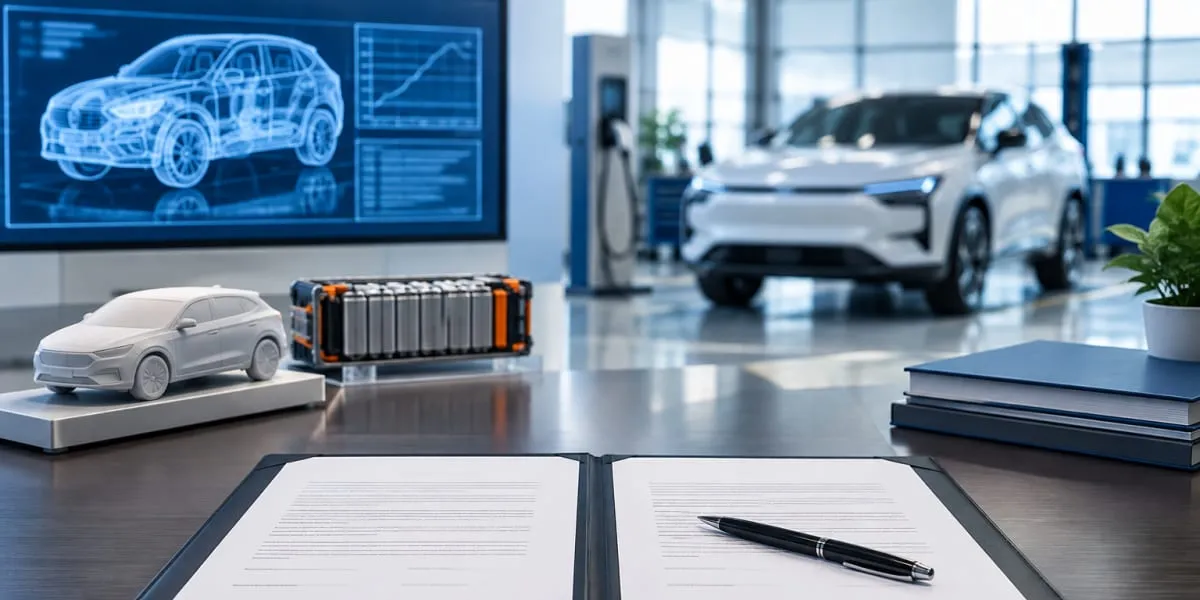
JSW Motors, the passenger vehicle arm of JSW Group, has signed a memorandum of understanding (MoU) with the Automotive Research Association of India (ARAI) for technical collaboration on the design, validation and localisation of new energy vehicles (NEVs). The agreement is intended to create technical foundations for vehicles designed for Indian operating conditions. The companies will work on vehicle engineering and technical baselines, testing, validation and performance assessment, according to JSW Motors. Their programme will also cover advanced driver assistance systems (ADAS), battery s..
Next Story
Infrastructure Urban

Karnataka Offers Support for Toyota Expansion Plans

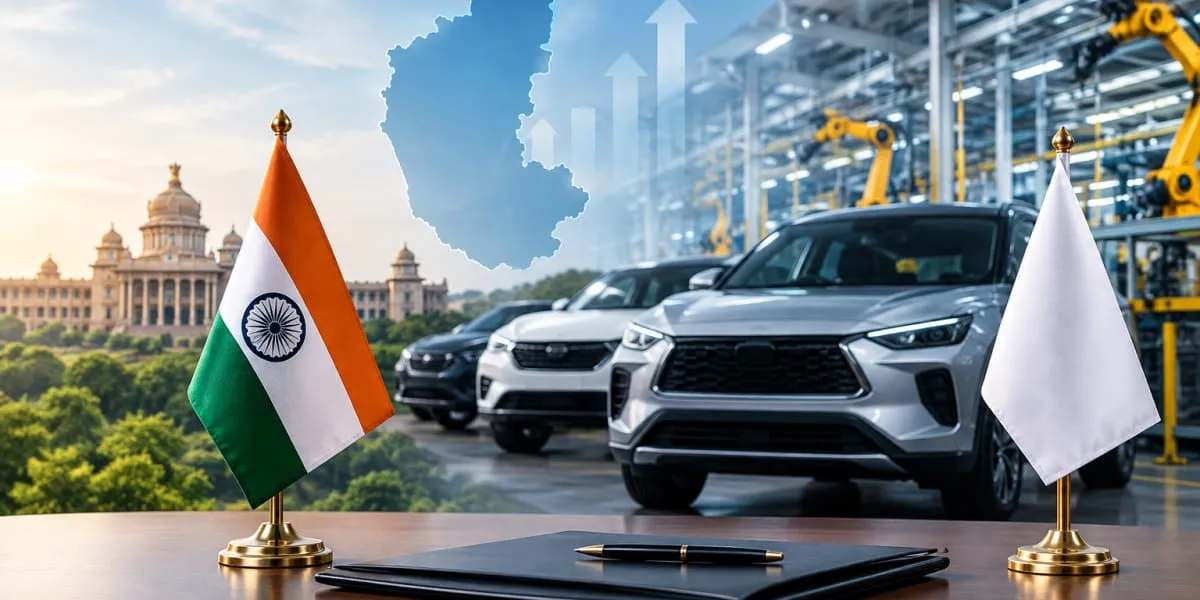
Karnataka Chief Minister D K Shivakumar assured Toyota Motor Corporation of the state government’s support for expanding its manufacturing operations during a meeting with the company’s senior leadership in Japan. The discussions covered higher production, new mobility solutions and further investment in Karnataka, as Toyota looks to increase vehicle production capacity to 1 mn in the near future. Shivakumar was accompanied by M B Patil, Karnataka’s Minister for Large and Medium Industries and Infrastructure Development. The Toyota delegation was led by Masakazu Yoshimura, the company’..
Next Story
Infrastructure Transport

Railways to Begin Bullet Train Trial on Surat-Bilimora Section

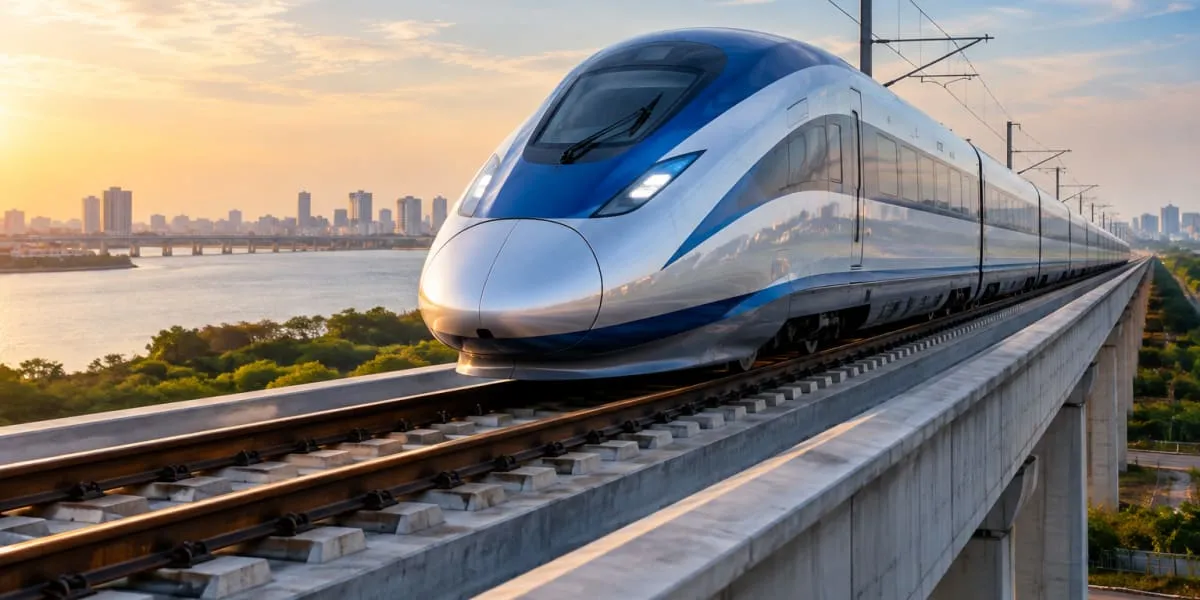
Indian Railways will begin a trial run of its bullet train service on the 50 km Surat-Bilimora section by May 2027. The section is part of the Mumbai-Ahmedabad high-speed rail corridor and is expected to provide the first operational segment of the project. The trial will use an indigenous trainset capable of travelling at 280 km per hour. Railway Ministry sources said the first section of the corridor, extending from Surat to Vapi, is scheduled to become operational by the end of 2027. The planned trial marks a step towards introducing high-speed rail services on the corridor, which connects ..

Subscribe to Our Newsletter

Get daily newsletters around different themes from Construction world.

STAY CONNECTED

Advertisement

SPECIAL OFFER
QR Code