Road infrastructure in India to witness mega push in 2022
ROADS & HIGHWAYS

Road infrastructure in India to witness mega push in 2022

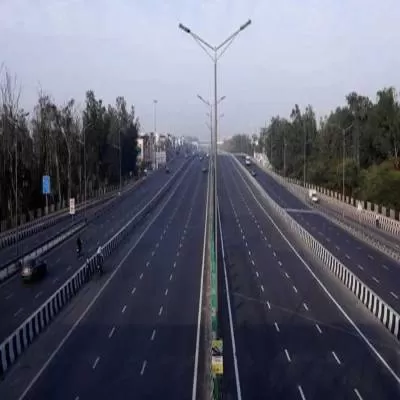
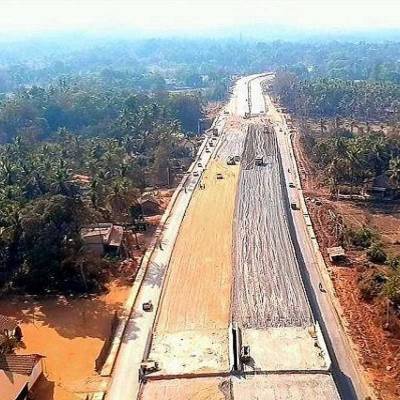
In 2022, India’s road sector will witness tremendous growth as there will be more stretches of national highways, granting and completion of numerous projects and fundraises in 2022, making it a better year than the passing one.

The 2022 radar will additionally witness an integrated multi-modal national network of transportation and logistics, connectivity with remote and tough terrains, decongestion of significant points in the road network and steering ahead with the voluntary vehicle scrappage policy, Road Transport Secretary Giridhar Aramane told the media.

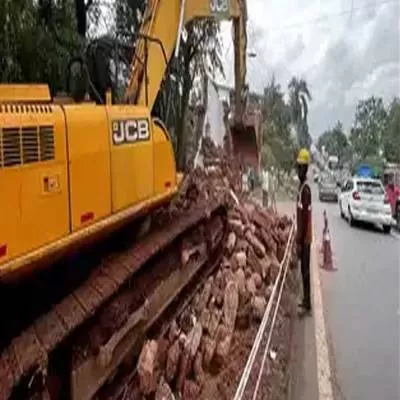
In the present fiscal, the Road Transport and highways ministry strives to build 40 km of national highway per day. The goal targeted by the ministry is higher than the record development of 37 km daily during the 2019-20 period.

As per Aramane, the accomplishment by the Ministry can be much more than the current fiscal year. Additionally, the Ministry has a pipeline for awards in 2022 under the Bharatmala Pariyojna and the National Highway general programme. Projects have been recognised by the ministry which needs to be presented next year under the Bharatmala Pariyojna.

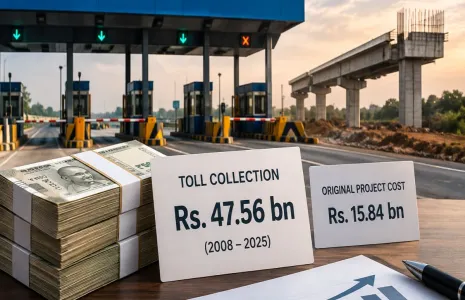
Concerning road assets’ monetisation, Aramane noted that all the roads developed by the state agencies are monetised for a short period, ranging from 1 to 3 years, or for a longer tenure spanning 15 to 25 years.

As soon as the ministry finishes road construction, MoRTH will toll it for a year if the market outlook is not good. The Ministry will do it for three years or under the Infrastructure Investment Trust or the Toll Operate Transfer model if the appetite is good.

He additionally said that the Modi government is thinking of securitising Delhi-Dehradun and Delhi-Amritsar-Katra Expressway projects. The ministry is planning securitisation of the Raipur–Visakhapatnam NH project, which is going to be India’s first mineral highway in terms that it holds most of the mineral created in Chhattisgarh, Odisha and Jharkhand to Visakhapatnam port as well as other economic hubs.

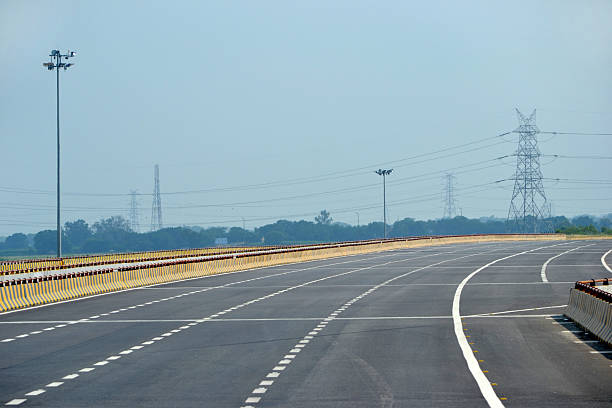
Image Source

Also read: Nitin Gadkari inaugurates Rs 4,160 cr road projects in Uttar Pradesh

In 2022, India’s road sector will witness tremendous growth as there will be more stretches of national highways, granting and completion of numerous projects and fundraises in 2022, making it a better year than the passing one. The 2022 radar will additionally witness an integrated multi-modal national network of transportation and logistics, connectivity with remote and tough terrains, decongestion of significant points in the road network and steering ahead with the voluntary vehicle scrappage policy, Road Transport Secretary Giridhar Aramane told the media. In the present fiscal, the Road Transport and highways ministry strives to build 40 km of national highway per day. The goal targeted by the ministry is higher than the record development of 37 km daily during the 2019-20 period. As per Aramane, the accomplishment by the Ministry can be much more than the current fiscal year. Additionally, the Ministry has a pipeline for awards in 2022 under the Bharatmala Pariyojna and the National Highway general programme. Projects have been recognised by the ministry which needs to be presented next year under the Bharatmala Pariyojna. Concerning road assets’ monetisation, Aramane noted that all the roads developed by the state agencies are monetised for a short period, ranging from 1 to 3 years, or for a longer tenure spanning 15 to 25 years. As soon as the ministry finishes road construction, MoRTH will toll it for a year if the market outlook is not good. The Ministry will do it for three years or under the Infrastructure Investment Trust or the Toll Operate Transfer model if the appetite is good. He additionally said that the Modi government is thinking of securitising Delhi-Dehradun and Delhi-Amritsar-Katra Expressway projects. The ministry is planning securitisation of the Raipur–Visakhapatnam NH project, which is going to be India’s first mineral highway in terms that it holds most of the mineral created in Chhattisgarh, Odisha and Jharkhand to Visakhapatnam port as well as other economic hubs. Image Source Also read: Nitin Gadkari inaugurates Rs 4,160 cr road projects in Uttar Pradesh

Next Story
Infrastructure Transport

Large Format Store Planned At M G Road Metro Station

M G Road station in Bengaluru is set to host the city’s first large-format commercial and experience space, with planning led by Bangalore Metro Rail Corporation Limited. BMRCL has invited proposals to develop and operate a central business district destination at the Purple?Pink Line interchange. The plan positions the station as a commercial hub designed to serve a broad commuter base across the city. The proposal is part of a broader effort to activate transit nodes commercially. Tender documents set a minimum monthly rental of Rs 0.944 million (mn), inclusive of GST, for the large-format..

Next Story
Infrastructure Energy

Government Cancels Auction Of Eleven Critical Mineral Blocks

The government has cancelled the auction of 11 critical and strategic mineral blocks after receiving a poor investor response and failing to attract a sufficient number of qualified bidders. The decision represents a setback to plans to ramp up domestic exploration and production of critical minerals amid global supply chain disruptions and rising demand for materials used in clean energy and advanced technologies. The mines ministry issued an annulment notice setting out the reasons for the cancellations. The annulment notice indicated that the auction process for five mineral blocks was canc..

Next Story
Infrastructure Energy

Gujarat Pushes Biogas Growth With 193 Operational Units

Gujarat has operationalised 193 biogas plants across the state and is planning to add 60 more units as part of a broader push to scale up clean and sustainable energy solutions. The existing plants, established under various government-supported schemes, process organic waste including cattle dung and agricultural residue to produce biogas and a nutrient-rich slurry. The output is mainly used for cooking and other energy needs in rural and semi-urban communities, while also improving local waste management practices. The Gujarat Energy Development Agency (GEDA) is leading the initiative and is..

Advertisement

Subscribe to Our Newsletter

Get daily newsletters around different themes from Construction world.

STAY CONNECTED

Advertisement

Advertisement

Advertisement