
+
Toll Rates Announced for Gorakhpur Link Expressway
ROADS & HIGHWAYS

Toll Rates Announced for Gorakhpur Link Expressway

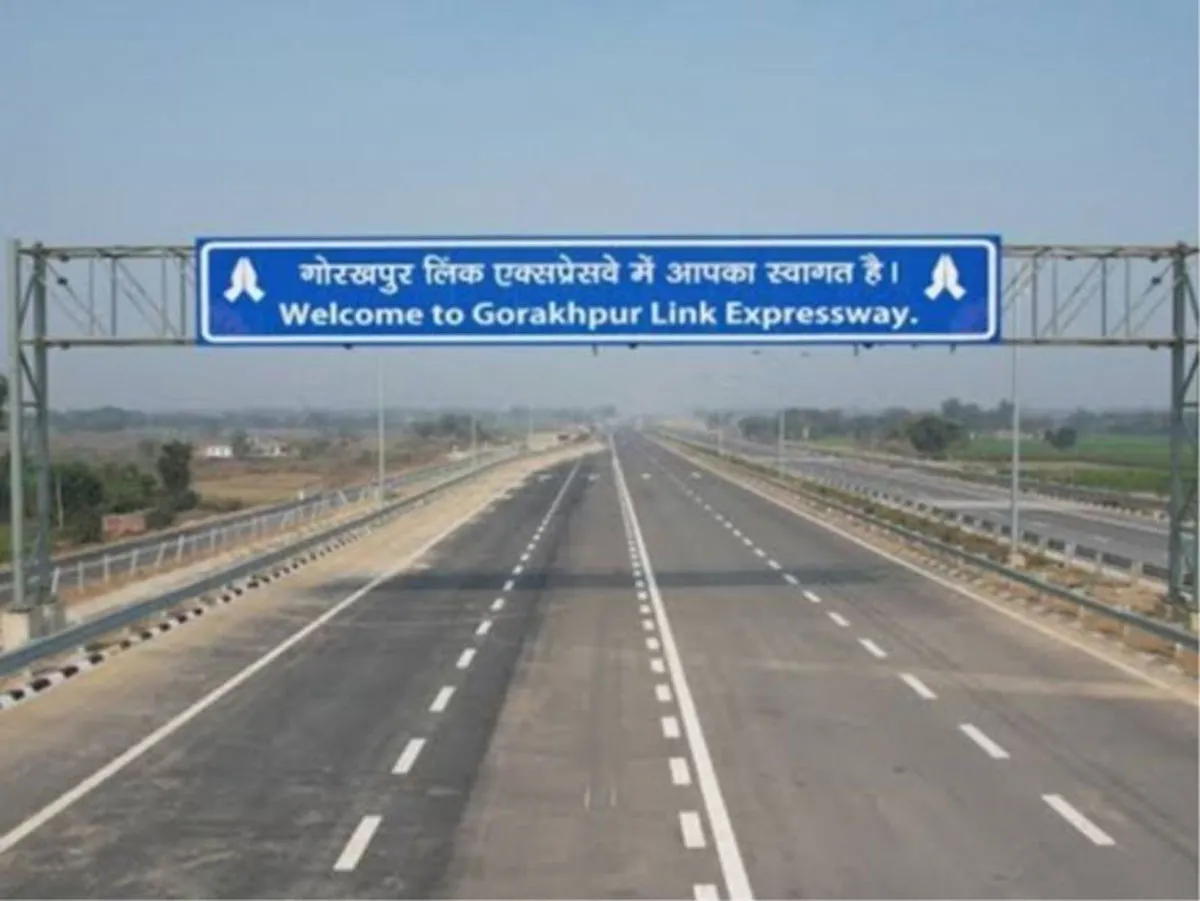
Lucknow has officially announced toll charges for the Gorakhpur Link Expressway, with the Uttar Pradesh Expressways Industrial Development Authority releasing rates for different vehicle categories on the 91.3 km corridor. For a single journey, private car users will pay up to Rs 285.

The toll notification, issued on Thursday, ends months of uncertainty for daily commuters and long-distance travellers using the expressway across eastern Uttar Pradesh.

The Gorakhpur Link Expressway has some of the highest toll rates among expressways in the state. On average, users will pay around Rs 3.12 per kilometre, compared with about Rs 2.20 per kilometre on the Lucknow–Agra Expressway, nearly Rs 2.14 per kilometre on the Bundelkhand Expressway and close to Rs 2 per kilometre on the Purvanchal Expressway.

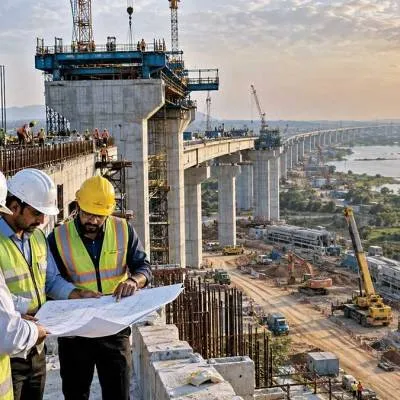
Officials from UPEIDA said the higher toll rates are linked to the overall project cost and construction challenges. The expressway took more than five years to complete, with multiple alignment changes required due to difficult ground conditions and natural obstacles. The Ghaghra river posed a major challenge, as its shifting course damaged embankments and affected bridge structures during the monsoon seasons of 2023 and 2024, forcing engineers to rebuild sections of the project.

These setbacks increased both construction costs and timelines, leading to cost overruns that are reflected in toll pricing, officials said.

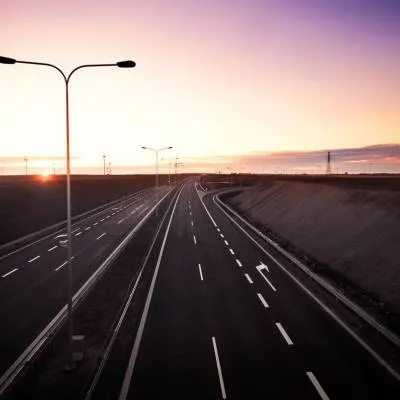
The Gorakhpur Link Expressway begins at Salarpur in Azamgarh district and ends at Jaitpur village in Gorakhpur, passing through Ambedkar Nagar and Sant Kabir Nagar. The four-lane, access-controlled highway was opened to the public in June last year and is designed to reduce travel time and improve connectivity across eastern Uttar Pradesh.

Authorities said the expressway includes multiple bridges, underpasses and interchanges, which add to construction and maintenance costs but are essential for safety and efficient traffic flow. With toll rates now confirmed, regular users can better plan travel expenses, while the expressway is expected to play a key role in strengthening regional connectivity in the coming years.

Lucknow has officially announced toll charges for the Gorakhpur Link Expressway, with the Uttar Pradesh Expressways Industrial Development Authority releasing rates for different vehicle categories on the 91.3 km corridor. For a single journey, private car users will pay up to Rs 285. The toll notification, issued on Thursday, ends months of uncertainty for daily commuters and long-distance travellers using the expressway across eastern Uttar Pradesh. The Gorakhpur Link Expressway has some of the highest toll rates among expressways in the state. On average, users will pay around Rs 3.12 per kilometre, compared with about Rs 2.20 per kilometre on the Lucknow–Agra Expressway, nearly Rs 2.14 per kilometre on the Bundelkhand Expressway and close to Rs 2 per kilometre on the Purvanchal Expressway. Officials from UPEIDA said the higher toll rates are linked to the overall project cost and construction challenges. The expressway took more than five years to complete, with multiple alignment changes required due to difficult ground conditions and natural obstacles. The Ghaghra river posed a major challenge, as its shifting course damaged embankments and affected bridge structures during the monsoon seasons of 2023 and 2024, forcing engineers to rebuild sections of the project. These setbacks increased both construction costs and timelines, leading to cost overruns that are reflected in toll pricing, officials said. The Gorakhpur Link Expressway begins at Salarpur in Azamgarh district and ends at Jaitpur village in Gorakhpur, passing through Ambedkar Nagar and Sant Kabir Nagar. The four-lane, access-controlled highway was opened to the public in June last year and is designed to reduce travel time and improve connectivity across eastern Uttar Pradesh. Authorities said the expressway includes multiple bridges, underpasses and interchanges, which add to construction and maintenance costs but are essential for safety and efficient traffic flow. With toll rates now confirmed, regular users can better plan travel expenses, while the expressway is expected to play a key role in strengthening regional connectivity in the coming years.

Next Story
Infrastructure Transport

Second Mountain Tunnel Breakthrough in Palghar Advances High Speed Rail

The Mumbai-Ahmedabad high speed rail (MAHSR) project reached a milestone with the breakthrough of a mountain tunnel in Palghar, Maharashtra. Mountain tunnel MT-six measures 454 metres long and 14.4 metres wide and will accommodate up and down tracks. The breakthrough follows MT-five near Saphale on second January 2026 and the MT-six excavation was completed from both ends using the New Austrian Tunnelling Method. The ministry reported that the tunnelling was completed within 12 months. The New Austrian Tunnelling Method is favoured for its flexibility in complex geology and irregular tunnel s..

Next Story
Infrastructure Transport

Modi Government Pushes Atmanirbhar Container Drive With BCSL MoU

The Union Government advanced a plan to create an integrated, domestically anchored container ecosystem with the signing of a Memorandum of Understanding to establish the Bharat Container Shipping Line (BCSL). The MoU was signed by key agencies including the Shipping Corporation of India and Container Corporation of India alongside major port authorities and Sagarmala Finance Corporation Limited under the Ministry of Ports, Shipping and Waterways, in the presence of senior ministers. The initiative aligns with the Container Manufacturing Assistance Scheme announced in the Union Budget 2026–2..

Next Story
Infrastructure Urban

Ministry Reports Gains In Mobility For Marginalised Communities

The Ministry of Social Justice and Empowerment is implementing skill development, education and rehabilitation schemes to promote socio-economic mobility and sustainable livelihoods for marginalised and disadvantaged communities across the country. Programmes target Scheduled Castes, Other Backward Classes, Economically Weaker Sections, De-notified Tribes and Safai Karamcharis through specialised implementing corporations and empanelled training institutes. Pradhan Mantri Dakshata Aur Kushalta Sampann Hitgrahi Yojana, or PM-DAKSH, provided skill training and placement support through the Nati..

Advertisement

Subscribe to Our Newsletter

Get daily newsletters around different themes from Construction world.

STAY CONNECTED

Advertisement

Advertisement

Advertisement

Open In App