
Tunnel Road Proposed Via Bandipur After Flyover
ROADS & HIGHWAYS

Tunnel Road Proposed Via Bandipur After Flyover

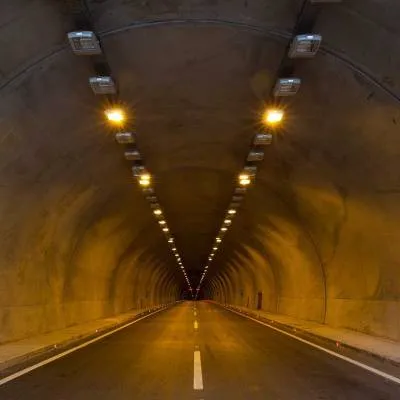
Local authorities have proposed a tunnel road through the Bandipur region following completion of a recently opened flyover, with the initiative described as an effort to improve connectivity and reduce surface traffic through sensitive areas. The proposal seeks to provide an alternative route for through traffic while allowing local roads to serve community and tourism needs, and it is being framed as complementary to the flyover project. Officials have indicated that the tunnel concept is intended to limit roadside development and minimise interactions between vehicles and wildlife.

Conservation groups and forest authorities are expected to scrutinise the proposal closely given Bandipur's status as a critical wildlife habitat and corridor. Environmental assessments are likely to examine potential impacts on tiger and elephant movement, water tables and vegetation, and to recommend alignment and construction methods that avoid sensitive zones. The planning process is anticipated to include biodiversity surveys, mitigation planning and measures to ensure that the road does not fragment habitats or increase vehicle strikes.

Transport planners have indicated that the tunnel option would demand detailed geological studies and careful design to address drainage, ventilation and long term maintenance needs. Construction is likely to raise questions about access for machinery, sourcing of materials and the potential for cost escalation, and agencies will need to weigh short term disruption against longer term benefits. Local administrations and highway authorities are expected to coordinate on traffic diversion plans and on safeguards for adjacent communities.

Decision makers have said that any proposal will pass through statutory clearances and public consultations before moving to implementation, with timelines hinging on the outcomes of technical and environmental studies. Funding considerations and approvals will shape the pace of work and design. Officials say revisions may reduce ecological footprints while maintaining connectivity and minimising long term disruption to habitats and nearby communities.

Local authorities have proposed a tunnel road through the Bandipur region following completion of a recently opened flyover, with the initiative described as an effort to improve connectivity and reduce surface traffic through sensitive areas. The proposal seeks to provide an alternative route for through traffic while allowing local roads to serve community and tourism needs, and it is being framed as complementary to the flyover project. Officials have indicated that the tunnel concept is intended to limit roadside development and minimise interactions between vehicles and wildlife. Conservation groups and forest authorities are expected to scrutinise the proposal closely given Bandipur's status as a critical wildlife habitat and corridor. Environmental assessments are likely to examine potential impacts on tiger and elephant movement, water tables and vegetation, and to recommend alignment and construction methods that avoid sensitive zones. The planning process is anticipated to include biodiversity surveys, mitigation planning and measures to ensure that the road does not fragment habitats or increase vehicle strikes. Transport planners have indicated that the tunnel option would demand detailed geological studies and careful design to address drainage, ventilation and long term maintenance needs. Construction is likely to raise questions about access for machinery, sourcing of materials and the potential for cost escalation, and agencies will need to weigh short term disruption against longer term benefits. Local administrations and highway authorities are expected to coordinate on traffic diversion plans and on safeguards for adjacent communities. Decision makers have said that any proposal will pass through statutory clearances and public consultations before moving to implementation, with timelines hinging on the outcomes of technical and environmental studies. Funding considerations and approvals will shape the pace of work and design. Officials say revisions may reduce ecological footprints while maintaining connectivity and minimising long term disruption to habitats and nearby communities.

Related Stories

Gold Stories

Next Story
Infrastructure Urban

KONE Opens India's First Digital Experience Centre in Pune

KONE, a global elevator and escalator manufacturer, has inaugurated its first Digital Experience Centre (DEC) in India, located in Pune. The facility aims to showcase how artificial intelligence (AI), connectivity and data-driven technologies can enhance customer experiences and improve building operations.The centre was inaugurated by Jussi Herlin, Executive Vice Chair, KONE Corporation; Philippe Delorme, President and CEO, KONE; and Nandan Nilekani, Co-founder and Chairman of the Board, Infosys.Designed as an interactive customer environment, the facility demonstrates digital solutions cover..

Next Story
Infrastructure Urban

CII GreenCo Launches Circularity Guidelines for Indian Industry

The Confederation of Indian Industry (CII) GreenCo Council has launched the CII GreenCo Circularity Guidelines – Pilot Version at the 17th CII GreenCo Waste & Resource Management Summit 2026 in Chennai. The initiative aims to strengthen resource efficiency, waste reduction and circular economy practices across Indian manufacturing and process industries.The guidelines introduce a structured framework with circularity indices covering raw materials, consumables, packaging and other resource inputs. These indicators will help industries assess existing practices, identify opportunities to ..

Next Story
Infrastructure Energy

Global Electronics Association Launches IPC-1783-CO2E Standard

The Global Electronics Association has introduced IPC-1783-CO2E, a new international standard aimed at improving consistency, transparency and comparability in product carbon footprint reporting across the electronics manufacturing industry.The standard, titled International Standard for Data Collection and Reporting of CO2 Equivalent (CO2e) Emissions for the Electronics Manufacturing Supply Chain, provides industry-specific guidance for collecting, estimating and reporting carbon emissions data.With increasing regulatory requirements and customer expectations, electronics manufacturers face c..

Advertisement

Subscribe to Our Newsletter

Get daily newsletters around different themes from Construction world.

STAY CONNECTED

Advertisement

SPECIAL OFFER
QR Code