13 Firms Bid for Rs 11.45 Billion Jaipur Metro Phase 2 Package
RAILWAYS & METRO RAIL

13 Firms Bid for Rs 11.45 Billion Jaipur Metro Phase 2 Package

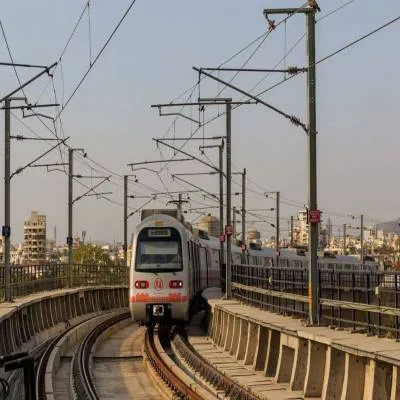
Rajasthan Metro Rail Corporation Limited has received bids from 13 infrastructure companies for the first civil construction package of Jaipur Metro Phase 2, marking a key step in the expansion of the city’s rapid transit network. The tender, floated in October 2025 under Package NCB: 2C-01, is valued at around Rs 11.45 billion.

The bidding has attracted major domestic infrastructure players, including Afcons Infrastructure, Ashoka Buildcon, Ceigall India, Dineshchandra R. Agrawal Infracon, G R Infraprojects, HG Infra Engineering, J Kumar Infraprojects, Kalpataru Projects International, KEC International, Larsen & Toubro, NCC, Rail Vikas Nigam and Ranjit Buildcon, reflecting strong industry interest in the project.

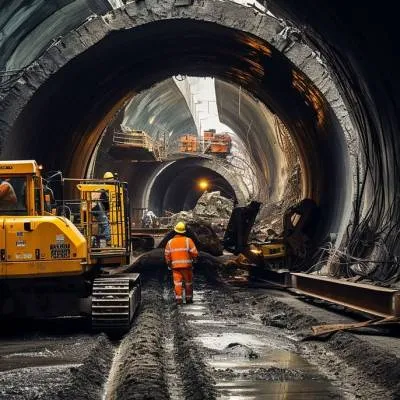
The scope of work under the package includes the design and construction of an elevated viaduct along with 10 elevated stations at Prahladpura, Manpura, Bilwa Kalan, Bilwa, Goner Mod, Sitapura, JECC, Kumbha Marg, Haldighati Gate and Pinjrapole Gaushala. Architectural finishing is excluded from the contract. The alignment will extend from a chainage of minus 600 metres to 11,400 metres and also includes a spur line leading to the Jaipur Metro Phase 2 depot.

According to a statement issued by the Press Information Bureau, the Ministry of Housing and Urban Affairs has proposed Jaipur Metro Phase II as a 42.8 km north–south corridor connecting Prahladpura with Todi Mod. The corridor will feature 36 stations, of which 34 will be elevated and two underground, serving key locations such as Haldighati Gate, Sitapura Industrial Area, SMS Hospital, Ambabari and Vidhyadhar Nagar.

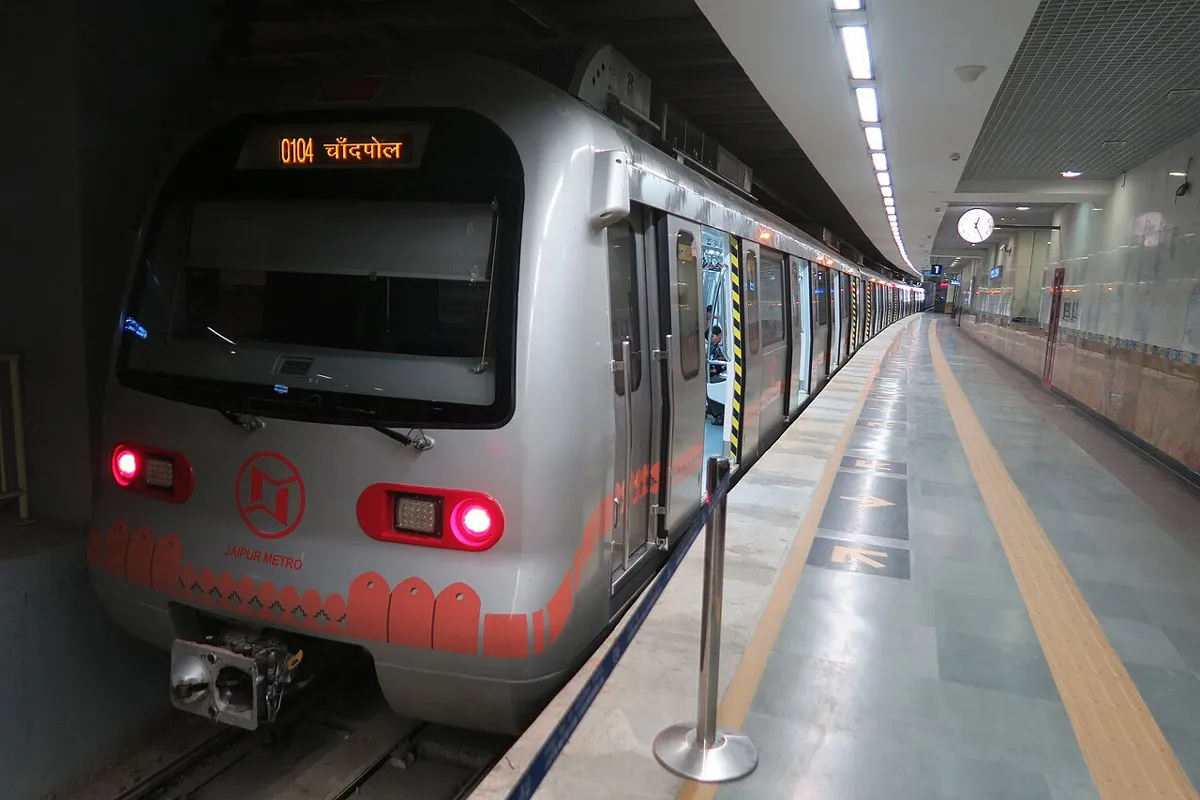
The proposed alignment will largely follow Tonk Road and pass through the Sitapura industrial belt, improving connectivity to some of Jaipur’s fastest-growing residential and employment hubs. Integration with the existing metro network has also been planned, including a direct interchange at Chandpole station on the east–west line and a foot-over-bridge connection at Jaipur Junction Metro station to enable seamless passenger transfers.

Rajasthan Metro Rail Corporation Limited has received bids from 13 infrastructure companies for the first civil construction package of Jaipur Metro Phase 2, marking a key step in the expansion of the city’s rapid transit network. The tender, floated in October 2025 under Package NCB: 2C-01, is valued at around Rs 11.45 billion. The bidding has attracted major domestic infrastructure players, including Afcons Infrastructure, Ashoka Buildcon, Ceigall India, Dineshchandra R. Agrawal Infracon, G R Infraprojects, HG Infra Engineering, J Kumar Infraprojects, Kalpataru Projects International, KEC International, Larsen & Toubro, NCC, Rail Vikas Nigam and Ranjit Buildcon, reflecting strong industry interest in the project. The scope of work under the package includes the design and construction of an elevated viaduct along with 10 elevated stations at Prahladpura, Manpura, Bilwa Kalan, Bilwa, Goner Mod, Sitapura, JECC, Kumbha Marg, Haldighati Gate and Pinjrapole Gaushala. Architectural finishing is excluded from the contract. The alignment will extend from a chainage of minus 600 metres to 11,400 metres and also includes a spur line leading to the Jaipur Metro Phase 2 depot. According to a statement issued by the Press Information Bureau, the Ministry of Housing and Urban Affairs has proposed Jaipur Metro Phase II as a 42.8 km north–south corridor connecting Prahladpura with Todi Mod. The corridor will feature 36 stations, of which 34 will be elevated and two underground, serving key locations such as Haldighati Gate, Sitapura Industrial Area, SMS Hospital, Ambabari and Vidhyadhar Nagar. The proposed alignment will largely follow Tonk Road and pass through the Sitapura industrial belt, improving connectivity to some of Jaipur’s fastest-growing residential and employment hubs. Integration with the existing metro network has also been planned, including a direct interchange at Chandpole station on the east–west line and a foot-over-bridge connection at Jaipur Junction Metro station to enable seamless passenger transfers.

Next Story
Infrastructure Urban

Implementation Status of Jal Jeevan Mission

Since August 2019 the Government has implemented Jal Jeevan Mission to provide assured potable water through household tap connections in rural India. At the start of the mission only 32.3 million (mn) rural households, representing 16.7 per cent, were reported to have tap water connections. States and union territories have reported that 125.8 mn additional rural households have since been provided with tap connections. As a result, of about 193.6 mn rural households roughly 158.2 mn, or 81.71 per cent, are reported to have tap water supply at home.\n\nThe State, district and village level st..

Next Story
Infrastructure Urban

Jal Jeevan Mission Reaches Eighty One Per Cent Rural Coverage

The Government reported substantial progress under the Jal Jeevan Mission, launched in August 2019 to provide tap water to every rural household. At launch only 32.3 million (mn) rural households had tap connections and states and Union territories reported provision of 125.8 mn additional households by March 2026. Consequently, out of about 193.6 mn rural households around 158.2 mn, or 81.71 per cent, are reported to have tap water at home. The Finance Minister announced extension of the mission until 2028 in the 2025-26 budget speech. The Swachh Bharat Mission Grameen, launched in October 20..

Next Story
Infrastructure Urban

Empowering Local Governance for Sustainable Rural Water Supply

The Ministry of Jal Shakti has aligned the Jal Jeevan Mission (JJM) with the 73rd Amendment to strengthen village level planning and community ownership of water supply. Gram Panchayats, village water and sanitation committees and Pani Samitis are to plan, implement, manage and maintain piped water systems, with gram sabha processes formalising handover and oversight. Implementation support agencies including non government organisations, community based organisations and self help groups have been empanelled to train local committees and promote women participation. Under JJM, the department ..

Advertisement

Subscribe to Our Newsletter

Get daily newsletters around different themes from Construction world.

STAY CONNECTED

Advertisement

Advertisement

Advertisement