Cabinet Clears Rs 120.15-Bn Delhi Metro Phase 5A Expansion
RAILWAYS & METRO RAIL

Cabinet Clears Rs 120.15-Bn Delhi Metro Phase 5A Expansion

The Union Cabinet, chaired by Prime Minister Narendra Modi, has approved Delhi Metro’s Phase 5A expansion project at a total cost of Rs 120.14 billion, paving the way for three new corridors spanning over 16 km and adding 13 stations to the capital’s rapid transit network.

Announcing the decision, Ashwini Vaishnaw, Minister of Railways, Information & Broadcasting and Electronics & IT, said the expansion will take the Delhi Metro network beyond the 400-km mark, further strengthening urban mobility in the national capital. The project is expected to be completed within three years.

As per the official release, the project cost will be shared by the Government of India, the Government of Delhi and international funding agencies. The approved Phase 5A includes three corridors: R.K. Ashram Marg to Indraprastha (9.913 km), Aerocity to Indira Gandhi Domestic Airport Terminal 1 (2.263 km), and Tughlakabad to Kalindi Kunj (3.9 km). Of the 13 stations planned, 10 will be underground and three elevated.

A major highlight of the expansion is enhanced connectivity to the Central Vista area. The R.K. Ashram Marg–Indraprastha corridor will provide direct metro access to all Kartavya Bhawans, benefiting an estimated 60,000 government employees and nearly two lakh daily visitors. The corridor is also expected to decongest Connaught Place by diverting commuter traffic.

The Aerocity–IGD Terminal 1 and Tughlakabad–Kalindi Kunj stretches will strengthen links between South Delhi and the domestic airport, improving access via areas such as Saket, Chhatarpur and Kalindi Kunj. The R.K. Ashram Marg–Indraprastha line will further improve connectivity between West, North, Old and Central Delhi.

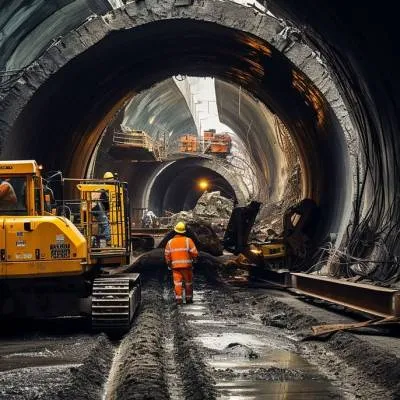
Construction will use tunnel boring machines and earth removal methods to minimise traffic disruption. The new corridors are expected to ease road congestion, reduce pollution and cut fossil fuel dependence.

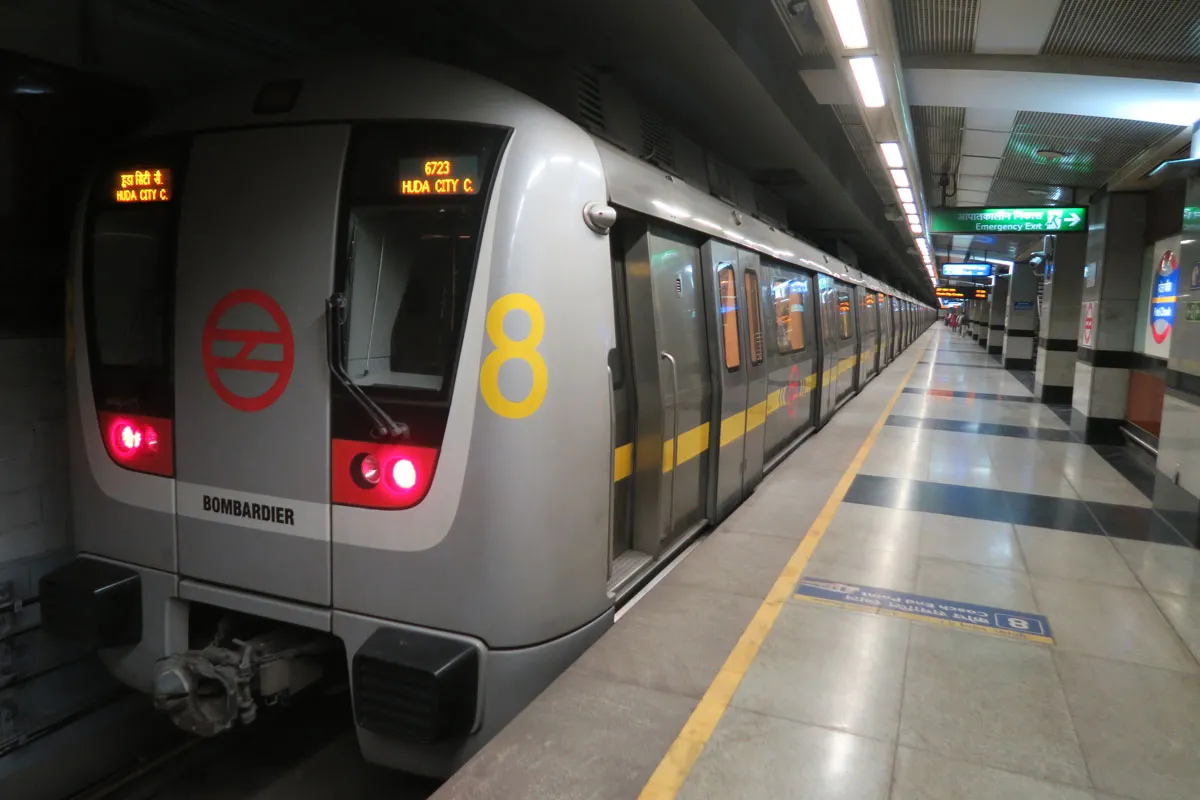
Meanwhile, work on Delhi Metro Phase IV, covering 111 km and 83 stations, is progressing, with over 80% civil construction completed on priority corridors. Delhi Metro currently operates nearly 395 km across 12 lines, carrying about 65 lakh passengers daily.

News source: CNBC TV18

The Union Cabinet, chaired by Prime Minister Narendra Modi, has approved Delhi Metro’s Phase 5A expansion project at a total cost of Rs 120.14 billion, paving the way for three new corridors spanning over 16 km and adding 13 stations to the capital’s rapid transit network.Announcing the decision, Ashwini Vaishnaw, Minister of Railways, Information & Broadcasting and Electronics & IT, said the expansion will take the Delhi Metro network beyond the 400-km mark, further strengthening urban mobility in the national capital. The project is expected to be completed within three years.As per the official release, the project cost will be shared by the Government of India, the Government of Delhi and international funding agencies. The approved Phase 5A includes three corridors: R.K. Ashram Marg to Indraprastha (9.913 km), Aerocity to Indira Gandhi Domestic Airport Terminal 1 (2.263 km), and Tughlakabad to Kalindi Kunj (3.9 km). Of the 13 stations planned, 10 will be underground and three elevated.A major highlight of the expansion is enhanced connectivity to the Central Vista area. The R.K. Ashram Marg–Indraprastha corridor will provide direct metro access to all Kartavya Bhawans, benefiting an estimated 60,000 government employees and nearly two lakh daily visitors. The corridor is also expected to decongest Connaught Place by diverting commuter traffic.The Aerocity–IGD Terminal 1 and Tughlakabad–Kalindi Kunj stretches will strengthen links between South Delhi and the domestic airport, improving access via areas such as Saket, Chhatarpur and Kalindi Kunj. The R.K. Ashram Marg–Indraprastha line will further improve connectivity between West, North, Old and Central Delhi.Construction will use tunnel boring machines and earth removal methods to minimise traffic disruption. The new corridors are expected to ease road congestion, reduce pollution and cut fossil fuel dependence.Meanwhile, work on Delhi Metro Phase IV, covering 111 km and 83 stations, is progressing, with over 80% civil construction completed on priority corridors. Delhi Metro currently operates nearly 395 km across 12 lines, carrying about 65 lakh passengers daily.News source: CNBC TV18

Next Story
Infrastructure Urban

Rosatom Delivers Nuclear Fuel for Kudankulam Unit 3

Rosatom has recently supplied nuclear fuel for the initial loading of the VVER-1000 reactor core at Unit 3 of the Kudankulam Nuclear Power Plant, marking a key milestone in the second stage of the Russian-designed nuclear power project in southern India.The fuel was supplied by Rosatom’s Nuclear Fuel Division, managed by TVEL, and manufactured at the Novosibirsk Chemical Concentrates Plant. The delivery includes the initial reactor load along with reserve fuel assemblies and is part of a long-term contract covering the entire operational life of Units 3 and 4.Building on operational experien..

Next Story
Infrastructure Transport

CBL International Enables First LNG Bunkering at Xiaomo Port

CBL International recently completed the first-ever LNG bunkering operation at Xiaomo Port, supplying liquefied natural gas to vessels operated by BYD in support of its maritime decarbonisation strategy. The operation was facilitated through a physical supplier in collaboration with China National Offshore Oil Corporation (CNOOC), which supported the port’s inaugural LNG bunkering activity. The milestone represents a strategic expansion of CBL International's sustainable fuel offerings beyond biofuels, while also diversifying revenue streams. As global shipping intensifies efforts to cut em..

Next Story
Infrastructure Urban

Aimtron, Aurassure Partner for IoT Weather Systems

Aimtron Electronics has recently entered into an OEM manufacturing engagement with Aurassure to produce new-age, IoT-enabled weather and environmental monitoring systems in India. The collaboration supports the growing demand for real-time environmental intelligence across urban, industrial and infrastructure applications. The engagement comes as global focus on climate-risk management and data-driven planning accelerates. The global weather monitoring systems market, valued at around USD 2.1 billion in 2024, is projected to reach nearly USD 4.8 billion by 2034, driven by the rapid adoption o..

Advertisement

Subscribe to Our Newsletter

Get daily newsletters around different themes from Construction world.

STAY CONNECTED

Advertisement

Advertisement

Advertisement

Advertisement

Open In App