CMRL to Open 15.8 km Chennai Metro Phase II in February
RAILWAYS & METRO RAIL

CMRL to Open 15.8 km Chennai Metro Phase II in February

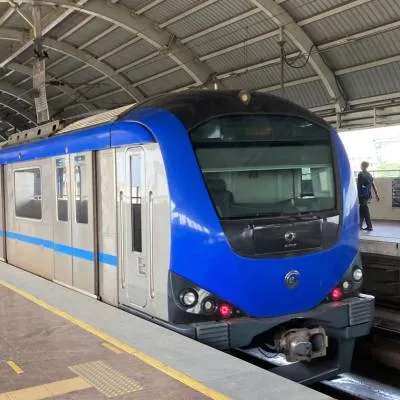
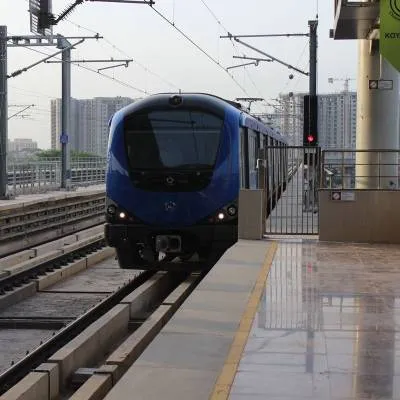
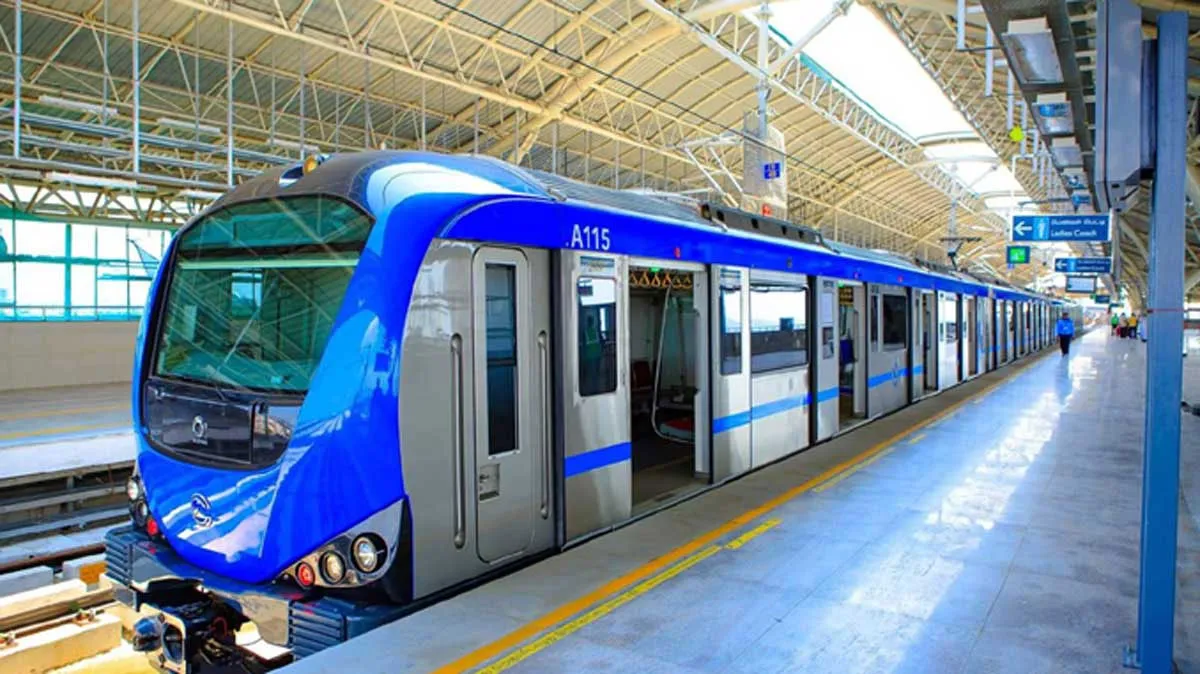
Chennai Metro Rail (CMRL) has revised its rollout strategy for Phase II of the Chennai Metro, deciding to commission the entire 15.8-km stretch between Poonamallee Bypass and Vadapalani directly in February. The move marks a shift from the earlier plan of launching services on a shorter section first and extending them in stages.

Initially, CMRL had proposed to start operations on the Poonamallee Bypass–Porur Junction stretch by the end of January, with services extended to Vadapalani in February. However, officials said the revised approach would allow commuters to benefit from better connectivity from the outset, particularly through linkage with the existing Phase I network at Vadapalani.

Preparatory work for the launch has now entered a critical phase. The first round of inspections by the Commissioner of Metro Railway Safety (CMRS), which focused on rolling stock and train systems, has already been completed. The final CMRS inspection, covering station facilities, passenger amenities, and overall operational readiness, is expected to be conducted in the last week of January.

On the infrastructure side, the most significant pending task is the laying of nearly 2 km of track between Porur Junction and Vadapalani, comprising around 1 km each on the up and down lines. CMRL is targeting completion of the down line by January 9 to enable the commencement of trial runs on the section.

To meet the tight timeline, CMRL has ramped up on-ground execution by deploying around 600 workers to expedite track-laying activities. Officials said the coming days will be crucial in determining whether trial operations can begin as scheduled and whether the corridor can be readied in time for the planned February commissioning of Phase II services.

News source: Metro Rail News

Chennai Metro Rail (CMRL) has revised its rollout strategy for Phase II of the Chennai Metro, deciding to commission the entire 15.8-km stretch between Poonamallee Bypass and Vadapalani directly in February. The move marks a shift from the earlier plan of launching services on a shorter section first and extending them in stages.Initially, CMRL had proposed to start operations on the Poonamallee Bypass–Porur Junction stretch by the end of January, with services extended to Vadapalani in February. However, officials said the revised approach would allow commuters to benefit from better connectivity from the outset, particularly through linkage with the existing Phase I network at Vadapalani.Preparatory work for the launch has now entered a critical phase. The first round of inspections by the Commissioner of Metro Railway Safety (CMRS), which focused on rolling stock and train systems, has already been completed. The final CMRS inspection, covering station facilities, passenger amenities, and overall operational readiness, is expected to be conducted in the last week of January.On the infrastructure side, the most significant pending task is the laying of nearly 2 km of track between Porur Junction and Vadapalani, comprising around 1 km each on the up and down lines. CMRL is targeting completion of the down line by January 9 to enable the commencement of trial runs on the section.To meet the tight timeline, CMRL has ramped up on-ground execution by deploying around 600 workers to expedite track-laying activities. Officials said the coming days will be crucial in determining whether trial operations can begin as scheduled and whether the corridor can be readied in time for the planned February commissioning of Phase II services.News source: Metro Rail News

Next Story
Infrastructure Transport

India Becomes First to Produce Bio-Bitumen for Roads

India has become the first country in the world to commercially produce bio-bitumen for use in road construction, according to Road, Transport and Highways Minister Nitin Gadkari. Bitumen, a black and viscous hydrocarbon derived from crude oil, is a key binding material in road building, and the bio-based alternative is expected to significantly improve the sector’s environmental footprint.Addressing the CSIR Technology Transfer Ceremony in New Delhi, Mr Gadkari congratulated Council of Scientific and Industrial Research on achieving the milestone, noting that the initiative would help curb ..

Next Story
Infrastructure Urban

HILT Policy Seen Boosting Telangana Revenue Sharply

The Hyderabad Industrial Land Transformation (HILT) Policy is expected to generate around Rs 1.08 billion in revenue for the Telangana state exchequer, according to Deputy Chief Minister Bhatti Vikramarka Mallu. Speaking in the Telangana Legislative Assembly, he said the policy would be implemented within a six-month timeframe in a transparent manner, with uniform rules applicable to all stakeholders. Mr Vikramarka noted that without the HILT Policy, the state would have earned only about Rs 1.2 million per acre. Under the new framework, however, revenue is projected to rise sharply to Rs 70 ..

Next Story
Infrastructure Urban

India Post, MoRD Tie Up to Boost Rural Inclusion

The Department of Posts and the Ministry of Rural Development have signed a Memorandum of Understanding to accelerate rural transformation and expand financial, digital and logistics services for Self-Help Groups (SHGs) and rural households across India. The agreement was signed in the presence of Union Minister of Communications and Development of North Eastern Region Jyotiraditya M. Scindia and Union Minister of Rural Development and Agriculture and Farmers’ Welfare Shivraj Singh Chouhan. The collaboration aligns with the government’s “Dak Sewa, Jan Sewa” vision and seeks to repositi..

Advertisement

Subscribe to Our Newsletter

Get daily newsletters around different themes from Construction world.

STAY CONNECTED

Advertisement

Advertisement

Advertisement

Advertisement

Open In App