+
Delhi Metro Stations Get Glam for G20 Summit
RAILWAYS & METRO RAIL

Delhi Metro Stations Get Glam for G20 Summit

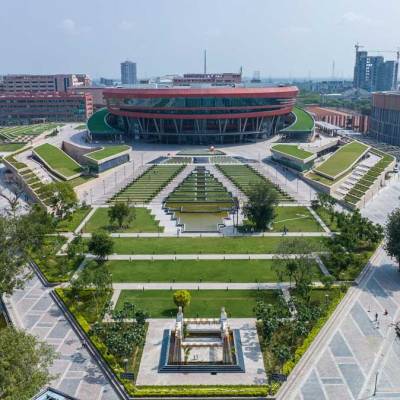
In anticipation of the upcoming G20 Summit in New Delhi, the Delhi Metro Rail Corporation (DMRC) is embarking on an ambitious project to transform major metro stations into aesthetic showcases. The DMRC is adorning prominent stations with the G20 logo and theme, creating a visually appealing atmosphere for both locals and visitors. Notably, the Supreme Court Metro Station, situated near the summit venue, boasts a sophisticated pedestrian plaza, upgraded seating, improved lighting facilities, and meticulously landscaped surroundings. Other significant stations receiving a facelift include Mandi House, Laxmi Nagar, Preet Vihar, Akshardham, Rajiv Chowk, and Central Secretariat.

The DMRC spokesperson highlighted the extensive efforts being undertaken to elevate the entire Delhi metro system before the G20 Summit. The Supreme Court station, for instance, is adorned with G20-inspired artworks, while the pillars of the Airport Express Line are adorned with depictions of India's rich flora and fauna. Beyond physical enhancements, the G20 summit's influence is being extended through diverse channels like social media, print media, calendars, and websites to maximize its impact and outreach.

In anticipation of the upcoming G20 Summit in New Delhi, the Delhi Metro Rail Corporation (DMRC) is embarking on an ambitious project to transform major metro stations into aesthetic showcases. The DMRC is adorning prominent stations with the G20 logo and theme, creating a visually appealing atmosphere for both locals and visitors. Notably, the Supreme Court Metro Station, situated near the summit venue, boasts a sophisticated pedestrian plaza, upgraded seating, improved lighting facilities, and meticulously landscaped surroundings. Other significant stations receiving a facelift include Mandi House, Laxmi Nagar, Preet Vihar, Akshardham, Rajiv Chowk, and Central Secretariat. The DMRC spokesperson highlighted the extensive efforts being undertaken to elevate the entire Delhi metro system before the G20 Summit. The Supreme Court station, for instance, is adorned with G20-inspired artworks, while the pillars of the Airport Express Line are adorned with depictions of India's rich flora and fauna. Beyond physical enhancements, the G20 summit's influence is being extended through diverse channels like social media, print media, calendars, and websites to maximize its impact and outreach.

Next Story
Infrastructure Urban

Implementation Status of Jal Jeevan Mission

Since August 2019 the Government has implemented Jal Jeevan Mission to provide assured potable water through household tap connections in rural India. At the start of the mission only 32.3 million (mn) rural households, representing 16.7 per cent, were reported to have tap water connections. States and union territories have reported that 125.8 mn additional rural households have since been provided with tap connections. As a result, of about 193.6 mn rural households roughly 158.2 mn, or 81.71 per cent, are reported to have tap water supply at home.\n\nThe State, district and village level st..

Next Story
Infrastructure Urban

Jal Jeevan Mission Reaches Eighty One Per Cent Rural Coverage

The Government reported substantial progress under the Jal Jeevan Mission, launched in August 2019 to provide tap water to every rural household. At launch only 32.3 million (mn) rural households had tap connections and states and Union territories reported provision of 125.8 mn additional households by March 2026. Consequently, out of about 193.6 mn rural households around 158.2 mn, or 81.71 per cent, are reported to have tap water at home. The Finance Minister announced extension of the mission until 2028 in the 2025-26 budget speech. The Swachh Bharat Mission Grameen, launched in October 20..

Next Story
Infrastructure Urban

Empowering Local Governance for Sustainable Rural Water Supply

The Ministry of Jal Shakti has aligned the Jal Jeevan Mission (JJM) with the 73rd Amendment to strengthen village level planning and community ownership of water supply. Gram Panchayats, village water and sanitation committees and Pani Samitis are to plan, implement, manage and maintain piped water systems, with gram sabha processes formalising handover and oversight. Implementation support agencies including non government organisations, community based organisations and self help groups have been empanelled to train local committees and promote women participation. Under JJM, the department ..

Advertisement

Subscribe to Our Newsletter

Get daily newsletters around different themes from Construction world.

STAY CONNECTED

Advertisement

Advertisement

Advertisement