+
Delhi Metro Switches Copper To Aluminium To Curb Theft
RAILWAYS & METRO RAIL

Delhi Metro Switches Copper To Aluminium To Curb Theft

Delhi Metro Rail Corporation will replace 33-kilovolt copper cables with aluminium across 175 kilometres of its network to reduce theft and improve service reliability. The project is estimated at Rs 325.9 million (mn) and is expected to be completed over 18 months.

The corporation plans to remove existing copper cables and install aluminium wiring in a trefoil formation along elevated viaducts. The move follows a sharp rise in thefts that exploit copper's high resale value in scrap markets. Officials have concluded that aluminium has a significantly lower scrap value and will therefore be less attractive to thieves.

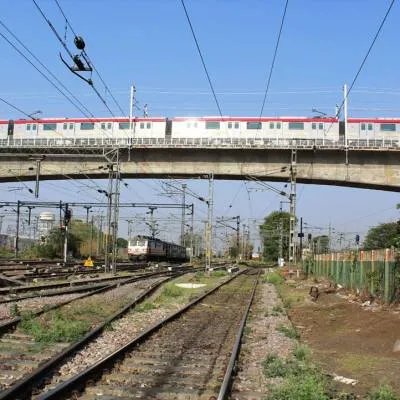
The overhaul will focus on the most theft-prone and operationally sensitive stretches, including sections near the Yamuna Bank line along the riverbed, the Airport Express Line, and parts of the Pink Line near Seelampur and Welcome stations. As per the DMRC, in 2025 there were 89 reported cases of cable theft, of which 32 involved signalling cables and 22 related to electrical wiring. One of the most severe incidents occurred in March last year between Seelampur and Welcome when signalling cables were stolen and train movements were severely impacted.

Trains were forced to slow to 25 kmph between Mansarovar Park and Seelampur on one occasion, creating cascading delays across the Red Line and affecting commuters throughout the day. More recently, on January 11 a cut of nearly 800 metres of signalling cable on the Airport Express Line between Dhaula Kuan and Shivaji Stadium led to restricted speeds on the up line towards New Delhi. The cut cable pieces were later found near a metro pillar during inspection and repairs are complicated by the fact that trains run at intervals of three to five minutes.

The corporation has previously implemented preventive measures such as cementing cables in vulnerable areas, installing anti-theft clamps, using concertina coils, covering cable trays, and exploring drone and CCTV surveillance, but thefts continued. By switching to aluminium the DMRC aims to deter theft and reduce operational disruptions, sources said. The replacement programme will be rolled out in phases, prioritising stretches with recurring incidents to minimise disruption during implementation.

Delhi Metro Rail Corporation will replace 33-kilovolt copper cables with aluminium across 175 kilometres of its network to reduce theft and improve service reliability. The project is estimated at Rs 325.9 million (mn) and is expected to be completed over 18 months. The corporation plans to remove existing copper cables and install aluminium wiring in a trefoil formation along elevated viaducts. The move follows a sharp rise in thefts that exploit copper's high resale value in scrap markets. Officials have concluded that aluminium has a significantly lower scrap value and will therefore be less attractive to thieves. The overhaul will focus on the most theft-prone and operationally sensitive stretches, including sections near the Yamuna Bank line along the riverbed, the Airport Express Line, and parts of the Pink Line near Seelampur and Welcome stations. As per the DMRC, in 2025 there were 89 reported cases of cable theft, of which 32 involved signalling cables and 22 related to electrical wiring. One of the most severe incidents occurred in March last year between Seelampur and Welcome when signalling cables were stolen and train movements were severely impacted. Trains were forced to slow to 25 kmph between Mansarovar Park and Seelampur on one occasion, creating cascading delays across the Red Line and affecting commuters throughout the day. More recently, on January 11 a cut of nearly 800 metres of signalling cable on the Airport Express Line between Dhaula Kuan and Shivaji Stadium led to restricted speeds on the up line towards New Delhi. The cut cable pieces were later found near a metro pillar during inspection and repairs are complicated by the fact that trains run at intervals of three to five minutes. The corporation has previously implemented preventive measures such as cementing cables in vulnerable areas, installing anti-theft clamps, using concertina coils, covering cable trays, and exploring drone and CCTV surveillance, but thefts continued. By switching to aluminium the DMRC aims to deter theft and reduce operational disruptions, sources said. The replacement programme will be rolled out in phases, prioritising stretches with recurring incidents to minimise disruption during implementation.

Next Story
Infrastructure Transport

Guwahati Airport New Terminal Set To Begin Operations

The new terminal at Lokpriya Gopinath Bardoloi International Airport in Guwahati is scheduled to begin operations on February 22, state officials said. The announcement was made by the Chief Minister of Assam, who indicated that the facility will open to passengers on that date. The terminal forms part of a broader effort to upgrade aviation infrastructure in the region. The facility is expected to offer enhanced passenger amenities and streamlined movement across terminals. The integrated Terminal-2 building was inaugurated by the Prime Minister on 20 December last year and was constructed at..

Next Story
Infrastructure Urban

India–France Centre of Excellence in Aeronautics Announced for Kanpur

The Prime Minister announced the establishment of a National Centre of Excellence (NCoE) for skilling in aeronautics and defence at the National Skill Training Institute (NSTI), Kanpur, in collaboration with the Government of the French Republic under the Pradhan Mantri Skilling and Employability Transformation through Upgraded ITIs (PM-SETU) scheme of the Ministry of Skill Development and Entrepreneurship (MSDE). The announcement was made during a joint press statement with the President of France at the inauguration of the India–France Year of Innovation. The centre will focus on advanced ..

Next Story
Infrastructure Urban

Embraer And Mahindra Deepen Partnership For C-390 MRO In India

Brazilian aerospace manufacturer Embraer and Indian conglomerate Mahindra Group have agreed to deepen cooperation to develop Maintenance, Repair and Overhaul capabilities for the C-390 Millennium aircraft in India, contingent on the Indian Air Force selecting the type for its Medium Transport Aircraft programme. The initiative is intended to align with the government’s Make in India drive and to strengthen indigenous defence manufacturing capacities. The partners envisage the proposed facility supporting both military and civil operators and creating significant employment across manufacturi..

Advertisement

Subscribe to Our Newsletter

Get daily newsletters around different themes from Construction world.

STAY CONNECTED

Advertisement

Advertisement

Advertisement

Open In App