DMRC and BEL partner for indigenous train control
RAILWAYS & METRO RAIL

DMRC and BEL partner for indigenous train control

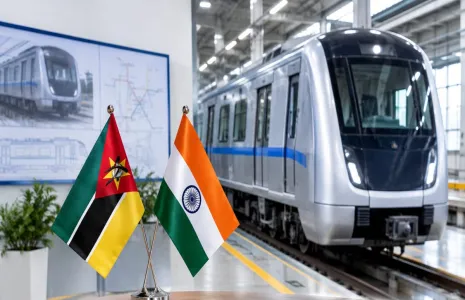
The Delhi Metro Rail Corporation (DMRC) and Bharat Electronics Limited (BEL) have inked a Memorandum of Understanding (MOU) to jointly develop an indigenous Communication-Based Train Control (i-CBTC) system. This collaboration aligns with India's 'Make in India' initiative.

According to DMRC officials, the i-CBTC project represents a significant advancement for the Delhi Metro. By embracing this cutting-edge Communication-Based Train Control System (CBTC), which is widely adopted by leading metros worldwide, DMRC aims to optimise train operations, enhance service frequency, and improve passenger services, all while efficiently utilising rail infrastructure, explained Anuj Dayal, the DMRC spokesperson.

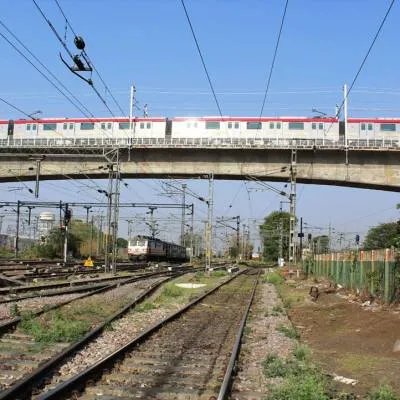
Dayal further emphasised DMRC's commitment to innovation, highlighting the recent deployment of the indigenous Automatic Train Supervision System (i-ATS) on the Red Line, specifically tailored to Indian conditions. The development of i-CBTC marks a substantial step toward self-reliance in Metro Signalling & Train Control Systems, reducing dependence on foreign suppliers and fostering indigenous development and standardization.

This collaborative effort is driven by a dedicated team of 50 engineers from DMRC and BEL, who possess expertise in signalling technology, software and hardware development, safety processes, RAMS (Reliability, Availability, Maintainability, and Safety), testing, and more. The team has already commenced work at DMRC's i-CBTC lab and is on track to develop and deploy the Prototype i-CBTC Product on a designated test track within the DMRC network in the near future.


The Delhi Metro Rail Corporation (DMRC) and Bharat Electronics Limited (BEL) have inked a Memorandum of Understanding (MOU) to jointly develop an indigenous Communication-Based Train Control (i-CBTC) system. This collaboration aligns with India's 'Make in India' initiative.According to DMRC officials, the i-CBTC project represents a significant advancement for the Delhi Metro. By embracing this cutting-edge Communication-Based Train Control System (CBTC), which is widely adopted by leading metros worldwide, DMRC aims to optimise train operations, enhance service frequency, and improve passenger services, all while efficiently utilising rail infrastructure, explained Anuj Dayal, the DMRC spokesperson.Dayal further emphasised DMRC's commitment to innovation, highlighting the recent deployment of the indigenous Automatic Train Supervision System (i-ATS) on the Red Line, specifically tailored to Indian conditions. The development of i-CBTC marks a substantial step toward self-reliance in Metro Signalling & Train Control Systems, reducing dependence on foreign suppliers and fostering indigenous development and standardization.This collaborative effort is driven by a dedicated team of 50 engineers from DMRC and BEL, who possess expertise in signalling technology, software and hardware development, safety processes, RAMS (Reliability, Availability, Maintainability, and Safety), testing, and more. The team has already commenced work at DMRC's i-CBTC lab and is on track to develop and deploy the Prototype i-CBTC Product on a designated test track within the DMRC network in the near future.

Next Story
Infrastructure Transport

Shivraj Chouhan Launches PMGSY IV and Announces Package for Madhya Pradesh

Union Minister Shivraj Singh Chouhan launched the Pradhan Mantri Gram Sadak Yojana (PMGSY) IV at Bhairunda in Sehore district during the 25 year celebrations and announced a development package for Madhya Pradesh. The programme was organised by the Union Ministry of Rural Development and attended by Chief Minister Dr Mohan Yadav, ministers of state, state ministers, legislators and senior officials from the centre and the state. The minister said the central government under the Prime Minister is committed to strengthening rural livelihoods through improved connectivity, housing and women's in..

Next Story
Infrastructure Urban

DMR Engineering Reports FY 25-26 Financial Results

DMR Engineering reported its half year results for the financial year ended 31 March 2026 and published full year figures on a standalone basis. Standalone revenue from operations decreased by 2.01 per cent year-over-year to Rs 102.58 million (mn), while profit after tax declined by 43.94 per cent to nine point five six mn, leaving a profit after tax margin of nine point zero five per cent. Earnings per share stood at Rs zero point nine two, a fall of 44.71 per cent year-over-year. The company attributed part of the decline to one-off provisioning for bad debts and additional financing charges..

Next Story
Infrastructure Urban

Atlanta Electricals Posts Strong FY26 Growth And Debt Free Finish

Atlanta Electricals reported audited consolidated results for the quarter and year ended 31 March 2026. The company recorded significant year-on-year revenue growth driven by capacity ramp-up at new facilities and higher utilisation at legacy plants. The announcement summarised operating improvements and strategic milestones achieved during the year. For Q4 the company reported revenue of Rs 7.48 bn and for FY26 revenue of Rs 18.52 bn, representing robust growth versus the prior year. EBITDA in Q4 was Rs. 1.49 bn and Rs. 3.44 bn for the full year, with margins expanding to 20 per cent in the q..

Advertisement

Subscribe to Our Newsletter

Get daily newsletters around different themes from Construction world.

STAY CONNECTED

Advertisement

Advertisement

Advertisement