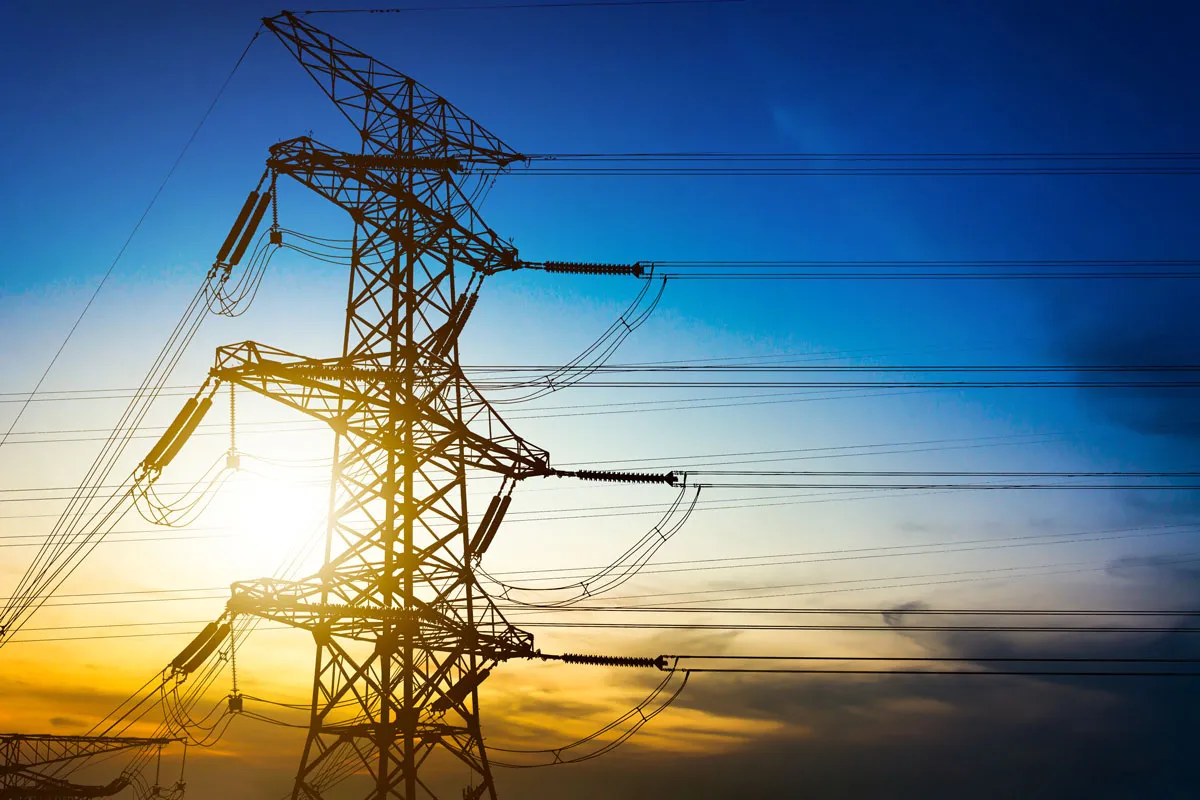
Draft National Electricity Policy 2026 Unveiled by Power Ministry
RAILWAYS & METRO RAIL

Draft National Electricity Policy 2026 Unveiled by Power Ministry

The Ministry of Power has announced the release of the Draft National Electricity Policy (NEP) 2026, outlining a comprehensive roadmap to transform India’s power sector in line with the vision of Viksit Bharat @2047. Once finalised, the policy will replace the existing National Electricity Policy notified in 2005.
The first National Electricity Policy addressed critical issues such as power shortages, limited electricity access and inadequate infrastructure. Since then, the sector has undergone significant transformation, with installed generation capacity increasing nearly fourfold, universal electrification achieved by March 2021, and the formation of a unified national grid in 2013. Per capita electricity consumption reached about 1,460 kWh in 2024–25, supported by the growth of power markets and exchanges that have improved procurement efficiency.
Despite this progress, structural challenges persist, particularly in power distribution, where accumulated losses, rising debt and non–cost-reflective tariffs continue to impact sector health. High cross-subsidisation has also led to elevated industrial tariffs, affecting the global competitiveness of Indian industry.
Against this backdrop, the Draft NEP 2026 sets ambitious targets, including raising per capita electricity consumption to 2,000 kWh by 2030 and over 4,000 kWh by 2047. The policy aligns with India’s climate commitments to reduce emissions intensity by 45 per cent from 2005 levels by 2030 and achieve net-zero emissions by 2070, driving a shift towards low-carbon energy pathways.
Key interventions proposed under the Draft NEP 2026 include resource adequacy planning by DISCOMs and State Load Dispatch Centres, reforms to improve financial viability through indexed tariff revisions and reduced cross-subsidisation, and incentives to enhance the competitiveness of manufacturing, railways and metro systems. The policy also emphasises accelerated renewable energy deployment, market-based storage solutions, integration of storage with thermal plants, expansion of nuclear capacity to 100 GW by 2047, and faster development of storage-based hydro projects.
Additional measures focus on strengthening power markets, addressing transmission right-of-way challenges, modernising distribution networks, improving grid operations, enhancing cybersecurity, enabling data sharing, and promoting indigenous technology and skill development.
With its wide-ranging provisions, the Draft National Electricity Policy 2026 presents a forward-looking blueprint for a reliable, financially sustainable and environmentally responsible power sector to support India’s long-term development goals.

The Ministry of Power has announced the release of the Draft National Electricity Policy (NEP) 2026, outlining a comprehensive roadmap to transform India’s power sector in line with the vision of Viksit Bharat @2047. Once finalised, the policy will replace the existing National Electricity Policy notified in 2005.The first National Electricity Policy addressed critical issues such as power shortages, limited electricity access and inadequate infrastructure. Since then, the sector has undergone significant transformation, with installed generation capacity increasing nearly fourfold, universal electrification achieved by March 2021, and the formation of a unified national grid in 2013. Per capita electricity consumption reached about 1,460 kWh in 2024–25, supported by the growth of power markets and exchanges that have improved procurement efficiency.Despite this progress, structural challenges persist, particularly in power distribution, where accumulated losses, rising debt and non–cost-reflective tariffs continue to impact sector health. High cross-subsidisation has also led to elevated industrial tariffs, affecting the global competitiveness of Indian industry.Against this backdrop, the Draft NEP 2026 sets ambitious targets, including raising per capita electricity consumption to 2,000 kWh by 2030 and over 4,000 kWh by 2047. The policy aligns with India’s climate commitments to reduce emissions intensity by 45 per cent from 2005 levels by 2030 and achieve net-zero emissions by 2070, driving a shift towards low-carbon energy pathways.Key interventions proposed under the Draft NEP 2026 include resource adequacy planning by DISCOMs and State Load Dispatch Centres, reforms to improve financial viability through indexed tariff revisions and reduced cross-subsidisation, and incentives to enhance the competitiveness of manufacturing, railways and metro systems. The policy also emphasises accelerated renewable energy deployment, market-based storage solutions, integration of storage with thermal plants, expansion of nuclear capacity to 100 GW by 2047, and faster development of storage-based hydro projects.Additional measures focus on strengthening power markets, addressing transmission right-of-way challenges, modernising distribution networks, improving grid operations, enhancing cybersecurity, enabling data sharing, and promoting indigenous technology and skill development.With its wide-ranging provisions, the Draft National Electricity Policy 2026 presents a forward-looking blueprint for a reliable, financially sustainable and environmentally responsible power sector to support India’s long-term development goals.

Next Story
Real Estate

A Paradigm Shift

The Indian real-estate and construction sector, which employs a significant number of organised and unorganised workers in the country, has embarked on a paradigm shift in its regulatory framework from an employment law perspective. With the four Labour Codes – the Code on Wages, 2019 (Wage Code); the Industrial Relations Code, 2020 (IR Code); the Code on Social Security, 2020 (SS Code) and the Occupational Safety, Health and Working Conditions Code, 2020 (OSH Code) – coming into effect in India from November 21, 2025, the industry is shifting away from a fragmented, contractor- driven com..

Next Story
Technology

We offer end-to-end traceability at scale

mjunction has evolved from an e-auction pioneer into a multi-vertical digital commerce platform with deep expertise in complex steel and coal supply chains. Its end-to-end, AI-led architecture focuses on price discovery, traceability, compliance and scalability, enabling transparent procurement, efficient logistics and data-driven decision-making across geographies. Vinaya Varma, MD, shares more about the company in conversation with CW.From a technology standpoint, what are the core USPs of mjunction today that differentiate it in steel and coal supply chains?mjunction has evolved b..

Next Story
Infrastructure Urban

Henkel, Rotary Recycle PoP Ganesha Idols Under Project HARMONY

Henkel India, in partnership with the Rotary Club of Navi Mumbai – Joy of Giving and with support from the Navi Mumbai Municipal Corporation (NMMC), has advanced circular sustainability through Project HARMONY by recycling Plaster of Paris (PoP) Ganesha idols into community learning assets. The initiative highlights an integrated approach to environmental restoration and social impact.As part of the project, materials collected after Ganesh Visarjan 2025 at Nerul were responsibly diverted from land and water bodies and processed at an authorised recycling facility, with on-ground execution s..

Advertisement

Subscribe to Our Newsletter

Get daily newsletters around different themes from Construction world.

STAY CONNECTED

Advertisement

Advertisement

Advertisement

Advertisement

Open In App