Indian Railways Boosts Non-AC Travel, Safety and Services
RAILWAYS & METRO RAIL

Indian Railways Boosts Non-AC Travel, Safety and Services

Indian Railways is modernising its infrastructure and services with a sharper focus on everyday passengers, aiming to make train travel more convenient, comfortable, safe and affordable. Through sustained investment, operational reforms and technology adoption, the national transporter is prioritising common travellers while expanding affordable capacity across its network.

Indian Railways has recorded its highest-ever production of General and non-AC coaches fitted with modern, passenger-friendly facilities to meet rising demand at economical fares. These coaches improve comfort while significantly increasing carrying capacity, reinforcing the railways’ commitment to inclusive and accessible travel. Building on this momentum, the production plan for the ongoing financial year 2025–26 provides for 4,838 new LHB General and non-AC coaches, while 4,802 LHB coaches are targeted for 2026–27, aimed at strengthening the passenger fleet and enhancing safety and service quality.

To manage seasonal and festive rush, special train operations were scaled up sharply in 2025, with more than 43,000 special train trips operated. These included services for Maha Kumbh, Holi, summer travel and Chhath Puja, helping ease congestion and ensure smoother passenger movement during peak periods.

Station infrastructure is also being upgraded, with 76 stations identified for passenger holding areas following the success of the Yatri Suvidha Kendra at New Delhi Railway Station. The New Delhi facility, which can accommodate around 7,000 passengers, offers toilets, ticketing facilities, automatic ticket vending machines and free RO drinking water. Similar modular holding areas are planned nationwide ahead of the 2026 festival season.

Ticketing integrity has been strengthened through Aadhaar verification and advanced monitoring. Only Aadhaar-verified users are permitted to book Tatkal tickets, while technology-led checks have led to the deactivation or suspension of 57.3 million suspicious or inactive IRCTC user accounts.

Passenger safety remains a top priority, with 84 per cent of funds allocated for safety works already utilised under the 2025–26 Gross Budgetary Support. Consequential train accidents have fallen sharply from 135 in 2014–15 to 31 in 2024–25, and further to 11 in 2025–26 (up to November), compared with an average of 171 per year during 2004–14. The safety budget has nearly tripled to Rs 1.1647 trillion this year, while fog safety devices have increased from 90 in 2014 to 25,939 in 2025.

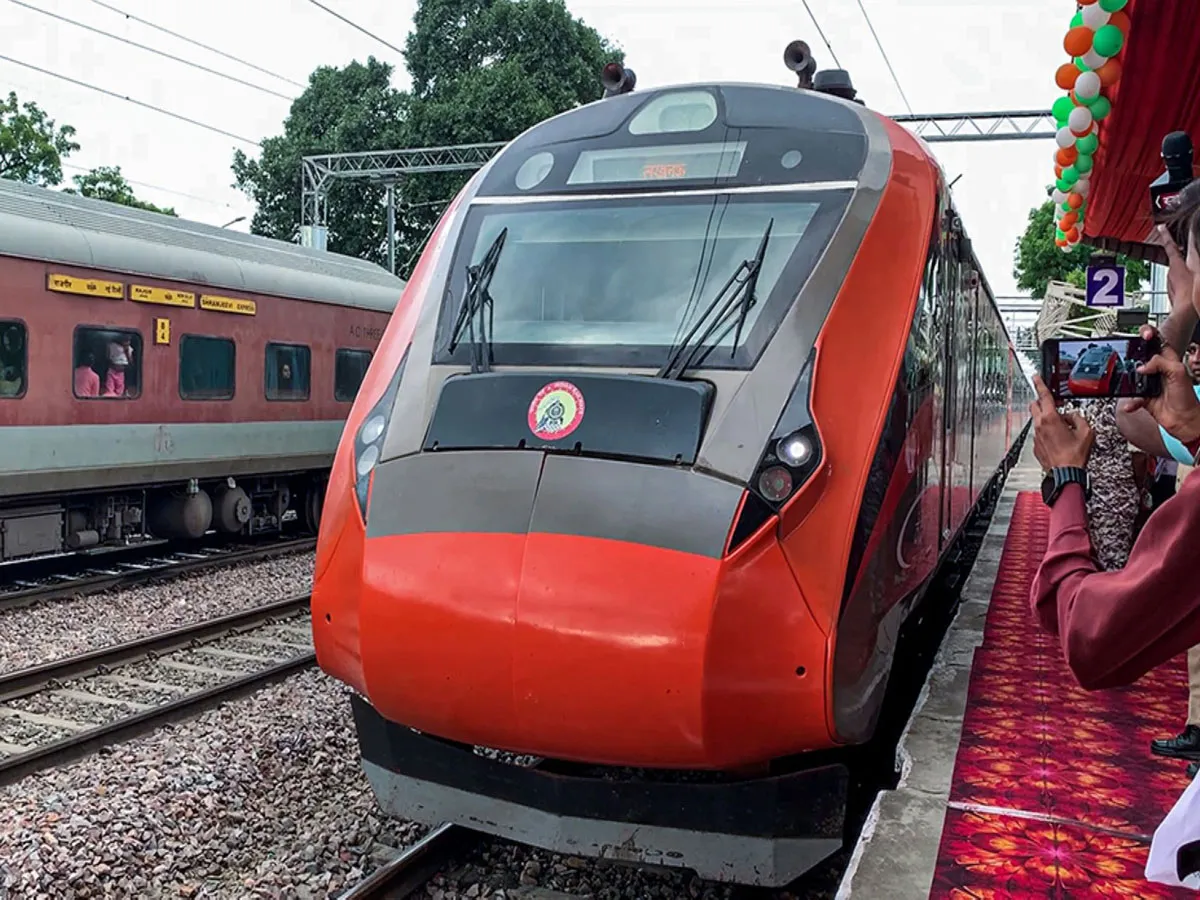
To improve affordable and regional connectivity, Indian Railways has expanded Amrit Bharat Express operations. These fully non-AC trains with Sleeper and General Class coaches offer quality travel at low fares, with 30 services now operational. In addition, Namo Bharat Rapid Rail services are running on the Bhuj–Ahmedabad and Jaynagar–Patna routes, strengthening high-frequency regional links.

By expanding non-AC capacity, running large-scale special trains, improving station facilities, tightening ticketing controls and investing heavily in safety, Indian Railways is steadily building a modern, inclusive and passenger-first transport system focused on the needs of everyday travellers.

Indian Railways is modernising its infrastructure and services with a sharper focus on everyday passengers, aiming to make train travel more convenient, comfortable, safe and affordable. Through sustained investment, operational reforms and technology adoption, the national transporter is prioritising common travellers while expanding affordable capacity across its network. Indian Railways has recorded its highest-ever production of General and non-AC coaches fitted with modern, passenger-friendly facilities to meet rising demand at economical fares. These coaches improve comfort while significantly increasing carrying capacity, reinforcing the railways’ commitment to inclusive and accessible travel. Building on this momentum, the production plan for the ongoing financial year 2025–26 provides for 4,838 new LHB General and non-AC coaches, while 4,802 LHB coaches are targeted for 2026–27, aimed at strengthening the passenger fleet and enhancing safety and service quality. To manage seasonal and festive rush, special train operations were scaled up sharply in 2025, with more than 43,000 special train trips operated. These included services for Maha Kumbh, Holi, summer travel and Chhath Puja, helping ease congestion and ensure smoother passenger movement during peak periods. Station infrastructure is also being upgraded, with 76 stations identified for passenger holding areas following the success of the Yatri Suvidha Kendra at New Delhi Railway Station. The New Delhi facility, which can accommodate around 7,000 passengers, offers toilets, ticketing facilities, automatic ticket vending machines and free RO drinking water. Similar modular holding areas are planned nationwide ahead of the 2026 festival season. Ticketing integrity has been strengthened through Aadhaar verification and advanced monitoring. Only Aadhaar-verified users are permitted to book Tatkal tickets, while technology-led checks have led to the deactivation or suspension of 57.3 million suspicious or inactive IRCTC user accounts. Passenger safety remains a top priority, with 84 per cent of funds allocated for safety works already utilised under the 2025–26 Gross Budgetary Support. Consequential train accidents have fallen sharply from 135 in 2014–15 to 31 in 2024–25, and further to 11 in 2025–26 (up to November), compared with an average of 171 per year during 2004–14. The safety budget has nearly tripled to Rs 1.1647 trillion this year, while fog safety devices have increased from 90 in 2014 to 25,939 in 2025. To improve affordable and regional connectivity, Indian Railways has expanded Amrit Bharat Express operations. These fully non-AC trains with Sleeper and General Class coaches offer quality travel at low fares, with 30 services now operational. In addition, Namo Bharat Rapid Rail services are running on the Bhuj–Ahmedabad and Jaynagar–Patna routes, strengthening high-frequency regional links. By expanding non-AC capacity, running large-scale special trains, improving station facilities, tightening ticketing controls and investing heavily in safety, Indian Railways is steadily building a modern, inclusive and passenger-first transport system focused on the needs of everyday travellers.

Next Story
Infrastructure Urban

Mount Invests Rs 250 Cr, Adds PUF & PEB Plants, 400+ Jobs

TUMKUR, Karnataka, January 8, 2025 - Mount Roofing & Structures Private Limited, one of India's  fastest-growing manufacturers in PUF and a leading solutions provider across Pre-Engineered Building  (PEB) and Polycarbonate sheets, simultaneously inaugurated its second fully automated continuous  Sandwich Panel manufacturing line and a new PEB manufacturing plant at its integrated campus in  Tumkur." The milestone expansion, part of a total investment of INR 250 crores, marks a significant  advancement in the company's commitment to engineered performance, manu..

Next Story
Infrastructure Urban

Titan Intech Strengthens UltraLED Push With Global LED Veteran

Titan Intech has announced the induction of global LED industry veteran Su Piow Ko to its Board of Directors, marking a strategic step in strengthening its UltraLED Displays roadmap and building globally competitive LED display solutions from India.The appointment aligns with Titan Intech’s ambition to position India as a hub for advanced, high-quality LED display manufacturing. With an increased focus on UltraLED Displays, the company aims to enhance technical governance, raise manufacturing standards and expand its presence across global markets.Su Piow Ko brings over three decades of inte..

Next Story
Infrastructure Urban

Dun & Bradstreet Flags New Growth Engines in India 2026 Outlook

Dun & Bradstreet has released its India 2026: D&B’s Perspective report, projecting a stable macroeconomic environment underpinned by fresh opportunities for productivity-led and inclusive growth. The report outlines how India’s next growth phase will be driven by digitised logistics, trusted data ecosystems, clean energy and rising city vitality.According to the outlook, India’s GDP growth is expected to reach around 6.6 per cent by FY2027, supported by resilient consumer demand and sustained public investment. Manufacturing is seen entering a new phase, moving beyond scale towar..

Advertisement

Subscribe to Our Newsletter

Get daily newsletters around different themes from Construction world.

STAY CONNECTED

Advertisement

Advertisement

Advertisement

Advertisement

Open In App