Indian Railways Shifts From Diesel to Green Engines
RAILWAYS & METRO RAIL

Indian Railways Shifts From Diesel to Green Engines

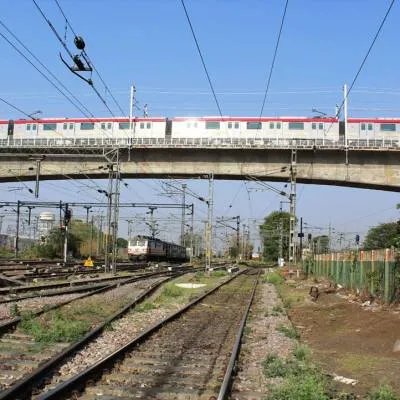
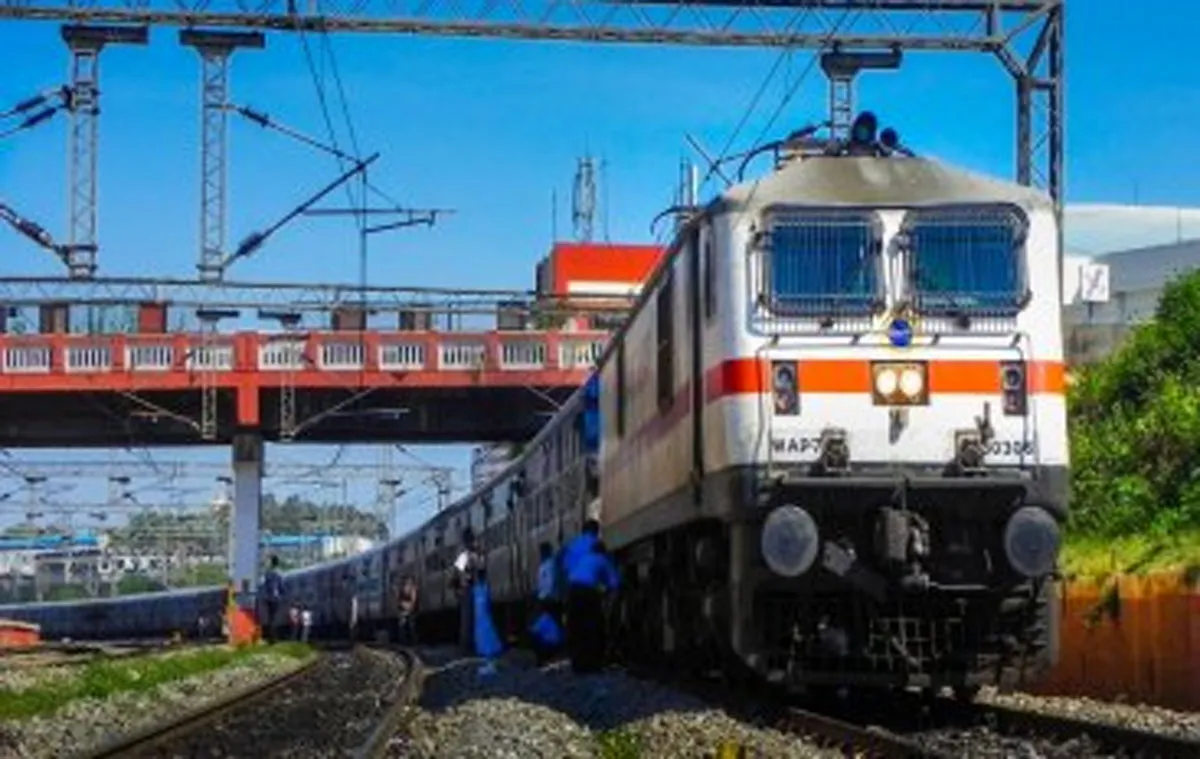
Indian Railways is accelerating the transition of its rail network away from diesel-powered locomotives by expanding the use of battery-powered engines and other green fuels. The move forms part of a broader strategy to reduce emissions, improve energy efficiency and lower dependence on fossil fuels, following the near-complete electrification of the national rail network.

Officials said the initial phase will prioritise replacing diesel locomotives used for yard operations, shunting services and last-mile freight movement, where electrification is either limited or inconsistent. Battery-powered traction systems are expected to play a central role in these segments, while conventional electric locomotives will continue to handle long-distance services on fully electrified routes.

Demonstration projects are already under way. Indian Railways has successfully retrofitted a 700-horsepower diesel locomotive with a lithium ferro phosphate battery system, demonstrating the feasibility of battery traction for operational use. In parallel, development work is progressing on higher-capacity propulsion platforms based on hydrogen fuel to support heavy-haul operations.

Railway Minister Ashwini Vaishnaw has highlighted trials of a long, high-power hydrogen-powered train set as a signal of the government’s intent to pursue multiple clean-energy solutions for rail transport. He said the diversified approach would allow the railways to deploy the most suitable technology across different operating conditions.

Pilot programmes for battery-operated and hydrogen-assisted engines began several years ago. The railways has also converted conventional passenger coaches into battery-cum-electric shunting engines capable of hauling both freight and passenger rakes at low speeds using battery power alone. These initiatives underline a gradual but steady shift towards cleaner traction technologies, while maintaining operational reliability across the rail network.

Indian Railways is accelerating the transition of its rail network away from diesel-powered locomotives by expanding the use of battery-powered engines and other green fuels. The move forms part of a broader strategy to reduce emissions, improve energy efficiency and lower dependence on fossil fuels, following the near-complete electrification of the national rail network. Officials said the initial phase will prioritise replacing diesel locomotives used for yard operations, shunting services and last-mile freight movement, where electrification is either limited or inconsistent. Battery-powered traction systems are expected to play a central role in these segments, while conventional electric locomotives will continue to handle long-distance services on fully electrified routes. Demonstration projects are already under way. Indian Railways has successfully retrofitted a 700-horsepower diesel locomotive with a lithium ferro phosphate battery system, demonstrating the feasibility of battery traction for operational use. In parallel, development work is progressing on higher-capacity propulsion platforms based on hydrogen fuel to support heavy-haul operations. Railway Minister Ashwini Vaishnaw has highlighted trials of a long, high-power hydrogen-powered train set as a signal of the government’s intent to pursue multiple clean-energy solutions for rail transport. He said the diversified approach would allow the railways to deploy the most suitable technology across different operating conditions. Pilot programmes for battery-operated and hydrogen-assisted engines began several years ago. The railways has also converted conventional passenger coaches into battery-cum-electric shunting engines capable of hauling both freight and passenger rakes at low speeds using battery power alone. These initiatives underline a gradual but steady shift towards cleaner traction technologies, while maintaining operational reliability across the rail network.

Next Story
Infrastructure Urban

IDE Technologies to Build 60 MLD Desalination Plant in Tamil Nadu

IDE Technologies, a global provider of water treatment solutions, has signed a contract with the State Industries Promotion Corporation of Tamil Nadu Limited (SIPCOT) for the design, construction, and operation of a 60 MLD seawater reverse osmosis (SWRO) desalination plant in Tamil Nadu. The project will be executed in partnership with Jindal Water Infrastructure Limited (JWIL) and Vishnusurya Projects and Infra (VPIL).The plant will be located at Mullakadu in Tuticorin and is aimed at strengthening regional water security while addressing rising water scarcity in the area. IDE secured the pro..

Next Story
Infrastructure Urban

RDI Fund to Back Industry Projects From January

As a follow-up to an announcement by Narendra Modi on 3 November 2025, funding under the Research, Development and Innovation (RDI) framework for industry-backed projects is set to begin by the end of this month, with the scheme having entered its execution phase and two public sector institutions ready to commence disbursements. The update emerged after a review of the RDI Fund scheme chaired by Jitendra Singh, Union Minister of State (Independent Charge) for Science and Technology and Earth Sciences, and Minister of State for the PMO, Department of Atomic Energy, Department of Space, Person..

Next Story
Infrastructure Urban

PM-SETU Industry Meet Advances ITI Reforms in Maharashtra

The Ministry of Skill Development and Entrepreneurship convened a major industry consultation in Pune as part of the rollout of the PM-SETU (Pradhan Mantri Skilling and Employability Transformation through Upgraded ITIs) scheme. The programme, hosted at the Yashwantrao Chavan Academy of Development Administration, was led by Debashree Mukherjee, Secretary, MSDE, Government of India, and Manisha Verma, Additional Chief Secretary, Skills, Employment, Entrepreneurship and Innovation Department, Government of Maharashtra. More than 40 companies from sectors such as automotive, construction, texti..

Advertisement

Subscribe to Our Newsletter

Get daily newsletters around different themes from Construction world.

STAY CONNECTED

Advertisement

Advertisement

Advertisement

Advertisement

Open In App